Iran Faces New Strikes Amidst Calls for Regime Change
New strikes target Iranian infrastructure amidst escalating conflict, while citizens face an information blackout and internal repression. Activist Nagin Shiraay discusses the complex sentiments of the Iranian people, their long-standing desire for regime change, and concerns over external intervention.

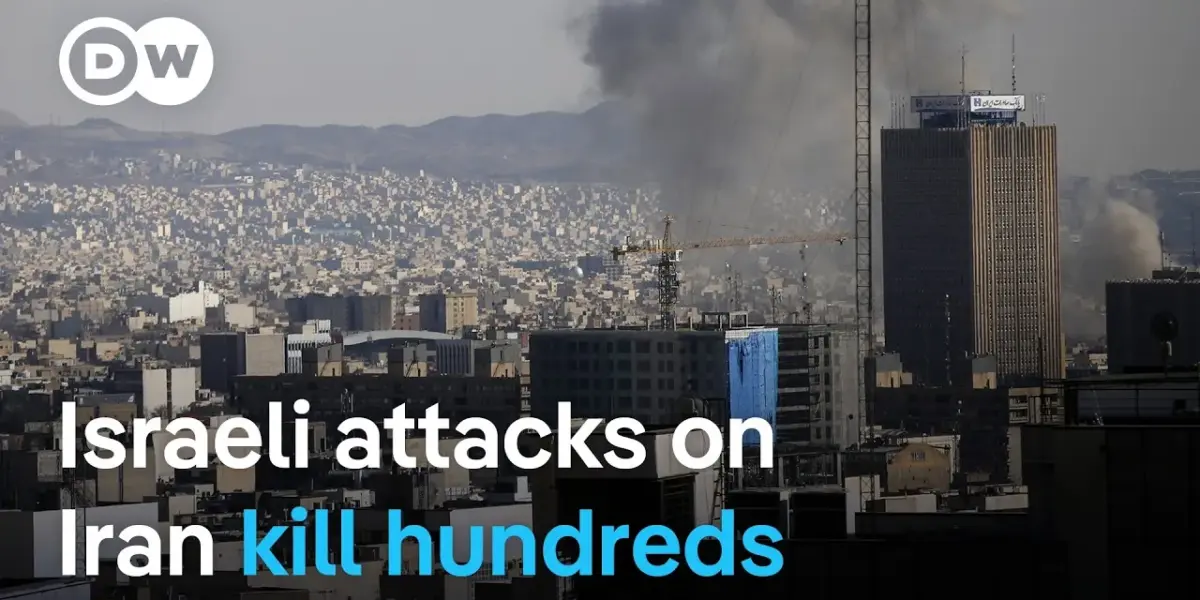
Iran Under Fire: New Strikes Erupt as Conflict Escalates
Iran’s military has announced a new wave of strikes targeting regime infrastructure in Tehran and Isfahan, amidst escalating conflict. Iranian President Massud Peshkan confirmed that several countries have initiated mediation efforts to end the ongoing hostilities, though details remain scarce. In parallel, former US President Donald Trump stated on social media that there would be no negotiation with Iran, instead calling for unconditional surrender, with a promise that the US and its allies would then assist in the country’s reconstruction.
Internal Dissent and Regime Crackdown Amidst Information Blackout
Seven days into the conflict, understanding the internal situation within Iran remains challenging due to a widespread internet blackout, making it difficult for citizens to voice their perspectives. State-controlled media has showcased images of regime supporters attending rallies following Friday prayers in Tehran, juxtaposed with continued reports of air strikes. Simultaneously, Iranian officials speaking on state television have issued stark warnings, threatening the execution of anyone expressing support for the Israeli and US attacks.
“There’s no surprise for us Iranians because this is not something that we’re not familiar with. We’ve been talking about this kind of atrocities that’s happening by the Iranian regime for the last 47 years.” – Nagin Shiraay, Iranian activist and entrepreneur.
The Complex Reality of Iranian Public Sentiment
Nagin Shiraay, an Iranian activist and founder of the Azadi Network, highlighted the long-standing atrocities committed by the Iranian regime over the past 47 years. She described the regime’s primary mandate as maintaining power at any cost, even if it means the complete destruction of the country and the loss of countless lives. This has been tragically demonstrated in incidents like those on January 8th and 9th, and through years of repression.
Shiraay addressed the seemingly paradoxical reaction of some Iranians cheering during attacks, explaining that this complexity stems from a deep-seated desire for regime change. For many, the incoming attacks are perceived as a potential catalyst for overthrowing a regime that has long oppressed its own people. While communication is difficult, Shiraay noted that Iranians are becoming more resilient, even resorting to landlines, despite the risks of surveillance, to express their views. Many are openly waiting for regime change, viewing the current situation as a message that the aim is indeed to dismantle the current government.
Shifting Sentiments and the Desire for Self-Determination
The initial enthusiasm seen on the first and second days of the conflict is reportedly waning. After seven days of continuous bombing, the reality of war and its potential for random casualties is setting in, leading to increased fear. Shiraay noted a shift in sentiment, moving away from the initial fatalistic declarations like, “I don’t even care if the bomb kills me at least they’re going to go.”
Regarding the prospect of American involvement in selecting Iran’s next leader, Shiraay expressed skepticism about Iranians desiring a U.S.-backed government. She pointed to a historical resistance against foreign influence, dating back to the 1953 coup against a democratically elected leader. While acknowledging that some activists might see regime change as a positive side effect of external intervention, allowing for future rebuilding, the long-term aspiration remains self-determination and genuine democracy, not becoming a “puppet” state.
Assessing Regime Support and the Urgency for Democratic Action
Polling data over the past 47 years consistently indicates that the Islamic Republic maintains a hardcore support base of 15-20%. Shiraay emphasized that this segment of the population remains steadfastly loyal, and there is no longer a significant middle ground or support for reforms within the current structure. This base is often mobilized through organized efforts, with buses and cars reportedly used to bring supporters to rallies.
In the final moments of the interview, Shiraay voiced significant concern over the lack of a clear endgame strategy from the U.S. and the broader international community, particularly democratic nations in the EU. She criticized the avoidance of the situation’s complexities and the failure of democratic forces to actively support democracy internationally. Shiraay urged a decisive stand on international law and democratic leadership, questioning whether the world will be mere observers or active participants in shaping the future, lamenting the current narrative dominated by figures like Trump without a strong counter-argument.
Looking Ahead: The Uncertain Future of Iran
As the conflict continues, the focus will remain on the evolving internal dynamics within Iran, the effectiveness of international mediation efforts, and the potential for a clear, internationally supported path towards a democratic future for the Iranian people, free from both internal repression and external imposition.
Source: How do Iranians envision the future of their country? | DW News (YouTube)

Related Articles


Oil Surge, Job Losses Hammer Bitcoin Price
Bitcoin's price is under pressure due to escalating geopolitical tensions, a historic oil price surge, and weak US jobs data. Meanwhile, Florida pioneers stablecoin regulation, and innovative AI crypto projects like BitTensor gain attention.

Trump Predicts Cuba’s Fall, Hints at Rubio’s Role
President Donald Trump has predicted the imminent collapse of the Cuban government, stating "Cuba is gonna fall pretty soon." He also hinted at a potential role for Secretary of State Marco Rubio in assessing the situation.


Iran’s Missile Strikes: A New Escalation in the Middle East?
Iranian ballistic missile strikes on a U.S.-occupied base in Saudi Arabia mark a dangerous escalation. The incident, coupled with reports of attacks on defensive systems and potential international involvement, signals a volatile new phase in Middle East tensions.