Iran Faces ‘Most Intense Day of Strikes’ as US War Strategy Debated
The United States declared today the 'most intense day of strikes' inside Iran, targeting missile launchers amid escalating regional conflict. While U.S. officials report reduced Iranian launches, the war has led to significant hospitalizations in Israel and a humanitarian crisis in Lebanon. Diplomatic channels appear closed, and economic concerns, particularly rising oil prices, are mounting.

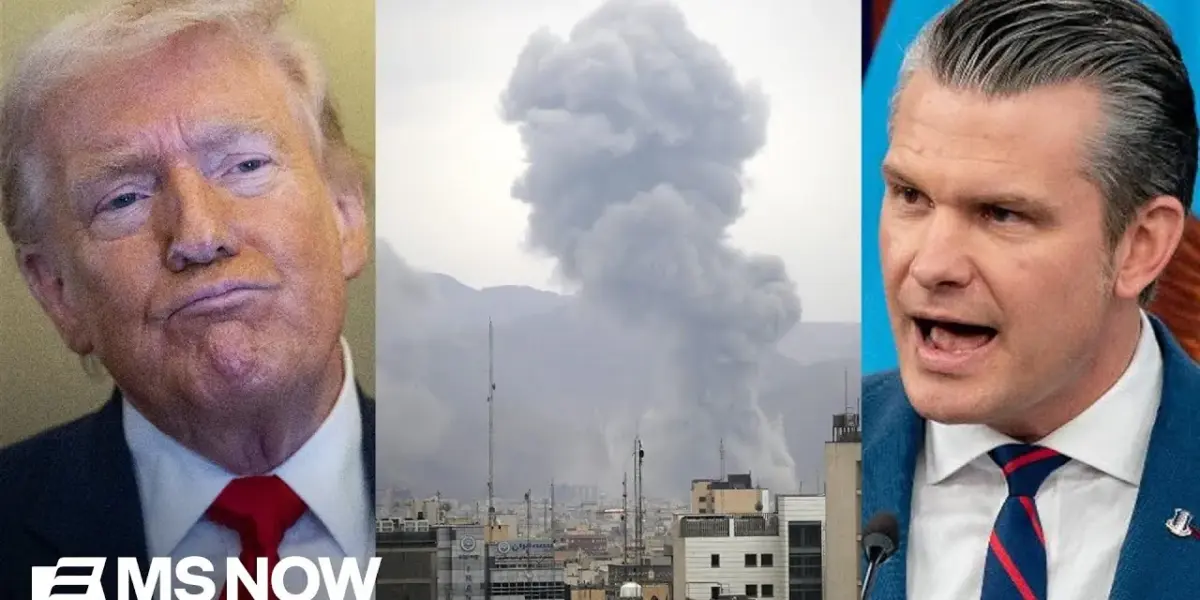
Iran Faces ‘Most Intense Day of Strikes’ Amid Escalating Regional Conflict
Jerusalem, Israel – Overnight, massive explosions rocked Tehran as the United States declared that the current day would be the most intense period of military strikes inside Iran, targeting deeply buried ballistic missile launchers. U.S. officials reported a significant reduction in ballistic missile and drone launches from Iran, down 90 percent and 83 percent respectively. However, the conflict continues to exact a heavy toll, with sirens sounding across Israel and 191 individuals admitted to hospitals in the past 24 hours due to attacks from both Iran and the northern front with Hezbollah. The situation underscores a complex and widening regional crisis, even as U.S. and Israeli officials debate the strategic coherence of the ongoing military actions.
Intensified Strikes and Regional Fallout
The U.S. military’s announcement signals a critical escalation in the conflict, with a focus on degrading Iran’s long-range strike capabilities. While the number of Iranian retaliatory launches has reportedly decreased, the persistent threat has kept Israeli civilians on edge. In Jerusalem, sirens wailed just an hour before reporting, a stark reminder of the ongoing danger. The Israeli health ministry’s figures highlight the immediate human cost, with nearly 200 hospital admissions in a single day, a figure attributed to both Iranian attacks and exchanges with Hezbollah along Israel’s northern border.
The conflict’s expansion into a second front with the Iranian-backed Hezbollah militia has led to alarming humanitarian consequences in Lebanon. The United Nations reports that over 700,000 people have been displaced, with at least 294 fatalities and over 1,000 injured. The Israel Defense Forces (IDF) have also reported their first casualties in the fighting against Hezbollah, with at least two soldiers killed. These developments come as the IDF works to push Hezbollah forces further back into Lebanon.
Resilience and Resolve on the Israeli Home Front
Despite the mounting casualties and the opening of new fronts, a resolute spirit is palpable among many Israelis. The mother of a soldier who lost both legs fighting Hezbollah expressed unwavering support for the war effort. “For religious people, we are people who believe in sitting and living in Israel. This is our land, and we are going to fight for it without any mercy to anyone,” she stated, her voice reflecting a sentiment of deep conviction. “We send our children into the army knowing that we may pay the highest price. But this is what we are doing. There’s no other option.”
This sentiment appears to be widely shared, with most Israelis interviewed expressing support for the ongoing operations by both Israeli and U.S. forces. Many feel they have been living under constant threat since the October 7th attacks and want to see the current military objectives fully achieved. Israeli Prime Minister Benjamin Netanyahu has affirmed that the offensive is far from over.
Diplomatic Stalemate and Economic Concerns
On the diplomatic front, the situation remains fraught. Iran’s Foreign Minister told PBS that the country would continue firing missiles for as long as necessary and has removed the U.S. from negotiation talks, citing a “bitter experience” of being attacked while attempting to negotiate. This stance suggests a prolonged period of military confrontation rather than diplomatic resolution, particularly concerning Iran’s nuclear program.
Meanwhile, the conflict’s economic repercussions are being felt globally, particularly at the pump. U.S. President Trump acknowledged that he anticipated oil prices would rise following the military actions, though he suggested the increase was less than expected and praised the swiftness of the initial success. However, analysts express concern that the administration may be underestimating the broader impact on American households already grappling with the cost of living.
Ashley Parker, a political analyst, noted the administration’s deep concern about the war’s political impact, especially regarding cost-of-living expenses like oil prices, which have historically been decisive in midterm elections. “Every single gas station that lists the price is a billboard reminding voters of what they don’t like, of how they’re struggling at home,” Parker observed, drawing parallels to past presidential campaigns where economic anxieties played a crucial role.
Strategic Coherence and Shifting Alliances
Debate continues regarding the strategic effectiveness and scope of the U.S. military involvement. While some, like Secretary Hegseth, argue the conflict is contained and that more allies are aligning with the U.S., others, like former CIA officer Mark Polymeropoulos, point to a “strategic incoherence” despite “tactical military brilliance.” Polymeropoulos noted that for residents in the Gulf states, the conflict’s impact is undeniable.
However, a significant shift appears to have occurred among Gulf nations. While initially seeking stability and containment of Iran, many have now tilted towards the U.S. position following Iranian attacks on their populations. The calculation by Iran that regional economic pain and casualties would destabilize these alliances appears to have backfired. “The Gulf Arab states certainly are on our side now,” Polymeropoulos stated, though he cautioned that the longevity of this economic pain and its potential impact on energy markets, particularly if Iran attempts to close the Strait of Hormuz, remains a critical question.
The relationship between the U.S. and Russia, and by extension China, also remains a complex factor. President Trump’s past overtures to Vladimir Putin and his comments suggesting U.S. actions in the Strait of Hormuz could benefit China have raised questions about geopolitical alignments amidst the escalating tensions. Parker highlighted Trump’s consistent inclination to foster close ties with Putin, drawing a parallel between the U.S. approach to Iran and its less assertive stance towards Russia’s actions.
Looking Ahead
As the region braces for what is described as the “most intense day of strikes,” the coming weeks will be crucial in determining the trajectory of the conflict. Key questions remain about the sustainability of the U.S. military strategy, the long-term impact on global energy markets, and the potential for further diplomatic breakthroughs or escalations. The resilience of the Israeli public, coupled with the shifting alliances in the Gulf, sets the stage for a critical period of geopolitical and military reckoning.
Source: Hegseth: Today will be 'most intense day of strikes inside Iran' (YouTube)

Related Articles


Oil Spikes Threaten Crypto: Inflation, Recession Fears Mount
Rising oil prices are signaling potential short-term inflation, with effects expected in 2-3 months. This complicates central bank policy and raises fears of a recession, impacting the broader financial markets, including cryptocurrencies.
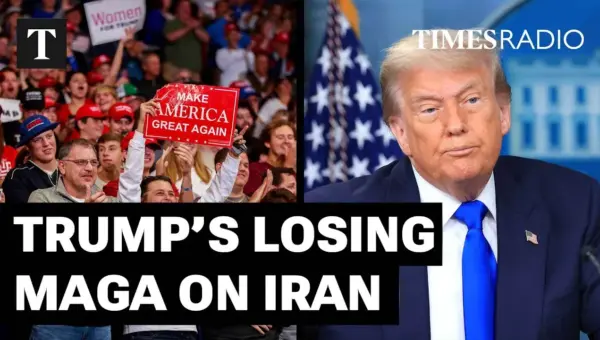
Trump’s Iran War Stance Shifts Amidst Base Unease, Economic Woes
President Trump's conflicting statements on the Iran conflict reveal a strategy potentially driven by domestic pressure and economic concerns. With his base showing waning tolerance for war and global markets uneasy, the administration navigates a complex geopolitical landscape.

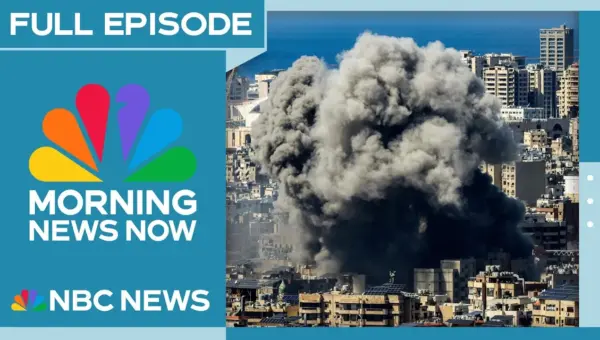
Iran War Sparks Oil Price Surge, Global Economic Fears
Iran's escalating conflict with its neighbors and Israel has triggered a sharp surge in oil prices, exceeding $100 a barrel and fueling global economic fears. President Trump has warned of severe consequences if Iran disrupts oil supplies, while new video suggests a potential U.S. missile strike near a school tragedy. Meanwhile, a partial government shutdown is causing significant airport delays across the U.S.