Iran Faces Blockade as US Eyes Oil Route
The U.S. is considering blocking Iran's oil exports through the Strait of Hormuz to pressure the Tehran regime. Former Ambassador John Bolton advocates for this strategy, alongside dismantling Iran's Revolutionary Guard, to achieve regional peace and security. The move could have major global economic impacts.

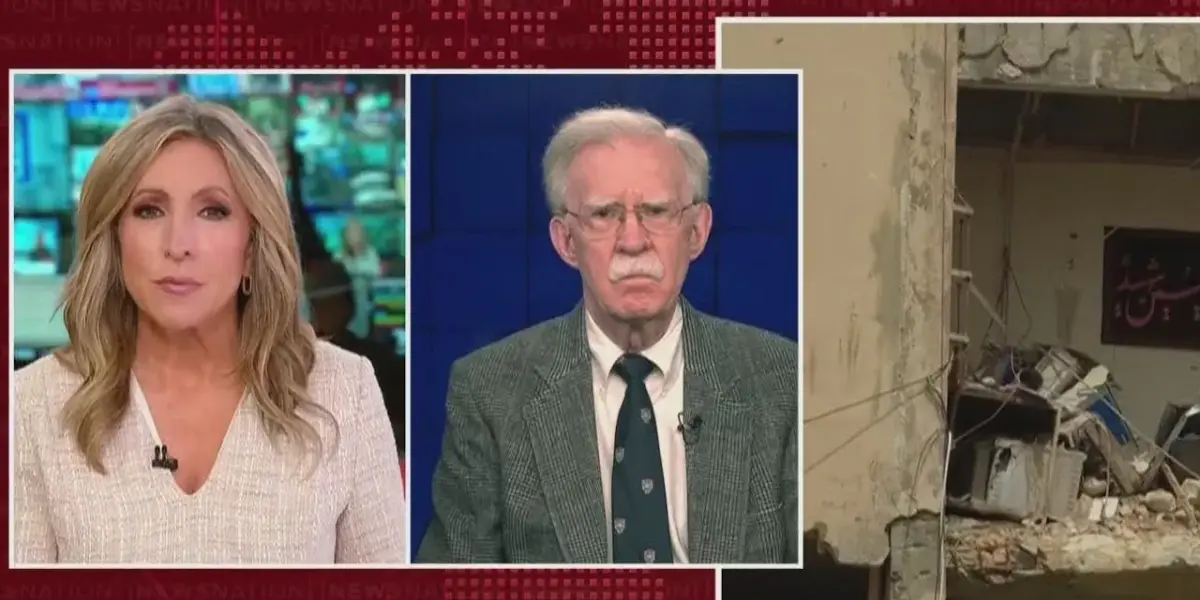
Iran Faces Blockade as US Eyes Oil Route
The United States is considering a significant move to block Iran’s oil exports, aiming to pressure the Tehran regime. This potential blockade, focused on the vital Strait of Hormuz, comes amid ongoing tensions and a recent military operation to rescue a U.S. service member. Former Ambassador to the UN and National Security Adviser John Bolton believes this action is necessary to counter Iran’s destabilizing influence in the region.
U.S. Military Operation Highlights Capabilities
A recent successful rescue of a U.S. Air Force member inside Iran demonstrated American military strength. Bolton described the operation as highly professional, showcasing the ability to operate effectively even in dangerous circumstances. However, he cautioned that such operations highlight the risks of continued conflict. The Iranian regime, he noted, has already engaged in propaganda, claiming the rescue was a deception. This behavior, Bolton suggests, is typical of the regime the U.S. is dealing with.
Bolton’s Strategy: Control the Strait, Cripple the Guard
In a New York Times opinion piece, Bolton outlined a strategy for the U.S. to exert greater influence over Iran. He argues for leveraging military momentum to gain control of the Strait of Hormuz and dismantle Iran’s Islamic Revolutionary Guard Corps (IRGC). This would involve accelerating efforts to secure the strait for commercial shipping, particularly oil tankers. Bolton proposes telling China that it will not receive any more oil from the Persian Gulf if Iran continues its actions. He also advocates for continued pressure on IRGC leadership and the organization itself, believing the regime is showing signs of internal division.
The Goal: Regime Change for Lasting Peace
Bolton stated that the current conduct of the Iranian regime proves that the only path to lasting peace and security is its elimination. He argues that if the regime survives and develops nuclear weapons, it would pose an unacceptable threat. Therefore, the ultimate goal must be to remove the regime entirely.
Addressing the Strait of Hormuz Deadline
The U.S. has set a deadline for Iran to reopen the Strait of Hormuz. Ukrainian President Volodymyr Zelensky, speaking to NewsNation, expressed doubt that any single country can secure the strait alone, suggesting that joint efforts are necessary. If Iran fails to meet the deadline, the U.S. has threatened to target its energy infrastructure and logistical capabilities. Bolton defended this approach, arguing that much of Iran’s military machine, including its ballistic missile and drone programs, is hidden underground. To dismantle these capabilities, especially those supporting the IRGC and its nuclear program, above-ground infrastructure will likely need to be targeted.
Supporting Iranian Opposition
Bolton also suggested that the U.S. should do more to support opponents of the Iranian regime. This includes groups like the Kurds and Persians who have protested against the government. He believes now is the time to act, not necessarily by sending troops, but by working to destabilize the regime from within. He pointed to Iran’s fortifications in the Strait of Hormuz, including underground sites for drones, which still need to be addressed.
Global Impact
The potential blockade of the Strait of Hormuz would have significant global economic consequences. This waterway is crucial for transporting oil, and any disruption could lead to sharp increases in global energy prices. China, a major importer of Iranian oil, would be particularly affected. The U.S. strategy aims to isolate Iran economically and militarily, potentially reshaping regional power dynamics. It also raises questions about the U.S. role in the Middle East and its willingness to confront Iran directly, even without a large-scale troop deployment. The situation highlights the complex interplay between energy security, regional stability, and international diplomacy.
Historical Context
Tensions between the U.S. and Iran have a long history, dating back to the 1979 Iranian Revolution. The Strait of Hormuz has been a focal point of conflict and concern for decades, as it is a chokepoint for global oil supplies. Past U.S. administrations have employed various strategies, including sanctions and naval presence, to manage these tensions. Bolton’s proposed actions build upon these historical approaches, advocating for a more aggressive stance to counter Iran’s perceived threats.
Economic Leverage and Future Scenarios
The U.S. has already imposed significant sanctions on Iran, impacting its economy. The threat of a blockade adds another layer of economic pressure. If successful, it could severely cripple Iran’s oil revenue, its primary source of income. However, such a move carries risks. It could provoke retaliation from Iran, potentially escalating regional conflict. It might also face international opposition, particularly from countries reliant on oil from the Gulf. Future scenarios range from Iran complying with U.S. demands to avoid the blockade, to a significant escalation of hostilities, or a prolonged period of heightened tension and economic pressure.
Source: John Bolton reacts to rescue of US service member | NewsNation Live (YouTube)

Related Articles

Trump Threatens Iran, Shaking Global Stability
Former President Trump's aggressive Easter Sunday warning to Iran has ignited global concerns, highlighting a volatile intersection of politics, religion, and foreign policy. The analysis explores the motivations behind such rhetoric, the deep divisions within American society, and the potential for severe economic and geopolitical repercussions worldwide.
Trump’s Rhetoric Fuels Iran Tensions, Raises War Crime Alarms
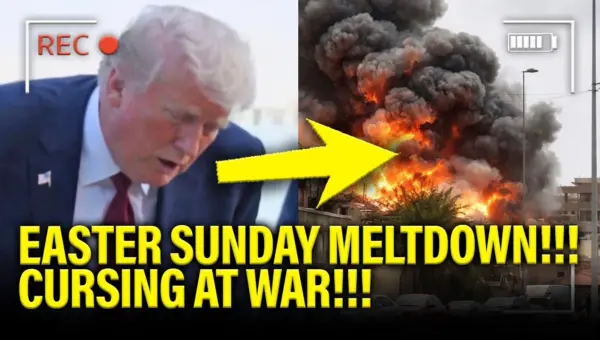
Former President Donald Trump's aggressive Easter weekend social media posts directed at Iran have sparked international concern. His threats of military action and ultimatums, coupled with conflicting narratives about military engagements, have raised alarms about potential war crimes and a dangerous escalation of conflict. Critics accuse both Trump and segments of the media of downplaying the severity of his rhetoric.


Trump Threatens Iran: “Open Strait or Live in Hell”
President Trump issued a severe warning to Iran, threatening "hell" if the Strait of Hormuz is not reopened, while U.S. forces successfully rescued a downed airman. Experts suggest potential escalation and regional realignments are unfolding.