Iran Extends Strait of Hormuz Deadline Amid Global Oil Tensions
The U.S. has granted Iran a 10-day extension to reopen the Strait of Hormuz, a critical global oil route. This move comes amid complex negotiations, military actions, and concerns over Iran's strategic leverage and resilience. Lawmakers express frustration over the lack of a clear strategy and potential escalation.

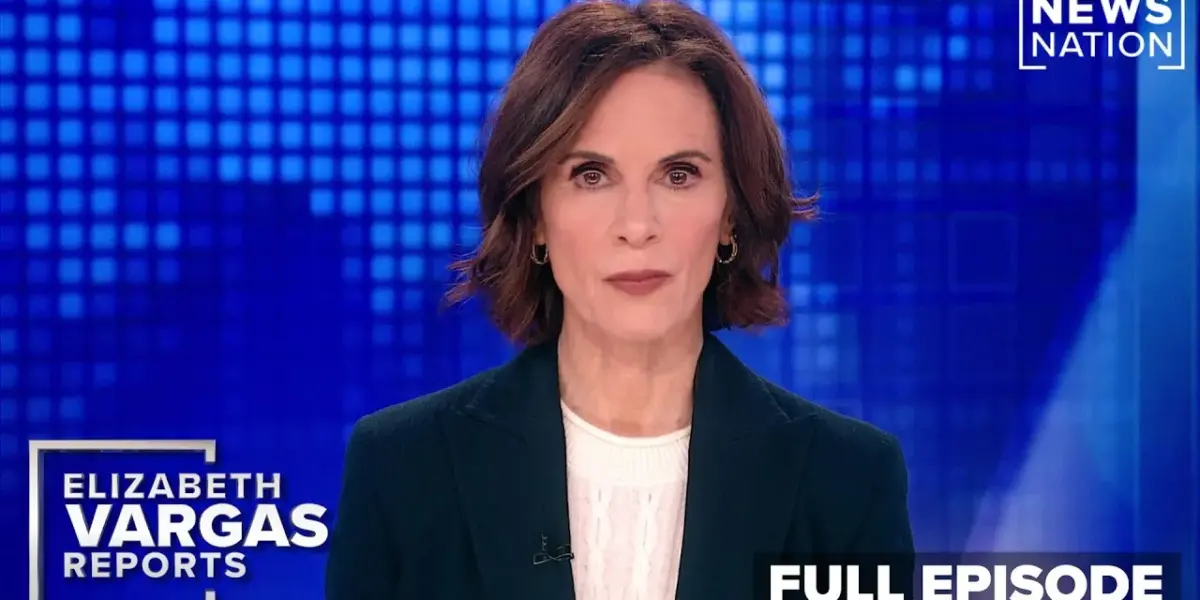
Iran Extends Strait of Hormuz Deadline Amid Global Oil Tensions
The United States has extended its deadline for Iran to reopen the critical Strait of Hormuz, a move that signals ongoing diplomatic efforts but also raises concerns about the escalating conflict. President Trump announced a 10-day extension, pushing the new deadline to Monday, April 6th. This decision follows Iran’s request for more time, according to the president, and comes amid complex negotiations and military actions in the region.
Shifting Deadlines and Diplomatic Signals
This is the second time President Trump has extended the ultimatum. The original deadline was set for this past Monday, then moved to Friday, and now to April 6th. The president stated on social media that talks are ongoing and progressing well. This suggests a potential shift from earlier remarks where he expressed uncertainty about wanting to make a deal with the Iranian regime, describing them as “great negotiators” who were “begging to work out a deal.” White House envoy Steve Witoff confirmed that Iran is seeking an offer following the U.S. threat.
Iran’s Strategic Leverage: The Strait of Hormuz
Iran continues to control the Strait of Hormuz, a vital waterway through which about a fifth of the world’s oil supply passes daily. Despite U.S. and Israeli strikes, Iran has not fully lost its ability to disrupt global oil flow. The regime has demonstrated a capacity to absorb punishment, partly due to a decentralized command and control system and deep underground missile sites. This ability to threaten the strait remains Iran’s primary leverage against international pressure.
Military Actions and Their Impact
In a significant development, Israel announced it had killed Iran’s top naval commander, who was reportedly responsible for closing the strait and targeting oil tankers. However, even after this strike, Iran maintained control of the waterway. In a gesture interpreted as progress by some U.S. officials, Iran allowed a small number of oil tankers to pass through the strait. President Trump cited this as a “gift” from Iran, mentioning ten Pakistani-flagged tankers that were permitted to proceed. Secretary of State Marco Rubio highlighted this as concrete progress, though the volume is a fraction of the normal daily traffic.
Concerns Over Negotiations and Ground Troops
Questions linger about the specifics of these negotiations and who the U.S. is actually talking to. Lawmakers from both parties have expressed frustration and a lack of clarity from the administration. Retired General Wesley Clark noted that the longer the conflict lasts, the greater the likelihood that U.S. ground troops might be needed. He explained that as air campaigns continue, targets become less valuable, and the regime simply endures the pain. Forcing the strait open militarily would be a difficult challenge.
Russia and China’s Role
General Clark also warned that a prolonged conflict could lead Russia and China to increase their support for Iran. Russia, he suggested, might offer assistance in exchange for concessions regarding Ukraine. China, while on the fence, could also provide behind-the-scenes support, potentially using satellite intelligence to aid Russian targeting in the region. Both nations have an interest in seeing the U.S. weakened by a protracted engagement.
Analysis of the Iranian Regime’s Resilience
John Bolton, former U.S. Ambassador to the United Nations, criticized the extended deadline as a sign of weakness, arguing that the objective should be regime change. He believes the U.S. is not truly negotiating with Iran and that allowing tankers to pass with unspecified payment arrangements could inadvertently finance Iran’s war efforts. Bolton stressed that Iran wins by surviving and demonstrating its ability to intimidate the world, potentially emerging stronger economically and militarily once sanctions ease and its programs are rebuilt.
Congressional Frustration and Lack of Strategy
Democratic Congressman Jason Crowe, a member of the House Armed Services and Intelligence Committees, echoed concerns about Iran’s preparedness. He stated that Iran has spent two decades preparing for this moment, decentralizing its command, building weapon stockpiles, and developing cyber capabilities. Crowe described a recent classified briefing for lawmakers as frustrating, with officials providing non-substantive answers and reading from scripts. He emphasized the lack of clear plans for troop protection, mission objectives, and an exit strategy.
Lawmakers are reportedly receiving unsatisfactory responses to fundamental questions, such as how U.S. troops will be protected or what the exit strategy is. Some answers given were variations of “we’ve already won,” “we’ll tell you when we know,” or a desire to return to the criteria of the JCPOA agreement negotiated under the Obama administration. Congressman Crowe pointed out that even if the U.S. declares victory or decimates Iran militarily, the Strait of Hormuz could remain closed, and Iran would still possess leverage.
TSA Workers and Government Shutdown
Separately, President Trump announced he would sign an emergency order to ensure TSA agents are paid during the ongoing government shutdown. This move aims to resolve the “nightmare” of long airport security lines caused by TSA workers missing paychecks. TSA agents were due to miss their second full paycheck, leading to significant call-outs and record wait times. The Department of Homeland Security has substantial funds available from a previous bill, which the president intends to use to compensate the workers while Congress continues to negotiate a funding deal. This situation highlights the human cost of political disputes, with TSA workers facing severe financial hardship.
Global Impact and Future Scenarios
The extended deadline and ongoing tensions over the Strait of Hormuz have significant global implications. The ability of Iran to disrupt oil supplies impacts energy prices and economic stability worldwide. The U.S. faces a dilemma: continued military pressure risks escalation and potential ground troop deployment, while diplomatic efforts appear mired in uncertainty regarding negotiations. A protracted conflict could empower Russia and China, further complicating the global geopolitical balance. The lack of a clear strategy and exit plan from the U.S. administration, as voiced by lawmakers and analysts, raises concerns about the long-term consequences for regional security and U.S. international standing. The situation underscores the complex interplay of military action, diplomatic maneuvering, and economic leverage in international affairs, with the potential for widespread disruption if a resolution is not found.
Source: New Iran deadline; Trump order allows TSA agents to be paid | Vargas Reports Full Episode 3/26 (YouTube)

Related Articles


Mexico Navigates US-China Rivalry
Mexico is caught in a geopolitical tug-of-war between the United States and China. The nation must carefully balance its economic needs and strategic interests with both superpowers. This situation highlights Mexico's growing importance in global affairs.
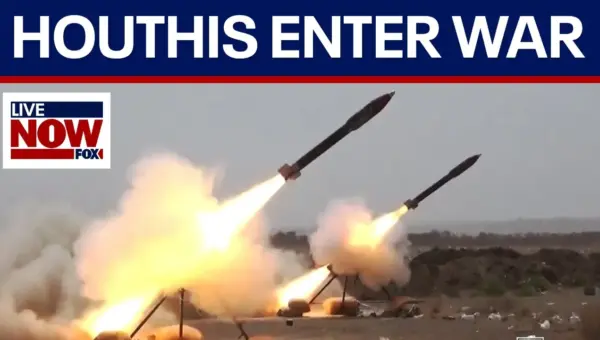
Iran-Backed Houthis Strike Israel, Escalating Regional Tensions
Iran-backed Houthi rebels have launched a missile attack targeting Israel, marking their first such strike since the current Middle East conflict began. The Israeli military confirmed the interception of the projectile. Analysts view this action as part of Iran's broader regional strategy, highlighting the regime's reliance on proxy forces amid internal weaknesses.
Europe Strikes New Trade Deals, Eyes Global Influence
The European Union is actively forging new trade alliances, notably with South American nations like Brazil, to reduce reliance on China and the US. Driven by the need for critical resources like rare earth metals and the desire to boost its own industries, Europe is making strategic concessions and seeking new markets, despite facing internal criticism and a changing global economic landscape.