Iran Escalates, US Sends Third Carrier Amidst Mideast Turmoil
Iran has launched a major ballistic missile and cluster munition attack on Israel, while also striking Bahrain and the UAE. The US is responding by increasing its bombing campaign and deploying a third aircraft carrier to the Middle East. The Houthi group has also joined the conflict, firing missiles at Israel.


Iran Escalates, US Sends Third Carrier Amidst Mideast Turmoil
The Middle East is facing a dangerous new phase of conflict. Overnight, Iran launched a significant ballistic missile attack on Israel. This attack also involved the use of cluster munitions, which are particularly concerning due to their indiscriminate nature. At the same time, the United States is increasing its own military actions, including a stepped-up bombing campaign. Adding to the tension, a third US aircraft carrier is now heading to the region, signaling a serious escalation by the American military.
Cluster Bombs Raise Alarm
The recent Iranian attack on Israel featured ballistic missiles and, notably, cluster munitions. These weapons are essentially bombs packed with smaller bomblets. When released, these bomblets scatter over a wide area, making them very difficult for air defenses to stop. They are also known for causing harm to civilians because they don’t target specific military objectives. Iran’s decision to use them suggests a strategy to overwhelm Israel’s air defenses, which are reportedly running low on interceptors.
Footage shows these cluster munitions raining down on Israel. The difficulty in intercepting them means they have a higher chance of reaching their targets. This tactic highlights Iran’s effort to break through defenses, regardless of the potential collateral damage. The scene described is terrifying, with these weapons falling in real time.
Attacks Extend Beyond Israel
The attacks were not limited to Israel. Overnight, Bahrain and the United Arab Emirates (UAE) also faced intense assaults from Iranian ballistic missiles. Reports indicate direct hits in Bahrain, with videos showing interceptors missing their targets. One clip shows an interceptor failing to stop a ballistic missile, which then proceeds to hit its intended ground target.
Residents in the UAE received alerts warning of potential missile threats. These messages instructed people to seek immediate shelter in the nearest secure building, stay away from windows and open areas, and await further instructions. These alerts were issued throughout the night as Iranian missiles struck various locations across the country.
US and Israeli Counterstrikes Continue
While Iran launched its attacks, the United States and Israel have continued their own bombing campaigns. The Israeli Defense Forces announced they were striking targets in Tyre, Iran, with heavy strikes seen and heard in the city. Images showed smoke and explosions from these air strikes.
One target was reportedly an IRGC (Islamic Revolutionary Guard Corps) headquarters or stronghold in Isfahan. The IRGC is a military branch loyal to the Iranian government. Photos show a compound engulfed in flames following what is described as a massive Israeli-US strike, indicating significant destruction.
The US Central Command also released footage of their forces targeting Iranian naval assets. Iran’s large navy ships have largely been destroyed. The remaining smaller vessels are a concern because they can be used to harass shipping in the Strait of Hormuz by laying mines or attacking other ships. The US military continues to actively target these remaining naval capabilities.
US Military Buildup in the Region
A significant development is the deployment of a third US aircraft carrier, the USS George HW Bush, to the Middle East. This follows the presence of the USS Abraham Lincoln and the USS Gerald R. Ford. The movement of military assets, like aircraft carriers, often speaks louder than words. Sending another carrier indicates that the US government views the situation as far from over.
Each aircraft carrier can bring about 90 aircraft to the fight. With three carriers, this means potentially 270 aircraft can be deployed for strikes around the clock. This represents a massive increase in US military capability in the region, allowing for sustained operations against targets.
Houthis Join the Conflict
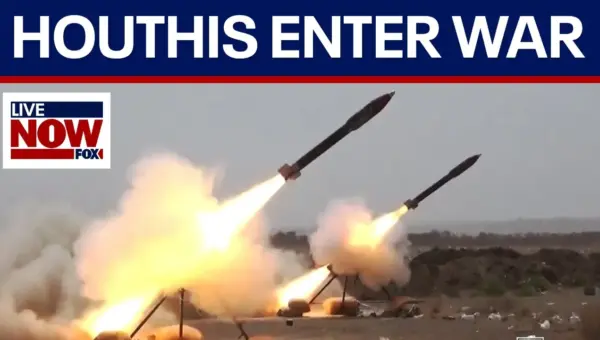
Adding another layer to the escalating conflict, the Houthis, an Iran-backed group in Yemen, have announced their entry into the war. They have declared their intention to shut down the Red Sea and have fired missiles at Israel. While these missiles were reportedly intercepted, this action opens a new front in the war, with the Houthis now directly engaging against the United States, Israel, and their Gulf partners.
Talks Still Possible?
Despite the intense military activity, there are still discussions about potential peace talks. Steve Witcoff, a chief negotiator for the US administration, suggested that negotiations might still occur. He stated that the US has offered to meet and expressed hope for meetings this week. The phrase “ships are passing” was used as a positive sign, suggesting that communication channels remain open.
However, it is also possible that these statements about talks are a tactic, and their actual occurrence is uncertain. The situation remains fluid, with ongoing military actions contrasting with diplomatic possibilities.
Why This Matters
The current situation in the Middle East is highly volatile. Iran’s direct attacks on Israel, including the use of cluster munitions, represent a significant escalation. The involvement of the Houthis broadens the conflict, potentially disrupting crucial shipping lanes in the Red Sea. The US response, particularly the deployment of a third aircraft carrier, signals a strong commitment to projecting power and deterring further aggression, but also raises the stakes of a wider confrontation.
The dual track of increased military engagement alongside the possibility of diplomatic talks creates a complex and unpredictable environment. The effectiveness of air defense systems, the impact of naval blockades, and the willingness of regional powers to de-escalate will all play critical roles in shaping future events.
Looking Ahead
The coming days and weeks will be crucial. The success of air defense systems against future missile barrages, the impact of US and Israeli strikes on Iranian capabilities, and the potential for the conflict to spread further are all key factors to watch. The ongoing diplomatic efforts, however tentative, will also be important in determining whether a wider war can be averted. The strategic implications of having three US aircraft carriers operating in the region are immense, suggesting a long-term US commitment to managing the crisis.
Source: Iran UNLEASHES Brutal Attack On Israel – Aircraft Carrier SCRAMBLING (YouTube)

Related Articles


Trump’s War Strategy Faces Skepticism Amidst Shifting Goals
President Trump's strategy in the ongoing Middle East conflict is facing increasing skepticism, even from his own base. While military actions have seen success, strategic goals are unclear and diverging from allies like Israel. The prolonged war and shifting public perception are creating a sense of uncertainty and doubt.
Iran-Backed Houthis Strike Israel, Escalating Regional Tensions
Iran-backed Houthi rebels have launched a missile attack targeting Israel, marking their first such strike since the current Middle East conflict began. The Israeli military confirmed the interception of the projectile. Analysts view this action as part of Iran's broader regional strategy, highlighting the regime's reliance on proxy forces amid internal weaknesses.


Trump’s War Talk Distracts as World Burns
As global conflicts escalate and economic pressures mount, Donald Trump's focus on past grievances and symbolic wins overshadows pressing issues. His rhetoric, including questionable claims about ending wars and strategic use of terminology to bypass Congress, raises concerns about leadership and national priorities.