Iran Escalates, U.S. Threatens Power Grid
Iran has launched a major missile attack on Israel, causing significant casualties and demonstrating increased missile range. In response, President Trump threatened to destroy Iran's power plants if the Strait of Hormuz remains closed. This escalation signals a dangerous new phase in Middle Eastern conflict with global economic implications.


Iran Escalates, U.S. Threatens Power Grid
Tensions in the Middle East are rising fast. Iran has launched a major missile attack on Israel, causing over 100 casualties. This event follows Iran’s strike on an American and UK base in the Indian Ocean, showing its ability to hit targets far from its borders. In response, President Trump has issued a stark warning: if Iran doesn’t open the Strait of Hormuz within 48 hours, the U.S. will attack Iran’s power plants.
Iran’s Growing Reach and Israel Under Fire
Iran’s recent actions show a significant increase in its military reach. The attack on an American and UK base in the Indian Ocean, located 4,000 kilometers from Iran, demonstrates a new capability. This strike suggests that Iran could potentially target cities in Europe, not just the Middle East. Back in the region, Iran launched missiles that broke through Israel’s air defenses. These missiles hit residential buildings in southern Israeli towns like Arod and Dimona. Israel’s Foreign Ministry reports over 100 people were killed or injured, with numbers possibly still rising. The Israeli Defense Forces (IDF) acknowledged that their missile defense system failed during the attack. Prime Minister Netanyahu stated that Israel would continue to pursue its enemies.
U.S. Response and Escalating Military Actions
President Trump’s reaction was swift and severe. He posted on social media, threatening to hit and destroy Iran’s power plants if the Strait of Hormuz remained closed. He specifically mentioned targeting the largest power plant first. This warning comes as the U.S. and Israel continue their own strikes inside Iran. One of these targets is Iran’s Natanz enrichment center. The U.S. had previously struck this site about a year ago as part of an operation called Midnight Hammer. These actions show that military engagement is happening, not just talk.
The Strait of Hormuz: A Critical Global Chokepoint
The Strait of Hormuz is a narrow waterway between Iran and the Arabian Peninsula. About 20% of the world’s oil passes through this strait every day. If Iran were to close it, global oil supplies would be severely disrupted. This could lead to sharp increases in oil prices and major economic problems worldwide. The U.S. has a long-standing policy of ensuring freedom of navigation in this vital shipping lane. Iran, on the other hand, has often threatened to close the strait as a way to pressure other countries, especially during times of conflict.
Motivations and Interests at Play
Iran: Iran appears to be using its military actions to project power and deter further attacks. By striking targets far from its borders and challenging Israel’s air defenses, Iran aims to show its strength and retaliate against perceived threats. Closing the Strait of Hormuz is a tactic Iran has used before to gain leverage in international disputes. Its nuclear program, including enrichment activities, is a key area of concern for global powers.
United States: The U.S. is focused on maintaining stability in the Middle East and protecting its allies, particularly Israel. Ensuring the free flow of oil through the Strait of Hormuz is a top priority for American economic and security interests. President Trump’s threat to attack Iran’s power infrastructure signals a willingness to use significant force to achieve these goals.
Israel: Israel views Iran as a primary security threat, especially due to its nuclear program and support for regional militant groups. The recent missile attack, which bypassed its defenses, has reinforced Israel’s determination to counter Iranian aggression. Prime Minister Netanyahu’s commitment to pursuing enemies reflects a policy of strong retaliation.
Historical Context and Shifting Alliances
The current confrontation has deep roots. Tensions between the U.S. and Iran have been high since the 1979 Iranian Revolution. The U.S. has long supported Israel and worked to counter Iran’s influence in the region. Previous incidents, like the attack on the Natanz enrichment center, highlight a pattern of escalating military actions. The failure of Israel’s missile defense system is a significant development, as the country has invested heavily in these capabilities. This event could lead to a reassessment of regional defense strategies and potentially closer military cooperation between the U.S. and Israel.
Global Impact: Why This Reshapes the World Order
The potential closure of the Strait of Hormuz could have devastating economic consequences globally. Oil prices could skyrocket, impacting everything from transportation to manufacturing. This could trigger a global recession. Furthermore, the expansion of Iran’s missile range raises concerns for European security, suggesting that the conflict’s reach is no longer limited to the Middle East. The direct military confrontation between Iran, the U.S., and Israel, along with the failure of advanced defense systems, signals a dangerous new phase in international relations. It challenges the existing security architecture and could force nations to reconsider their alliances and defense postures.
Future Scenarios
Several paths lie ahead. Scenario 1: De-escalation. Iran might reopen the Strait of Hormuz to avoid a direct confrontation with the U.S. and its allies. This could lead to renewed diplomatic efforts, though trust would be low. Scenario 2: Continued Escalation. The U.S. might follow through on its threat to attack Iranian power plants, leading to wider conflict. Iran could retaliate further, potentially targeting more shipping or even European interests. Scenario 3: Limited Conflict. Both sides might engage in targeted strikes without fully committing to a large-scale war. This could involve cyberattacks, sabotage, and proxy warfare, creating ongoing instability.
The current trajectory suggests a high likelihood of continued escalation, given the direct threats and military actions already taken by all parties involved.
Source: Trump says U.S. will attack Iran power plants if Strait of Hormuz remains closed (YouTube)

Related Articles
Iran Strikes Saudi Base, US Escalates Air Campaign
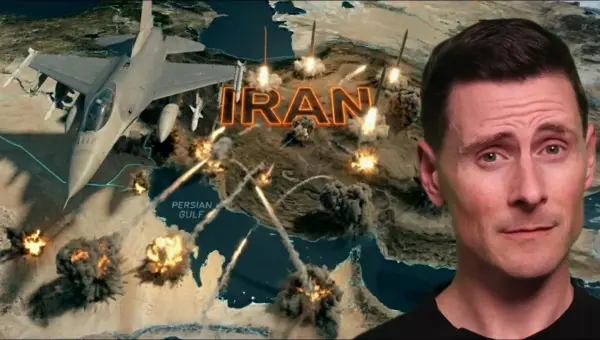
Iran launched a drone and missile attack on Prince Sultan Air Base in Saudi Arabia, wounding U.S. personnel and damaging aircraft. In response, the U.S. is intensifying air strikes on Iranian military targets. The Houthis have also joined the conflict, launching a projectile towards Israel. The ongoing conflict highlights the strategic importance of the Straits of Hormuz and the continued reliance on advanced air power.
Mixed Signals: Trump’s Iran Stance Fuels War & Negotiation Chaos
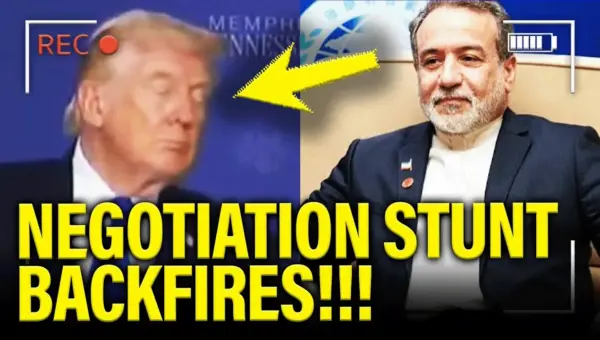
Conflicting messages from Donald Trump regarding Iran's Strait of Hormuz threats and subsequent negotiation claims create diplomatic chaos. Expert analysis highlights the importance of autonomy in negotiation and warns against arbitrary deadlines, while the core question of U.S. involvement in such conflicts remains.

Iran Escalates, US Sends Third Carrier Amidst Mideast Turmoil
Iran has launched a major ballistic missile and cluster munition attack on Israel, while also striking Bahrain and the UAE. The US is responding by increasing its bombing campaign and deploying a third aircraft carrier to the Middle East. The Houthi group has also joined the conflict, firing missiles at Israel.