Iran Escalates, Trump’s Threats Backfire Globally
Former President Trump's threats against Iran regarding the Strait of Hormuz have backfired, leading to an escalatory response from Tehran. This has heightened global tensions and is already impacting U.S. consumers with rising gas prices.


Iran Escalates, Trump’s Threats Backfire Globally
Tensions are rising sharply between Iran, the United States, and Israel, creating a more dangerous situation for everyone around the world. This escalation follows threats made by former President Donald Trump regarding Iran’s control of the Strait of Hormuz. Iran’s response has been even more aggressive, showing that the conflict is far from over, despite earlier claims of victory.
Trump’s Ultimatum and Iran’s Reaction
About 48 hours ago, Donald Trump issued a stern warning to Iran. He stated that if Iran did not fully open the Strait of Hormuz within 48 hours, the United States would target and destroy Iran’s power plants, starting with the largest one. This threat, however, appears to be a sign of desperation rather than a well-thought-out plan to keep the vital shipping lane open. Trump also tried to push NATO allies into escorting ships through the strait, a move described as a potential “suicide mission” due to the narrowness of the shipping lanes and Iran’s proximity.
The Strait of Hormuz is a critical waterway. At its narrowest shipping lane, it is only about 2 miles wide. Missiles could easily be launched from Iran’s coast, making any military escort extremely risky.
Trump’s threat to destroy Iran’s power plants raises serious questions. Critics argue that such an action would primarily harm the Iranian people, not the ruling regime. The Iranian government has a history of suppressing its citizens, cutting off internet access, and causing widespread suffering. Therefore, targeting infrastructure would likely hurt the very population Trump’s supporters often claim to want to help. This approach seems to ignore the regime’s indifference to its people’s well-being.
Conflicting Messages and Domestic Divisions
Adding to the confusion, Trump later posted that “with the death of Iran, the greatest enemy America has is the radical left, highly incompetent Democrat party.” This statement is factually incorrect; Iran’s regime remains in power. Iran has hundreds of thousands of members in its Islamic Revolutionary Guard Corps (IRGC), who are reportedly deeply religious and willing to fight to the end. Trump’s conflicting messages suggest a lack of clear strategy and an attempt to shift focus.
This rhetoric also widens domestic divisions. By declaring nearly half of Americans as the “greatest enemy” shortly after discussing Iran, Trump is seen by some as declaring an “open civil war” from the presidential platform. This approach, critics argue, is treacherous and undermines the idea of a united America, portraying him as a leader of a faction rather than the entire nation. This internal conflict is happening while the U.S. is escalating its actions with Iran.
Economic Impact: Rising Gas Prices
The ongoing conflict and the threat to the Strait of Hormuz are already impacting the U.S. economy, particularly at the gas pump. Reports indicate that average gas prices have risen significantly in the past month. Americans are now paying hundreds of millions of dollars more each day for gasoline. Over a 21-day period, this cost has reached billions of dollars.
This increase in fuel costs affects nearly every business in the United States, as transportation is essential for goods and services. Small businesses, in particular, are struggling with higher operating costs. The price of diesel fuel has also seen dramatic increases in many cities, further driving up the cost of goods. Even air travel has become more expensive, contributing to a broader rise in the cost of living.
Iran’s Escalatory Response
Iran has officially responded to Trump’s threat, and its reaction is far more severe than anticipated. Iran has stated that if Trump’s threat is carried out, they will:
- Completely close the Strait of Hormuz.
- Target vital infrastructure in the Middle East, including energy and water desalination facilities.
- Irreversibly destroy infrastructure that the world relies on, according to their own words.
Furthermore, a senior Iranian military commander announced that the country’s military strategy has shifted from defensive to offensive. Iranian officials also claim to have enough essential goods to last for up to a year, indicating preparedness for a prolonged conflict or blockade.
Asymmetric Warfare and Political Strategy
Trump’s approach to this situation is described as a misunderstanding of “asymmetric warfare.” While the U.S. possesses significant military power, countries like Iran can inflict damage through unconventional means. Iran’s strategy appears to involve closing the Strait of Hormuz and damaging U.S. political interests, affecting not only Americans but also global citizens. This is happening while Trump is reportedly arriving at his West Palm Beach Golf Club, even as Iranian missiles have targeted Israel.
The increased cost of gasoline and goods is directly impacting Americans’ finances. Some analyses suggest that the extra billions Americans are paying at the pump could negate any tax benefits previously enacted, such as the “tax on tips.” This economic strain could undermine potential gains intended to help the average American.
Historical Context and Future Outlook
The current situation echoes past diplomatic failures. A deal with Iran, the Joint Comprehensive Plan of Action (JCPOA), was in place under the Obama administration. Iran had reportedly come to the table in good faith, allowing for oversight of its nuclear infrastructure. However, Trump withdrew from this agreement without a clear alternative plan.
This withdrawal has led to a cycle of conflict and striking every few months, creating a state of perpetual tension. The speaker expresses a desire for de-escalation, an end to the debt added to the U.S. national debt, and a move away from further conflict, especially given the potential for a country that was close to a deal just a month prior.
Why This Matters
This situation matters because it highlights the dangerous consequences of aggressive rhetoric and unpredictable foreign policy. Trump’s threats, rather than deterring Iran, have provoked a stronger, more dangerous response. This escalates the risk of a wider conflict in the Middle East, which has global implications for energy security, international trade, and regional stability. The economic fallout, evidenced by rising gas prices, directly impacts everyday Americans and businesses. Furthermore, the internal political divisions exacerbated by Trump’s rhetoric weaken the nation’s ability to respond effectively to external threats. The failure to maintain diplomatic channels and agreements, like the JCPOA, leads to cycles of conflict that are costly in terms of both human lives and financial resources.
Implications, Trends, and Future Outlook
The trend is towards increased instability in the Middle East, fueled by assertive actions and counter-actions. Iran’s shift to an offensive strategy and its threats to critical infrastructure signal a willingness to inflict significant damage. This could lead to a prolonged period of heightened alert and potential military engagements. The U.S. faces a difficult choice: follow through with Trump’s threats, risking a massive escalation and potentially devastating consequences, or back down, which could be perceived as weakness and embolden Iran further.
The economic impact will likely continue to be felt, with sustained high energy prices affecting global markets and consumer spending. Small businesses may face significant challenges, potentially leading to closures or reduced operations. The political landscape in the U.S. is also affected, with foreign policy decisions becoming increasingly intertwined with domestic political narratives.
The future outlook depends heavily on the decisions made in the coming hours and days. A de-escalation would require a return to diplomacy and a more measured approach. However, given the current rhetoric and Iran’s forceful response, the path to de-escalation appears challenging. The situation underscores the importance of consistent, well-planned foreign policy that prioritizes stability and avoids actions that could have unintended, catastrophic consequences.
Source: Iran Threatens Everyone after Trump SAYS THIS (YouTube)

Related Articles
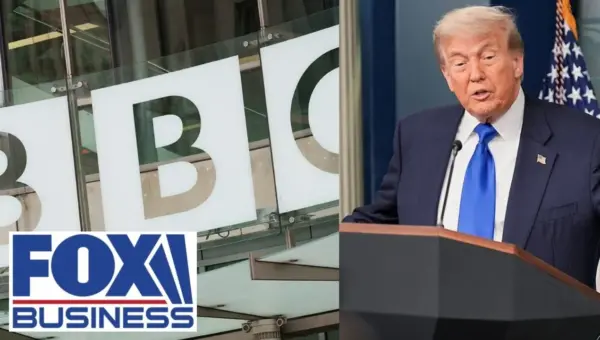
Iran’s Missile Threat Reduced by 90%, Analyst Says
An analyst reports that Operation Epic Fury has degraded Iran's missile launchers by 90%, despite challenges in targeting hidden sites. The conflict's duration and media coverage are also discussed, with implications for global energy markets and investor confidence.

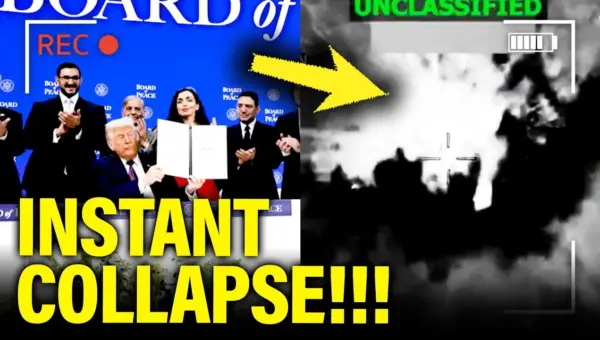
Trump’s ‘Board of Peace’ Crumbles Amidst Global Conflict
Donald Trump's 'Board of Peace,' launched with grand ambitions from Davos, faced immediate scrutiny over its $1 billion permanent membership fee. Despite attempts to secure ceasefires, the initiative appeared to falter as global conflicts, including strikes on Iran, escalated, leaving its intended purpose overshadowed.
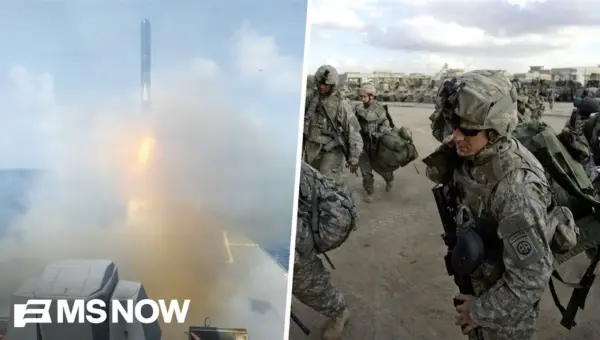
Iran Missile Strikes Injure US Troops, Raise War Concerns
Iranian missile strikes have injured U.S. service members, escalating tensions as the conflict nears one month. The attacks are raising concerns about the effectiveness of U.S. military strategy and the depletion of crucial missile stockpiles. Global oil prices have surged, impacting economies worldwide.