Iran Escalates: Trump’s Disastrous Diplomacy Sparks Global Concern
MeidasTouch analyzes the rapid escalation of conflict with Iran, criticizes 'disastrous appearances' by Trump and Hegseth, and discusses the release of Clinton deposition transcripts. The hosts express deep concern over leadership and diplomatic strategies.

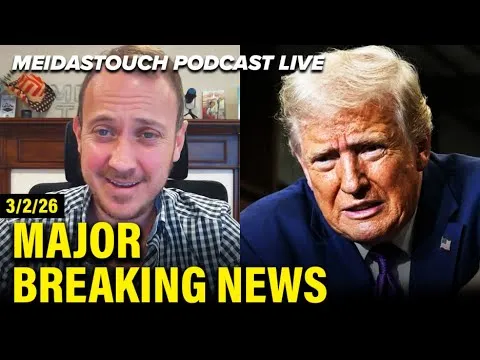
Iran Escalates: Trump’s Disastrous Diplomacy Sparks Global Concern
In a rapidly developing geopolitical landscape, the MeidasTouch podcast hosts provided a stark analysis of escalating tensions with Iran, a series of questionable public appearances by Donald Trump and Pete Hegseth, and the release of deposition transcripts from the Clinton era. The discussion, framed by a date of March 2, 2026, paints a picture of a world grappling with the immediate consequences of aggressive foreign policy and the lingering specter of past political battles.
The Iran Crisis: A Descent into Chaos?
The most alarming development highlighted is the swift and seemingly uncontrolled escalation of conflict with Iran. The hosts express deep concern over how a situation, which may have begun with specific objectives, has rapidly spiraled into a broader crisis. While the transcript does not detail the specific triggers or actions leading to this escalation, it strongly implies a lack of strategic foresight and a potentially dangerous overreliance on military posturing rather than diplomatic solutions. The narrative suggests a scenario where initial actions have unforeseen and escalating consequences, leading to a loss of control over the situation.
The implications of such an escalation are vast, potentially destabilizing the entire Middle East region, disrupting global energy markets, and risking a wider conflict. The hosts’ tone suggests a significant departure from measured foreign policy, leaning towards impulsive decision-making with potentially catastrophic outcomes. This raises critical questions about the leadership’s crisis management capabilities and the long-term strategy, if any, guiding these actions.
Disastrous Appearances: Trump and Hegseth Under Fire
Adding to the disquiet, the podcast discusses what are described as “disastrous appearances” by Donald Trump and Pete Hegseth. While the specifics of these appearances are not detailed in the provided transcript, the description implies that their public statements or actions related to the Iran crisis, or other significant events, have been poorly received, raised more questions than answers, and potentially undermined efforts to manage the unfolding situation. This suggests a pattern of communication or behavior that is not only unhelpful but actively detrimental to achieving stable outcomes.
The involvement of figures like Pete Hegseth, often associated with hawkish foreign policy stances, alongside Trump, raises concerns about the nature of the advice and the direction of policy. The hosts seem to be suggesting that these appearances have contributed to confusion and doubt, rather than providing clarity or reassurance. In moments of international crisis, consistent and credible communication is paramount, and any deviation from this can have serious repercussions.
Clinton Depositions: Echoes of the Past
The release of deposition transcripts of Hillary and Bill Clinton before the House Oversight Committee provides a stark contrast, bringing a different kind of political drama into focus. While the exact content of these depositions is not elaborated upon, their release signifies a renewed examination of past controversies and potentially sensitive information. This event, occurring alongside the escalating Iran crisis, highlights the cyclical nature of political scrutiny and the enduring impact of past events on the present political narrative.
The inclusion of this topic suggests that the MeidasTouch hosts view these revelations as significant, perhaps offering insights into political maneuvering, accountability, or the historical context of current political dynamics. It serves as a reminder that contemporary political discourse is often shaped by historical precedents and ongoing investigations.
Why This Matters
This confluence of events—an escalating international crisis, questionable public leadership, and the resurfacing of past political battles—presents a critical juncture. The analysis from MeidasTouch underscores the fragility of geopolitical stability and the profound impact of leadership decisions, particularly in foreign policy. The discussion serves as a potent reminder that the effectiveness of diplomacy, the clarity of communication, and the strategic handling of international relations are not abstract concepts but have tangible, real-world consequences.
The critique of “disastrous appearances” points to a broader trend in political communication where authenticity and strategic messaging are often at odds, leading to public confusion and eroding trust. In an era saturated with information and misinformation, the ability of leaders to communicate effectively and responsibly is more crucial than ever. Furthermore, the re-examination of past political events, like the Clinton depositions, highlights the persistent influence of history on current affairs and the ongoing quest for accountability.
Implications, Trends, and Future Outlook
The implications of the escalating Iran crisis are dire. A prolonged conflict could lead to significant loss of life, economic hardship, and a further destabilization of an already volatile region. The hosts’ concerns suggest a potential for miscalculation and unintended consequences, a recurring theme in international relations. The trend of aggressive rhetoric and military posturing, without a clear diplomatic exit strategy, is a dangerous path that could lead to protracted conflict.
The “disastrous appearances” by Trump and Hegseth may reflect a broader trend of political figures prioritizing strongman imagery or partisan messaging over nuanced policy discussion. This can alienate allies, embolden adversaries, and leave the public uncertain about the nation’s direction. The future outlook, given these dynamics, appears uncertain, with a potential for increased global instability and domestic political polarization.
The release of the Clinton depositions, while seemingly a separate issue, speaks to the enduring nature of political investigations and the public’s appetite for accountability. This trend suggests that political figures, past and present, will continue to be held to account for their actions, influencing the political landscape for years to come. The future may see a continued emphasis on transparency and the examination of historical records to inform contemporary political judgments.
Historical Context and Background
The tensions with Iran have a long and complex history, marked by decades of fluctuating diplomatic relations, proxy conflicts, and significant geopolitical events, including the 1979 revolution, the Iran-Iraq War, and the ongoing nuclear program debates. Any escalation today occurs against this backdrop of deep-seated mistrust and regional power struggles. Understanding this history is crucial to grasping the potential ramifications of current actions.
Similarly, the political scrutiny of figures like the Clintons is part of a broader, historical pattern of intense partisan investigations and public discourse surrounding political careers. The release of deposition transcripts is a modern iteration of this long-standing tradition of examining political actions and decisions, often through the lens of partisan politics.
Conclusion
The MeidasTouch analysis, as presented, paints a concerning picture of a world facing escalating international conflict, leadership challenges, and the persistent echoes of past political battles. The hosts’ commentary serves as a call for greater strategic thinking, clearer communication, and a deeper understanding of the historical context that shapes present-day crises. The events discussed highlight the critical importance of responsible leadership and the profound impact of policy decisions on both domestic and international stability.
Source: LIVE: MeidasTouch RESPONDS to MAJOR BREAKING NEWS – 3/2/26 (YouTube)

Related Articles
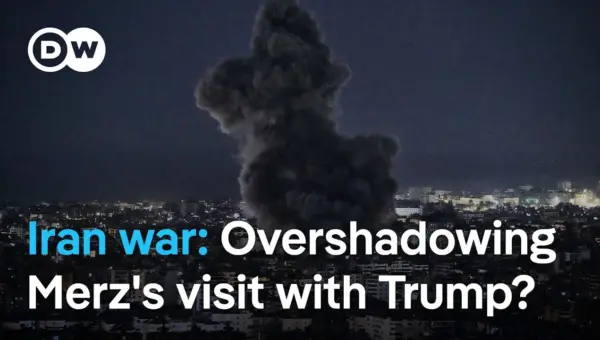
Germany Weighs Mideast Conflict Amid Trump-Merz White House Summit
German Chancellor Friedrich Merz meets President Trump in Washington amid escalating U.S.-Israeli military actions in Iran. The talks will focus on regional security, Germany's cautious stance, and potential implications for European stability and trade.

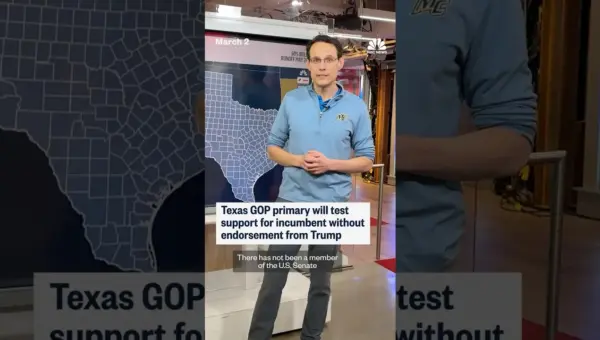
Texas Senate Race: Cornyn Faces Tough Primary Without Trump’s Backing
Senator John Cornyn faces a significant challenge in his Texas GOP primary re-election bid, potentially becoming the first incumbent denied renomination since 2012. The race, likely headed for a runoff between Cornyn and Attorney General Ken Paxton, tests party loyalty and the influence of endorsements.
Trump’s Ballroom Dreams Overshadow Heroes’ Sacrifices
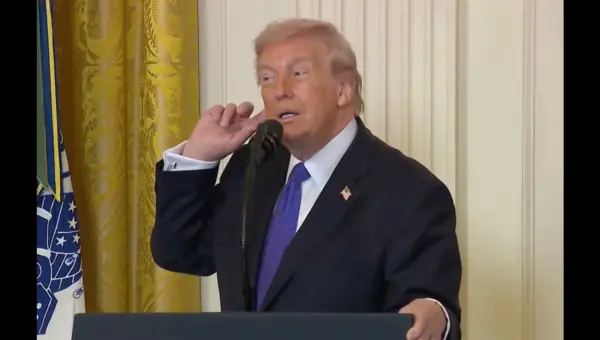
A public ceremony honoring Medal of Honor recipients was overshadowed by then-President Trump's extensive remarks on building renovations and a personal ballroom project. This incident is presented as a microcosm of a broader pattern of self-focus, questionable policy decisions, and unfulfilled promises, raising questions about true leadership priorities.