Iran Escalates, Trump Falters Amidst Global Conflict
Iran's alleged use of "escalation dominance" in response to attacks on its energy facilities has heightened global tensions. Reports suggest retaliatory strikes on Qatar and Saudi Arabia, impacting global energy supplies and leading to strong rhetoric from President Trump.

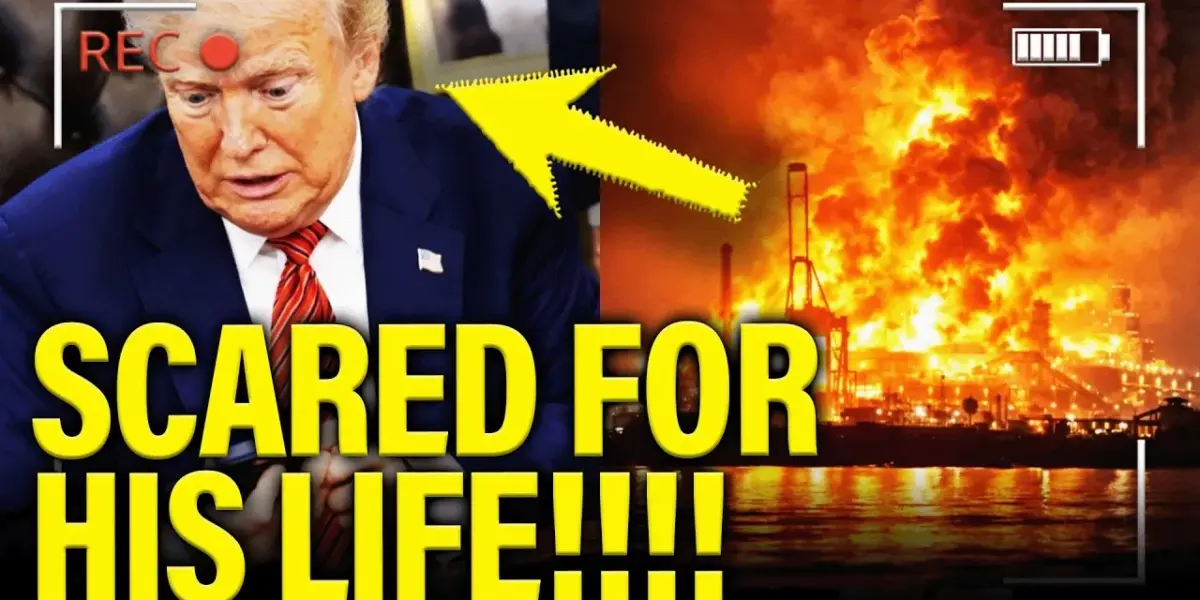
Iran Escalates, Trump Falters Amidst Global Conflict
Tensions are running high as Iran’s actions appear to be directly challenging the United States and its allies. Reports suggest Iran is employing a strategy called “escalation dominance,” a tactic where a nation responds to aggression with a calculated, often more severe, counter-attack. This approach seems to be aimed at demonstrating strength and control in the face of perceived threats.
The situation reportedly escalated after a joint attack by the United States and Israel on Iran’s South Pars facility, a critical gas field. In response, Iran allegedly targeted energy infrastructure in Qatar, a move that could significantly impact global energy markets by potentially disrupting 20% of the world’s liquefied natural gas supply. This action has reportedly angered Qatar, with their government condemning the initial attack.
Further complicating matters, Iran is also accused of striking energy fields in Saudi Arabia. These actions, coupled with warnings from Iranian officials about an “eye for an eye” response, signal a significant increase in regional conflict. The head of Iran’s parliament has stated that a new level of confrontation has begun, emphasizing their commitment to retaliatory actions.
Behind the Escalation: A Pattern of Retaliation
The current events are framed by some analysts as a direct consequence of earlier actions. The attack on the South Pars facility is seen by Iran as a provocation. Their response, targeting Qatar’s Ross Lefan facility, which supplies a substantial portion of global liquefied natural gas, demonstrates a willingness to inflict significant economic pain on those perceived as adversaries.
Reports indicate that the Ross Lefan facility in Qatar was hit multiple times, suggesting Iran’s sustained commitment to this retaliatory strategy. Similar strikes have reportedly occurred against facilities in Riyadh, Saudi Arabia. This pattern suggests a deliberate and coordinated effort by Iran to disrupt energy supplies and challenge the security of its regional rivals.
Trump’s Response: A Shift in Stance?
Following these developments, there are indications of a shift in the United States’ public position. Reports suggest that President Trump is attempting to distance the U.S. from the initial attack on the South Pars facility, despite earlier information suggesting joint involvement with Israel. This apparent pivot could be an attempt to de-escalate tensions or manage the fallout from Qatar’s anger.
“The United States knew nothing about this particular attack and the country of Qatar was in no way, shape or form involved with it,” a statement attributed to President Trump reportedly declared. This statement, however, contrasts with earlier reporting that indicated U.S. and Israeli collaboration.
President Trump’s public statements have also included strong warnings against further attacks on Qatar’s energy infrastructure. He has vowed massive retaliation against Iran if such an event occurs, even suggesting the U.S. would act independently of Israel. This strong rhetoric, however, is met with skepticism by some who view it as an attempt to project strength rather than a reflection of actual policy.
A Wider Conflict and Global Impact
The implications of this escalating conflict extend beyond the immediate region. The disruption of global energy supplies could lead to significant price increases for oil and gas, impacting economies worldwide and causing hardship for consumers. The current price of oil, reported to be over $110 per barrel, is seen as a direct consequence of these geopolitical tensions.
Furthermore, there are concerns about the potential for even greater escalation. Reports suggest the World Health Organization is preparing for a potential nuclear catastrophe in the Middle East, highlighting the severe risks involved if the conflict spirals out of control. This underscores the gravity of the situation and the need for careful diplomatic management.
Historical Context and Future Outlook
The current situation echoes past conflicts in the Middle East, where actions and reactions have often led to prolonged periods of instability. The use of energy infrastructure as a target is a tactic that has been seen before, aimed at crippling an adversary’s economy. The strategy of “escalation dominance” suggests a long-term plan by Iran to assert its influence and deter further aggression.
The involvement of multiple global powers and the potential for widespread economic and humanitarian consequences make this a critical juncture. The coming days and weeks will be crucial in determining whether de-escalation is possible or if the region is heading towards a more dangerous phase of conflict. The effectiveness of diplomatic channels and the ability of international actors to manage the situation will be key in preventing a wider catastrophe.
Why This Matters
This situation is significant because it highlights the complex and volatile nature of international relations, particularly in regions vital to global energy supplies. The actions taken by Iran, the United States, and Israel have immediate and potentially long-lasting effects on global stability, energy security, and the well-being of populations worldwide. The narrative presented suggests a dynamic where perceived aggression leads to retaliatory measures, creating a cycle that is difficult to break. The potential for miscalculation and unintended consequences is extremely high, making the current geopolitical climate a cause for serious concern.
Implications and Future Outlook
The current trajectory suggests a continued struggle for influence and security in the Middle East. Iran’s strategy of “escalation dominance” implies a sustained effort to challenge established powers and assert its own regional standing. The United States’ response, including potential troop deployments and strong rhetoric, indicates a commitment to maintaining its presence and influence, but also raises questions about the long-term strategy and its effectiveness.
The global economic impact, particularly on energy prices, is a significant concern. If energy supplies are consistently disrupted, it could lead to inflation, economic slowdowns, and increased hardship for consumers. The potential for a wider conflict, including the catastrophic scenario of nuclear escalation, remains a grave threat that requires urgent attention from the international community. The future outlook depends heavily on diplomatic efforts, de-escalation strategies, and the ability of all parties involved to avoid further missteps.
Source: Trump PANICS as War THREATENS HIS LIFE!! (YouTube)

Related Articles


Iran Targets US With Cyberattacks, Escalating Digital Warfare
Iran is increasingly using cyberattacks to challenge the U.S., as seen in a recent hack of the FBI director's account. Experts say this is a strategic shift due to Iran's limitations in conventional warfare. The U.S. needs to strengthen its digital defenses, focusing on encryption and cloud computing, rather than solely relying on traditional security measures.

Iran Hacks FBI Chief, Exposing U.S. Cyber Vulnerabilities
A recent hack of FBI Director Kash Patel's personal email by an Iran-linked group highlights Iran's growing cyber threat to the U.S. Experts explain how simple security oversights are exploited, emphasizing the need for basic defenses like two-factor authentication to protect against propaganda and potential infrastructure attacks.
Ukraine Strikes Russian Oil Refinery, Eyes Iran Threat
Ukrainian forces struck a key Russian oil refinery, disrupting Moscow's war capabilities. Meanwhile, Finland's president urged continued U.S. support for Ukraine, as Kyiv shares its air defense expertise globally amid growing geopolitical complexities involving Iran and potential sanctions against Hungary.