Iran Escalates Regional Tensions, Posing New Threats to US
Iran is escalating regional tensions by threatening to block the Strait of Hormuz and exploring new fronts, potentially including sleeper cells within the U.S. The conflict has extended to Dubai, and a recent U.S. missile strike on a school in Iran has added a tragic dimension to the ongoing geopolitical crisis.

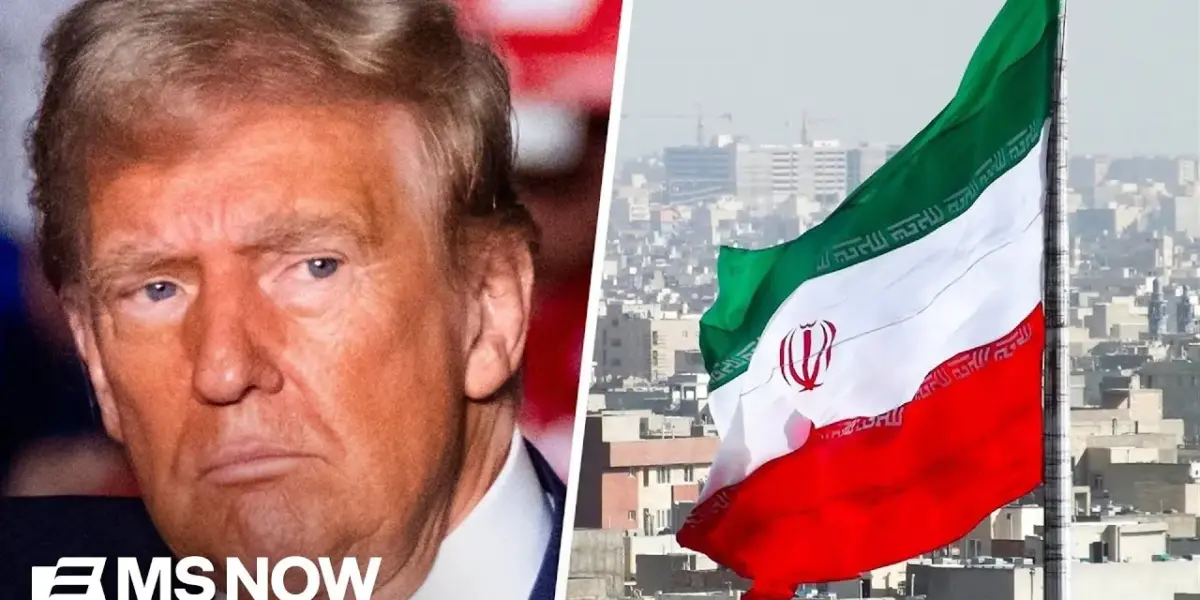
Iran’s Strategic Blockade Threatens Global Oil Flow
Iran’s new supreme leader has unveiled a strategy aimed at disrupting global oil markets by threatening to block the Strait of Hormuz, a critical chokepoint for international shipping. This move has raised alarms among energy officials and military strategists, with the U.S. Energy Secretary admitting the Navy is not yet prepared to escort oil tankers through the vital waterway. The delay, expected to last at least two more weeks, could lead to continued spikes in oil prices, impacting the global economy. The U.S. military’s $800 billion annual budget, exceeding that of all other nations combined, prompts questions about the preparedness and planning failures that have led to this vulnerability.
New Fronts and Sleeper Cells: Iran’s Expanding Capabilities
Beyond the Strait of Hormuz, Iran is reportedly considering opening new fronts in the ongoing conflict, potentially involving regional proxies like the Houthis and Iraqi Shia militias. A recent article in The Atlantic highlighted concerns about Iran’s capabilities in the West, pointing to incidents such as attacks on the U.S. Embassy in Norway and a synagogue in Belgium. More disturbingly, intelligence suggests Iran may be capable of acting within the United States itself. Operatives linked to Hezbollah have been arrested in the past for casing targets in major U.S. cities, including Times Square and Rockefeller Center. One operative even confessed to being part of a sleeper cell within the U.S., raising the specter of domestic attacks should Iran feel it has nothing left to lose. Experts believe that if Iran were ever to deploy such assets, the current geopolitical climate would be the opportune moment.
Dubai Under Fire: The Shifting Battlefield
The conflict has extended to Dubai, a major business hub in the region, with recent strikes targeting civilian areas, including a luxury hotel. While Dubai officials have been cautious about releasing images of damage, the attacks underscore the expanding reach of Iran’s military actions. The targeting has become more strategic, with a relentless focus on the Dubai airport, a critical transit point, and continued assaults on ships and oil infrastructure in the Strait of Hormuz. This open display of the war’s realities, even if it deters business, forces Gulf nations into a difficult position. Their long-held image as prosperous and quiet havens for investment is now challenged, even as they rely on a significant U.S. military presence that ironically also makes them a target.
The Strait of Hormuz: A Persistent Threat
The Strait of Hormuz remains a central focus of the conflict. The UAE, situated on both sides of the strait, has witnessed attacks on ships in the Persian Gulf and the Gulf of Oman. Giant oil tankers, visible from the coasts, appear to be easy targets, vulnerable not only as they transit the strait but also in the waters north of the UAE and on the eastern side of the strait. This ongoing and aggressive action by Iran, leveraging what may be its most potent strategic card, continues to exert pressure on global energy supplies.
Iran’s Resilience and Adapting Tactics
Despite significant initial setbacks and the loss of key leadership, Iran appears to be adapting its tactics. While its ballistic missiles have proven less effective, the regime is utilizing drones with increasing efficacy. Countries like Kuwait, the UAE, and Qatar, which lack the sophisticated missile defense systems of Israel’s Iron Dome, are particularly vulnerable to these drone attacks. Iran has identified these weak points, focusing its efforts on the Strait of Hormuz and drone incursions into the Persian Gulf. This resilience challenges the notion that Iran has little left to target, indicating continued military capability.
Tragic Miscalculation: The School Bombing Incident
A preliminary investigation at the Pentagon has revealed that U.S. missiles were responsible for striking a school in Iran, resulting in the deaths of nearly 200 people, many of them children. While officials are investigating whether AI models contributed to the error, human error is currently cited as the primary cause. Satellite imagery reviewed by The New York Times shows that the building, previously part of a military base, had been converted into a school with playgrounds and new entrances, features that were allegedly overlooked in the targeting process. This tragic incident, potentially the worst civilian casualties for the U.S. military in decades, provides Iran with potent propaganda material. Critics argue that the U.S. administration missed an opportunity to seize the high ground by admitting the mistake and owning up to it, instead opting for deflection, which inadvertently benefits Iran’s information operations.
Assessing the Broader Conflict and Future Outlook
Despite claims of victory from the U.S. President, the strategic goal of regime change in Iran has not been achieved. While the U.S. military has inflicted significant damage on Iran’s naval and air capabilities, degraded its missile program, and eliminated key leaders, Iran’s political and military leadership remains intact. This leaves the U.S. in an awkward position, facing conventional operational successes but a stalled strategic objective. The crucial questions moving forward are what the next steps will be, who will fill the power vacuum if the regime were to transform, and whether the U.S. is prepared for a prolonged, potentially more bloody conflict. Analysts are closely watching for signs of defections within Iran’s military and security services, or for these elements to turn their weapons against the regime, as indicators of potential collapse. Currently, there is no evidence to suggest such a scenario is imminent, pointing to the regime’s continued survival.
Source: If Iran were ever going to use sleeper cells in U.S. 'it would be now': Researcher (YouTube)

Related Articles
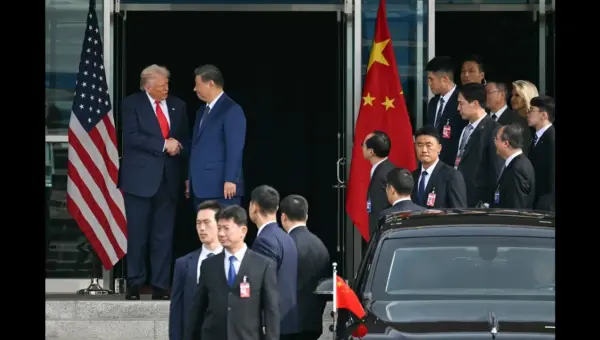
Trump’s “Walk Away” Tactic Signals Tougher Stance on China
Retired Air Force Brigadier General David Stillwell believes President Trump's strategy of being willing to walk away from negotiations puts pressure on China. This tactic, combined with US global actions and strengthened alliances, signals a more assertive American foreign policy.
China Fights Back: Tariffs Loom Ahead of Trump Visit
China is retaliating against US trade investigations that could lead to higher tariffs. This escalating trade tension occurs just before a planned visit by President Trump. The dispute involves accusations of unfair practices and impacts global supply chains.


Israelis Forge Resilience Amidst Constant Bomb Shelter Drills
Life in Israel is a blend of resilience and constant vigilance, with many families adapting to frequent bomb shelter drills and even sleeping in makeshift shelters. Despite ongoing missile attacks, Israelis strive to maintain normalcy, though businesses face disruption and emotional fatigue is a growing concern.