Iran Escalates Middle East Conflict, Challenging Trump’s Peace Hopes
Iran is escalating its regional conflict by targeting critical energy infrastructure across the GCC and Iraq, impacting global oil exports. This expansion challenges optimistic timelines for conflict resolution and increases economic pressure on importing nations like the European Union.


Iran Expands Regional Conflict, Targeting Global Oil Supply
Iran is actively escalating its involvement in the ongoing regional conflict, extending attacks to critical energy infrastructure across the Gulf Cooperation Council (GCC) states. This expansion of hostilities, marked by recent assaults on ship terminals and vessels in Basra, Iraq, directly impacts global oil exports, including those crucial to the European Union. The widening scope of the conflict suggests that any hopes for a swift resolution, particularly those attributed to former President Donald Trump, may be overly optimistic, as Iran appears poised to increase the cost of the war through continued disruption.
Basra Attacks Signal New Phase of Escalation
The recent attacks in Basra, Iraq, represent a significant development in the escalating regional tensions. By targeting ship terminals and the vessels themselves, Iran is directly impacting the flow of Iraqi oil to international markets. This strategic move brings major energy importers, such as the European Union, into the direct economic consequences of the conflict. The choice of Basra, a key port for Iraqi oil exports, underscores the calculated nature of Iran’s actions, aimed at maximizing pressure on the global economy and potentially influencing international policy.
Challenging Trump’s ‘Wishful Thinking’ on Conflict Resolution
The assertion that Iran is expanding the war directly challenges the notion that a quick end to the conflict is feasible. The ongoing disruptions to energy infrastructure suggest a sustained effort by Iran to leverage its position and increase the economic stakes for all involved parties. This perspective implies that former President Trump’s expressed desire for a rapid resolution may be based on a miscalculation of Iran’s strategic objectives and its capacity to prolong and intensify the conflict. Iran’s actions indicate a willingness to push the price of the war higher on a daily basis, making a swift de-escalation increasingly unlikely.
Broader Implications for Global Energy Markets
The attacks on energy infrastructure in the GCC and Iraq have immediate and far-reaching implications for global energy markets. By disrupting the supply of oil from a key producing region, Iran is creating volatility and uncertainty. This can lead to significant price fluctuations, impacting economies worldwide, particularly those heavily reliant on imported oil. The European Union, identified as a major importer affected by the Basra attacks, faces the prospect of higher energy costs and potential supply shortages. This situation could force a re-evaluation of energy security strategies and accelerate the transition to alternative energy sources, though such shifts are typically long-term endeavors.
Iran’s Strategic Objectives and Leverage
Iran’s calculated expansion of the conflict appears to be a strategic play to exert leverage on the international stage. By targeting the global energy supply chain, Tehran aims to demonstrate its capacity to disrupt the economic stability of its adversaries and allies alike. This strategy allows Iran to increase the perceived cost of any confrontation, potentially dissuading further escalation against it. The daily increase in the price of this conflict, as stated, suggests a deliberate and sustained campaign to achieve specific geopolitical objectives, likely related to sanctions relief, regional influence, or a broader challenge to the existing international order.
Looking Ahead: The Path to De-escalation
The current trajectory of the conflict indicates a challenging path toward de-escalation. Iran’s continued expansion of attacks and its apparent willingness to sustain economic pressure suggest that a diplomatic breakthrough may be distant. Future developments will likely hinge on the international community’s response to these provocations, the economic resilience of affected nations, and Iran’s own evolving strategic calculations. Observers will be closely watching for any shifts in diplomatic engagement, potential retaliatory measures, and the ongoing impact on global energy security as the situation continues to unfold.
Source: Iran is expanding the war; Trump’s wishful thinking of a quick end | DW News (YouTube)

Related Articles

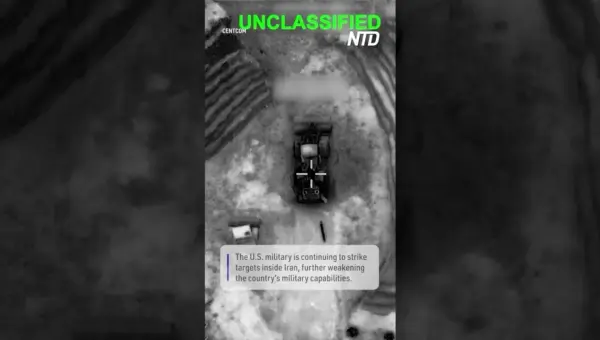
US Strikes Cripple Iran’s Military Might, CENTCOM Reports
U.S. Central Command reports ongoing strikes inside Iran are significantly weakening its military power. This direct action aims to reshape regional security dynamics, but carries risks of escalation. The long-term impact depends on Iran's response and ability to adapt.


Iran Targets US With Cyberattacks, Escalating Digital Warfare
Iran is increasingly using cyberattacks to challenge the U.S., as seen in a recent hack of the FBI director's account. Experts say this is a strategic shift due to Iran's limitations in conventional warfare. The U.S. needs to strengthen its digital defenses, focusing on encryption and cloud computing, rather than solely relying on traditional security measures.

Iran Hacks FBI Chief, Exposing U.S. Cyber Vulnerabilities
A recent hack of FBI Director Kash Patel's personal email by an Iran-linked group highlights Iran's growing cyber threat to the U.S. Experts explain how simple security oversights are exploited, emphasizing the need for basic defenses like two-factor authentication to protect against propaganda and potential infrastructure attacks.