Iran Escalates Global Conflict, Threatens World Economy
Yemen's Houthi rebels have officially joined the conflict, launching ballistic missiles at Israel and escalating regional tensions. This move threatens vital shipping lanes like the Red Sea's Bab al-Mandab strait, potentially causing catastrophic economic consequences. Meanwhile, US soldiers have been injured in Iranian missile strikes, adding to the mounting human and financial costs of the escalating war.

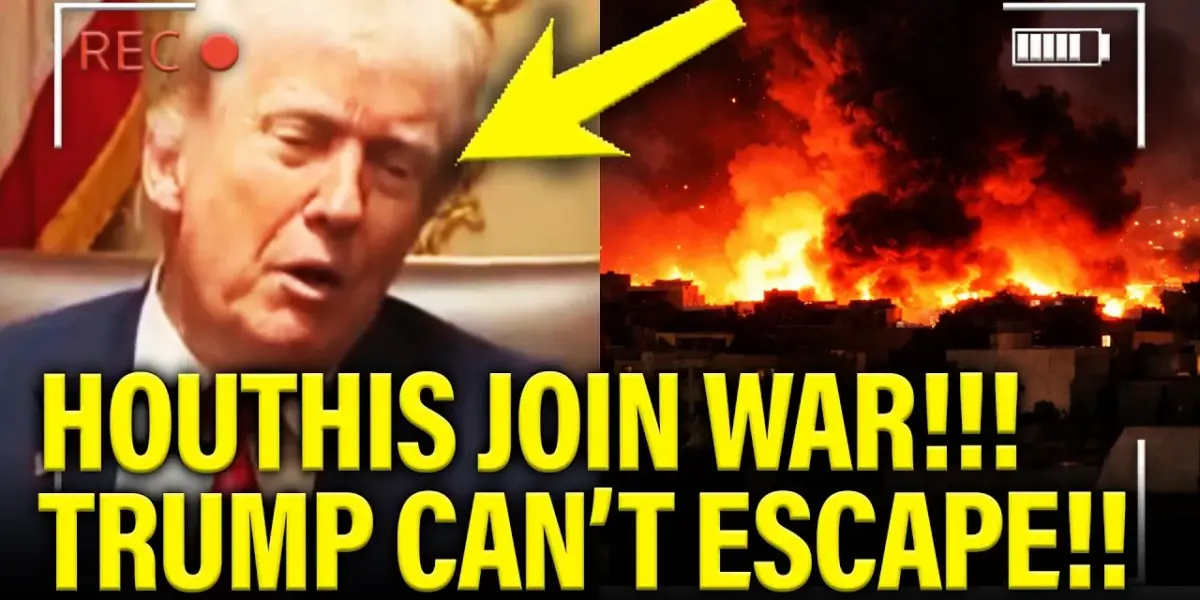
Iran’s Growing Influence Threatens Global Stability and Economy
The conflict involving Iran has dramatically intensified, with Yemen’s Houthi rebels officially entering the fray. This escalation, marked by the Houthis launching ballistic missiles at Israel, signals a worrying new phase. Previously, the Houthis had waited for Iran’s signal to act. Now, their involvement directly impacts a wider region and raises serious concerns about global trade routes.
Disrupting Vital Trade Routes
The Houthis have already shown they can disrupt shipping in the Red Sea. While much attention has focused on Iran controlling the Strait of Hormuz, a critical chokepoint for oil exports, the Red Sea is equally vital. The Strait of Bab al-Mandab, located there, could be shut down by the Houthis. Such a move would have devastating consequences for the world economy, far beyond what we’ve already seen.
Iran appears to be timing its responses to international actions. The activation of the Houthis suggests a coordinated effort to counter perceived aggression from the United States and Israel. The missile attacks on Israel indicate that this coordinated action is now underway.
Attacks on US Forces and Economic Fallout
Adding to the gravity of the situation, US soldiers have been seriously injured in Iran’s ballistic missile strikes on a military base in Riyadh. Reports indicate at least 12 soldiers were hurt, with two critically. The transcript suggests the actual number of injured and the severity of their wounds might be higher than officially reported. This follows a separate incident last week where 14 people, possibly from the same base, were injured.
The total number of American soldiers injured in the conflict now exceeds 300, a figure that may also be an underestimate. The economic costs are staggering. Billions are spent daily on the war, while trillions have been lost in the markets. Rising oil prices are making gasoline unaffordable for many in the United States, and inflation is surging, creating widespread economic hardship.
Iran’s Conditions for Negotiation
A Houthi leader previously stated their potential involvement depended on several factors, including new alliances with the US and Israel, the use of the Red Sea for attacks, or continued escalation against Iran and its allies. The recent coordinated strikes by the US and Israel on Iran’s major steel plants seem to have triggered this response.
Iran’s Foreign Minister stated that Israel’s attacks on steel factories, a power plant, and a nuclear site, conducted with US coordination, contradict any diplomatic efforts. He vowed that Iran would make Israel pay a heavy price for these actions. In response, both Israel and the United States have conducted bombings in various Iranian cities, while Iran has launched missiles and drones at targets in Israel and US bases in Gulf nations like Bahrain, the UAE, and Kuwait. Explosions have also been reported in Damascus, Syria.
Iran’s Strengthened Position
The Strait of Hormuz is effectively under Iran’s control, with reports of Iran charging tolls for passage. Countries allied with Iran, like Thailand, have negotiated passage for their tankers. This situation has severely impacted global markets, with major US stock indexes in correction territory. Oil prices have surged, reaching $114 per barrel and are expected to climb higher.
The transcript argues that despite claims of diplomatic progress, Iran remains in a stronger position. Iran controls the Strait of Hormuz, the Islamic Republic is still in power, and the Iranian Revolutionary Guard Corps has grown more influential. Iran is earning more money, selling more oil, especially after the US removed sanctions on its oil exports.
Iran’s Non-Negotiables
Iran has outlined its non-negotiable terms for any potential talks. They are not interested in discussions unless their conditions are met. These include: retaining their ballistic missiles and drone production, the future ability to enrich uranium, full reparations for war damages, security guarantees against attacks by the US and Israel, an apology, and the removal of US military bases from the region. Without agreement on these points, Iran states it will not engage in negotiations.
Focus on Domestic Issues Amidst Global Crisis
Amidst this escalating global crisis, the focus on domestic issues, such as the renovation of the White House West Walkway and the Rose Garden, is highlighted as a stark contrast to the suffering of American troops and the economic turmoil faced by the public. The US is deploying additional naval assets and military units, including an aircraft carrier, to the region, indicating a potential for further military engagement, possibly including a ground invasion of an Iranian island.
The reliability of official reports is also questioned, particularly concerning incidents involving US naval vessels. The official explanation of a laundry fire on the USS Gerald R. Ford, which had to undergo repairs, is contrasted with earlier claims by Donald Trump about Iranian drone swarms hitting a ship. Trump’s public statements and actions, including his focus on domestic construction projects and criticism of NATO, are presented as distractions from the severe geopolitical and economic realities.
Market Manipulation Concerns
There are also concerns about market manipulation. Reports suggest attempts to influence market behavior before the futures markets open, with claims that markets have become numb to such tactics. Iranian officials have stated that while paper markets might be manipulated, they ultimately control the oil supply.
The situation is described as a massive escalation with widespread economic calamity. The involvement of the Houthis, combined with strikes in various nations and retaliatory actions, suggests a conflict spiraling out of control. The ongoing events highlight a critical moment where geopolitical tensions are directly impacting global security and economic stability.
Source: Trump PANICS as HOUTHIS ENTER WAR!!! (YouTube)

Related Articles


Trump’s Iran Claims: Shocked or Deluded by War Games?
Donald Trump claimed surprise over Iran's actions in the Strait of Hormuz, but experts suggest retaliation was inevitable. Military war games likely predicted such a scenario, raising questions about the advice given to the President.

Israel’s Strategy Against Iran Revealed
Israel's strategy to counter Iran's nuclear ambitions and regional influence centers on containment, utilizing a mix of covert military actions, intelligence operations, and diplomatic pressure. Analysts highlight the growing urgency due to Iran's nuclear advancements, while also noting the persistent risk of escalation in the volatile Middle East.

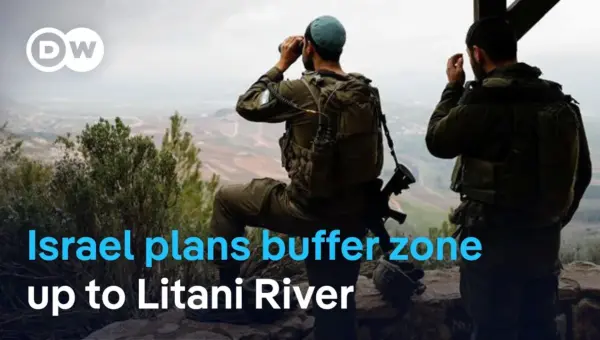
Israel Eyes Lebanon Buffer Zone: A Political Ploy?
Israel's military operations in southern Lebanon aim to create a buffer zone and pressure Hezbollah, according to expert Yazid Sayigh. He argues the strategy is more political than military, echoing historical tactics. The ongoing conflict could destabilize Lebanon further, while Hezbollah fights for survival.