Iran Escalates Conflict: Missile Strikes Near US Troops
Iran has launched ballistic missiles near U.S. troops and struck targets in Iraq and the UAE, escalating regional tensions. The U.S. has responded with strikes on underground military sites within Iran. The conflict highlights ongoing concerns over energy infrastructure and the strategic Strait of Hormuz.

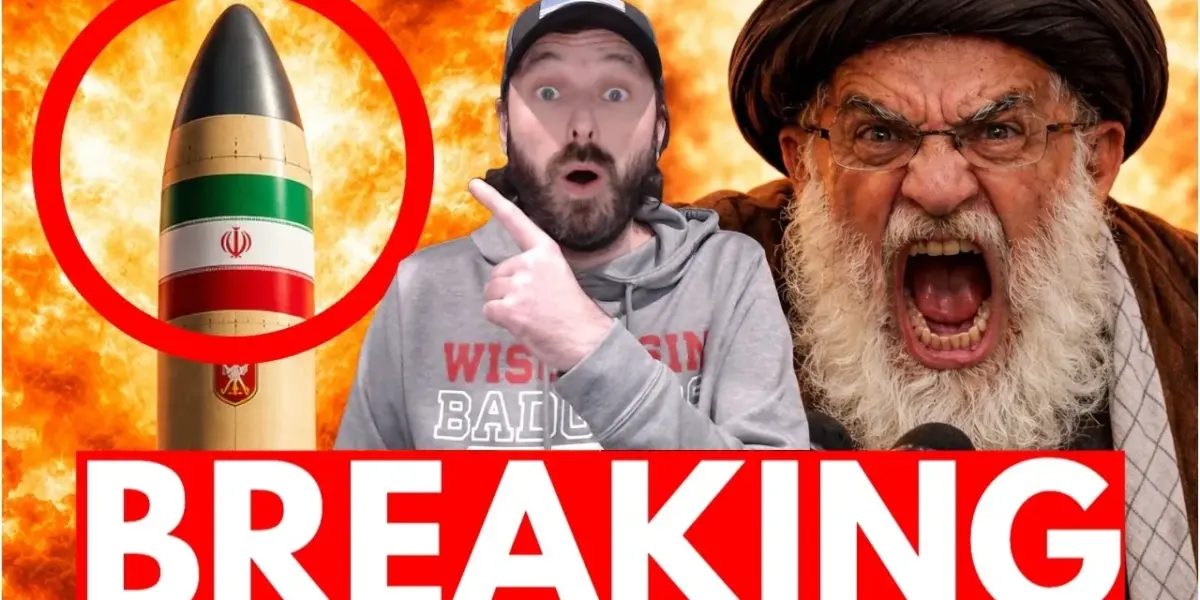
Iran Escalates Conflict: Missile Strikes Near US Troops
On April 1st, reports emerged of Iran launching ballistic missiles in the Middle East, directly impacting areas near U.S. troops and hitting strategic targets. This escalation marks a significant development in ongoing regional tensions, with footage showing the terrifying proximity of a missile strike to a bunker housing American soldiers. While no casualties were reported among the troops, the incident highlights the volatile nature of the current conflict.
Terrifying Near Miss for US Troops
Footage released depicts an Iranian ballistic missile narrowly missing a bunker where U.S. soldiers were stationed in the Gulf region. The video, described as “absolutely terrifying,” shows the speed and power of the missile as it impacts the ground perilously close to the troops’ position. The sounds from the video indicate that the soldiers were unharmed, with one person heard saying, “Everybody over here’s good.” This close call underscores the direct danger faced by military personnel in the region.
Major Strike in Iraq and UAE Attacks
Beyond the incident involving U.S. troops, Iran also conducted significant strikes elsewhere. In Iraq, the British Castrol motor oil company in Erbil was hit by at least two Iranian Ashahi drones, causing a massive fire and extensive damage. While no casualties were reported, the facility appears to have been heavily damaged, if not destroyed. The United Arab Emirates (UAE) also reported being targeted, announcing that Iran fired five ballistic missiles and 35 drones within a 24-hour period. This adds to a substantial number of attacks against the UAE, with the report noting it has been targeted more than Israel in this conflict, a strategic choice that remains unexplained.
Qatar Targeted, Oil Tanker Hit
Further escalating the situation, Qatar announced it was targeted by three cruise missiles from Iran. While Qatari armed forces successfully intercepted two of the missiles, the third struck an oil tanker leased to Qatar Energy in its economic waters. The crew of 21 on board were evacuated without injury. This attack on an oil tanker reinforces Iran’s continued focus on energy infrastructure, potentially aiming to disrupt vital shipping lanes like the Strait of Hormuz.
US Retaliation and Strategic Strikes
In response to these actions, the United States has continued its air campaign against Iranian targets. Footage shows massive explosions within Iran, indicating significant U.S. strikes. U.S. Central Command (Centcom) announced that precision munitions were used against underground military targets deep inside Iran. These strikes aimed to degrade Iran’s ability to project power and targeted underground ammunition depots and missile sites. Satellite imagery shows a key uranium processing site, the Yellow Cake plant, was obliterated, along with another building likely used by senior military or government officials.
Political Reactions and Historical Context
The events have drawn reactions from political figures. Former President Donald Trump commented on the Strait of Hormuz, suggesting that if other countries want oil and gas, they should be able to fend for themselves and that the U.S. would have nothing to do with it. He stated that countries like China would be able to fuel their ships and take care of themselves. The speaker in the transcript emphasized the strategic importance of controlling the Strait of Hormuz, warning that Iran gaining control would be an “epic strategic failure.” Senator Marco Rubio condemned Iran’s actions, calling the bombing of ships and commercial shipping “terroristic acts.” He drew parallels to actions taken during World War II, highlighting the illegality and severity of such attacks on international shipping.
Why This Matters
This series of attacks and counter-strikes signifies a dangerous escalation in the region. Iran’s direct targeting of areas near U.S. troops, combined with strikes on energy infrastructure and industrial sites, demonstrates a willingness to inflict significant damage and disrupt global energy markets. The U.S. response, targeting underground facilities and nuclear-related sites, shows a commitment to degrading Iran’s military capabilities. The situation highlights the complex geopolitical dynamics at play, with potential implications for global oil prices, regional stability, and the broader international security landscape. The continued focus on the Strait of Hormuz remains a critical concern, as any disruption there could have far-reaching economic consequences.
Implications, Trends, and Future Outlook
The ongoing conflict suggests a trajectory of continued military action from both sides. Iran’s persistent attacks, despite U.S. responses, indicate a resolve to continue its current strategy. The U.S. emphasis on degrading Iran’s ability to project power suggests a long-term approach to containment. A key trend is the targeting of energy infrastructure, which directly impacts global economies. The future outlook remains uncertain, with the potential for further escalation or a diplomatic resolution contingent on numerous factors, including international pressure and the internal political situations within Iran and the involved global powers.
Historical Context and Background
The current tensions are rooted in decades of complex relations between Iran and the United States, as well as broader regional rivalries. Events such as the Iranian Revolution in 1979, subsequent U.S. sanctions, and proxy conflicts have shaped the current environment. Iran’s development of ballistic missile and drone technology has been a significant factor in its ability to project power and challenge adversaries. The strategic importance of the Strait of Hormuz, a vital chokepoint for global oil transport, has long been a point of contention and a potential flashpoint for conflict.
Source: Iran BOMBS U.S. Troops In TERRIFYING Attack – Oil Tanker Hit (YouTube)

Related Articles
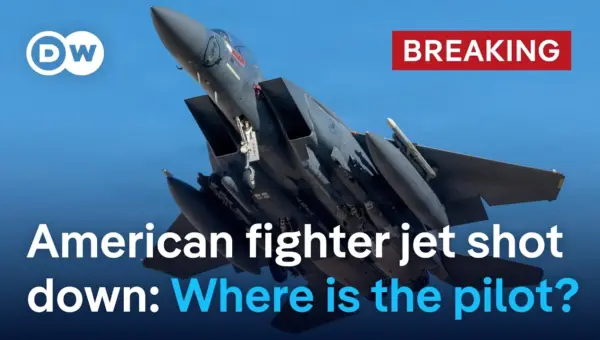
US Jet Downed in Iran: Crew Fate Unknown, War Unpopular
An American F-15 fighter jet has been shot down over Iran, with U.S. officials confirming the loss but offering few details on the crew's fate. The incident occurs amid widespread public opposition to the war and raises questions about Iran's air defense capabilities.
Iran Claims US Pilot Ejected; US Silent Amid Escalating Tensions
Iran claims a U.S. pilot ejected from a fighter jet over its territory, offering a reward for capture. The U.S. has not confirmed the report amid escalating regional tensions. Military experts discuss the strategic implications of U.S. strikes and the potential for internal change in Iran.


US Pilot Feared Lost in Iran; Search Underway
The U.S. military is conducting a search operation inside Iran for an American pilot whose fighter jet may have been downed. Details are limited, with uncertainty over whether the plane was shot down or suffered mechanical failure. The operation highlights the complexities of rescue missions in hostile territory and occurs amid heightened regional tensions.