Iran Escalates Attacks, Defies US Amid Shifting Mideast Tensions
Iran has launched new ballistic missile attacks toward Israel and rejected ceasefires, defying U.S. warnings of retaliation. This escalation follows a U.S. alert for Americans to leave Iraq due to Iran-backed militia threats. Key regional allies remain cautiously silent as tensions rise, indicating a potentially more dangerous phase in the conflict.

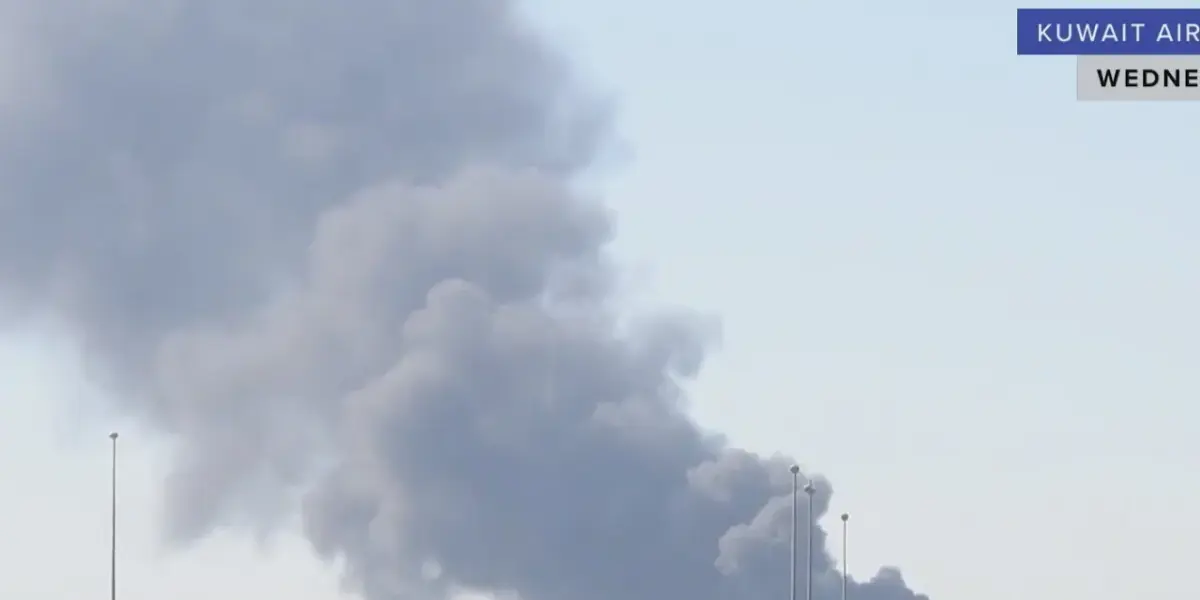
Iran Escalates Attacks, Defies US Amid Shifting Mideast Tensions
Iran has doubled down on its aggressive stance, launching new ballistic missile attacks toward Israel and rejecting any ceasefire. This comes after the United States issued a new warning for Americans to leave Iraq due to threats from Iran-backed militias. The situation marks a dangerous escalation, with Iran signaling more destructive attacks are planned, directly challenging President Trump’s warnings of severe U.S. retaliation.
Iran’s Aggression and Retaliation
Overnight, Iran fired multiple waves of ballistic missiles towards Israel, with at least four rounds launched since midnight. While most missiles were intercepted and only limited injuries were reported, Iran’s actions show a clear rejection of de-escalation. Iranian officials have stated they do not accept the idea of a ceasefire. They have also warned of stronger, more destructive attacks to come. This defiance follows President Trump’s recent speech, where he warned that the U.S. would strike back extremely hard within the next two to three weeks if Iran continued its actions.
US Warning and Iraq Concerns
Adding to the rising tensions, the U.S. issued an urgent warning for its citizens to leave Iraq immediately. This alert stems from threats posed by Iran-backed militias operating in the region. The warning was issued just days after an American journalist was kidnapped in Baghdad. The U.S. is working to gather more information on the ground regarding these threats.
Allies’ Cautious Response
Across the Persian Gulf, key U.S. allies like Qatar, Saudi Arabia, and the United Arab Emirates (UAE) have not yet issued clear responses to President Trump’s recent speech. The President had acknowledged these allies in his address, thanking them for their support. He stated, “We will not let them get hurt or fail in any way, shape or form.” However, their silence on the latest developments suggests a cautious approach as the region navigates the escalating conflict.
Historical Context: A Long-Standing Rivalry
The current standoff between Iran and the U.S., along with its allies, is rooted in decades of complex geopolitical rivalry. Since the 1979 Iranian Revolution, relations have been strained, marked by proxy conflicts and diplomatic disputes. Iran’s support for various militia groups in the Middle East, such as those in Iraq, is part of its strategy to project influence and counter adversaries like the U.S. and Israel. The use of ballistic missiles is a significant part of Iran’s military posture, aimed at deterring perceived threats and projecting power in a volatile region.
Economic Leverage and Dependencies
Economic factors play a crucial role in this geopolitical chess game. U.S. sanctions against Iran aim to cripple its economy and limit its ability to fund militant groups. However, Iran’s oil exports, though reduced, still provide some revenue. The region’s global importance as an energy hub means that any conflict can significantly impact global oil prices and supply chains. Countries like Saudi Arabia and the UAE are major oil producers, and their stability is vital for the global economy. Any disruption in this region could have far-reaching economic consequences worldwide.
Shifting Regional Alliances and Power Balances
The ongoing conflict is testing existing alliances and potentially reshaping regional power dynamics. While the U.S. relies on its traditional allies in the Gulf, their responses are often carefully calibrated to avoid direct confrontation while maintaining security. Iran, conversely, seeks to undermine U.S. influence by supporting regional proxies and challenging American interests. The security of Israel remains a primary concern for the U.S., as evidenced by Iran’s missile strikes targeting the nation.
Global Impact: Why This Reshapes the World Order
The escalating tensions in the Middle East have significant global implications. Increased conflict could disrupt vital oil supplies, leading to higher energy prices worldwide. The potential for a wider war could destabilize the region further, leading to humanitarian crises and refugee flows. It also puts global powers in a difficult position, balancing their economic ties with regional stability and security concerns. The international community watches closely as Iran signals its intent for more aggressive actions, challenging the established order and pushing the region closer to a dangerous precipice.
Future Scenarios
Several future scenarios are possible. One is a continued cycle of limited strikes and retaliations, keeping tensions high but avoiding full-scale war. Another is a significant escalation, where the U.S. carries out the retaliatory strikes it has threatened, potentially leading to a broader regional conflict. A third, less likely scenario, involves a diplomatic breakthrough, but this seems improbable given Iran’s current stance and the deep-seated animosity.
Source: Iran vows more destructive attacks as Trump talks of winding down war | Morning in America (YouTube)

Related Articles


Russia Recruits Students for Drone Units Amidst Escalating Attacks
Russia is reportedly seeking to bolster its drone forces by recruiting students, a move downplayed by the Kremlin. Meanwhile, Ukraine faces intensified Russian strikes on critical infrastructure, though its front lines have reportedly stabilized, offering a strategic advantage. Global security concerns are being linked, from the Strait of Hormuz to Ukraine, while Ukraine's experience in modern warfare is seen as a model for Europe.

Missing Pilot Complicates US Exit Strategy from Iran Tensions
The disappearance of an American pilot shot down over Iran complicates U.S. exit strategy, potentially prolonging military involvement. Experts note Iran's surprising resilience and the challenges of rescuing the pilot in hostile territory. This situation forces a strategic recalibration, highlighting the difficulties of withdrawal and the potential for a long-term commitment.


War Fuels Price Hikes Across U.S. Economy
Americans are facing significant economic pressures due to the conflict in Iran, which is driving up fuel costs and related fees. Gasoline prices have surged, impacting transportation, shipping, and even air travel. While interest in electric vehicles is growing, the higher initial cost remains a barrier for many.