Iran Escalates Attacks Across Gulf, Israel Faces Rising Casualties
Iran has launched a significant escalation of attacks across the Middle East, targeting Israel, the UAE, and Saudi Arabia with missiles and drones. As Israel faces rising casualties and prepares for prolonged conflict, the US grapples with public opinion and unclear war objectives. The situation threatens regional stability and global energy markets.


Middle East on Brink as Iran Launches Widespread Attacks
What began as a potential minor military skirmish has rapidly escalated into a significant regional confrontation, as Iran launches a wave of missile and drone attacks across the Middle East. The Israel Defense Forces (IDF) have reported intense bombing runs in southern Beirut, specifically targeting the Dahiya district, a stronghold of Hezbollah support, as well as areas in southern Lebanon and the Beqa Valley. The IDF is also reportedly moving additional troops into southern Lebanon to secure strategic positions.
Hezbollah Responds Amidst Escalating Tensions
Hezbollah has not retreated, responding to the initial Israeli strikes with multiple volleys of drones and missiles. The group claims its actions are retaliation for the death of Ali Khamenei, stating its intention to put an end to the ongoing conflict. The situation on the ground in Lebanon is dire, with reports indicating that the majority of the population does not want to be plunged back into a major conflict and its devastating consequences.
UAE Faces Barrage, Diplomatic Missions Under Threat
In the United Arab Emirates, the situation has become increasingly precarious. The UAE’s relationship with Iran has deteriorated rapidly over the past few days. Officials have expressed grave concern, with a senior diplomatic advisor to the UAE President stating that Iran is sowing long-term enmity among Gulf populations. Dubai and Abu Dhabi have been repeatedly targeted by Iranian missiles and drones, though the UAE reports a high success rate in intercepting these attacks, with approximately 92% of incoming projectiles neutralized.
The UAE Ministry of Defense and Ministry of Foreign Affairs held an unprecedented press briefing to address the escalating threat, detailing that 209 Iranian missiles and 935 drones have been fired towards UAE territory. The attacks have not been limited to the UAE. Riyadh saw the U.S. embassy targeted, leading to a complete evacuation of staff. Other embassies in Doha and Bahrain have also taken precautionary measures. A significant concern is Iran’s targeting of energy and oil resources across the Gulf, with attacks directed at facilities in Fujairah, Abu Dhabi, and Saudi Aramco in Saudi Arabia, posing a severe threat of massive economic damage.
Israel Reels from Attacks, Prepares for Prolonged Conflict
Israel is also facing a rising death toll, with 13 Israelis killed since the start of the operation. A recent Iranian missile strike on a synagogue resulted in nine fatalities, leaving the building completely destroyed. Israeli officials report that the Iranian ballistic missiles are far more sophisticated and dangerous than previous rocket attacks. In response to the escalating threat, the Sheba Medical Complex has moved its operations underground to ensure patient safety and prepare for potential mass casualty events.
Despite the rising casualties and destruction, Israeli Prime Minister remains defiant, vowing to continue the operation as long as necessary and calling for regime change in Iran. While American public opinion on the war effort appears divided and critical, many Israelis support the operation, citing continuous attacks since October 7th and a desire for resolution. This sentiment is reportedly driving a senior UAE delegation to Israel for discussions, a move that has surprised observers.
US Grapples with War Strategy and Public Opinion
The United States is facing internal debate and questioning regarding its involvement in the conflict. Public approval for the war effort is reportedly low, with criticisms directed at the administration’s communication strategy and unclear objectives. While the President has spoken about the necessity of the operation and potential timelines ranging from four to five weeks, conflicting statements and a lack of defined success parameters have fueled public skepticism. Classified briefings to lawmakers have reportedly not provided clear timelines or specific definitions of success, beyond broad objectives such as degrading Iran’s missile capabilities, destroying its navy, and preventing a nuclear weapons program.
Future Uncertain as Regional Conflict Deepens
The escalating conflict raises serious questions about the future of regional stability. The continued targeting of critical infrastructure and the potential for a wider war loom large. The diplomatic engagement between the UAE and Israel, alongside Iran’s persistent attacks across the Gulf, signals a deepening crisis with far-reaching implications for global energy markets and international relations. The coming days will be critical in determining whether de-escalation is possible or if the region is headed for a more protracted and devastating conflict.
Source: Trump: Iran's air defenses have been 'knocked out' (YouTube)

Related Articles

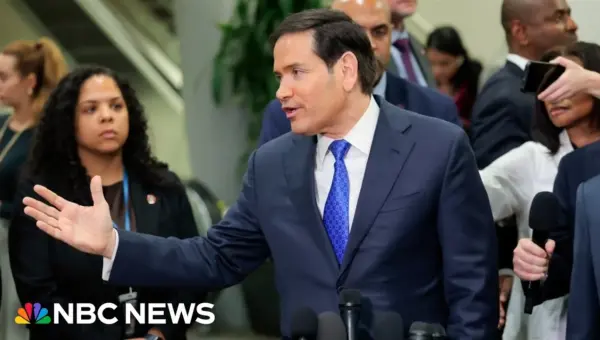
US Strikes Iran to Halt Nuclear Ambitions: Official Briefs Congress
U.S. officials confirm military action against Iran to dismantle its ballistic missile program and prevent nuclear weapon acquisition. An official briefed Congress, emphasizing preemptive action to safeguard American lives and security.


MAGA Influencers Clash Over Israel’s Role in Trump’s Iran Standoff
Prominent MAGA influencers are publicly clashing over the extent to which Israel's foreign policy influenced Donald Trump's decisions regarding Iran. Senator Marco Rubio's statements have ignited a debate, exposing a deep ideological rift within the conservative movement concerning "America First" principles and foreign influence.
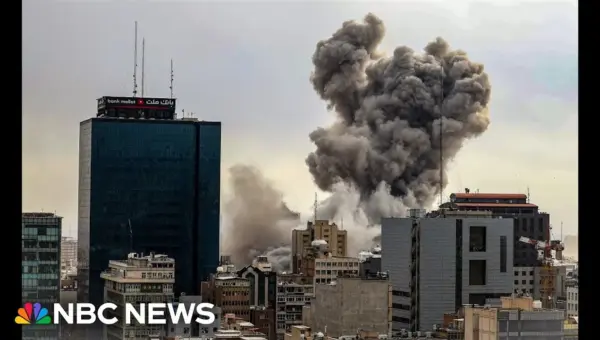
US Strikes Iran: Trump Cites Negotiation Failure, Markets Reel
The U.S. and Israel have launched joint military strikes against Iran, killing Supreme Leader Ali Khamenei and igniting regional conflict. President Trump cited failed negotiations as the catalyst, while economic markets reacted with surging oil prices. The U.S. plans naval escorts for tankers and is arranging evacuations for citizens in the affected region.