Iran Enjoys US ‘Squirming’ Amid Hormuz Crisis
Iran appears to be enjoying the pressure it's putting on the global economy amid the Strait of Hormuz crisis, even as the U.S. explores diplomatic options. Reports suggest the Royal Navy is preparing to lead a coalition to reopen the vital shipping lane. However, confusion surrounds potential peace talks, with Iran reportedly viewing U.S. overtures with skepticism.

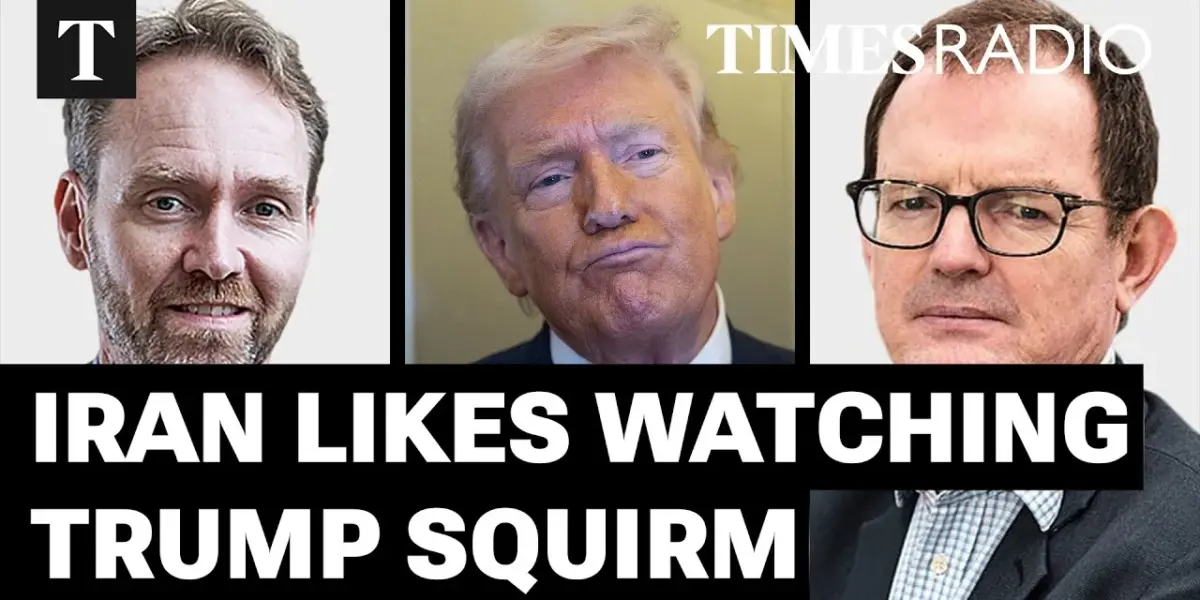
Iran Enjoys US ‘Squirming’ Amid Hormuz Crisis
Tehran appears to be relishing the apparent discomfort of the United States and President Donald Trump amid the escalating crisis surrounding the Strait of Hormuz. Iran is accused of inflicting damage on the global economy by threatening to close the vital shipping lane. The situation has led to confusion and skepticism about potential peace talks, with Iran reportedly viewing U.S. diplomatic overtures as a possible trap.
Royal Navy Prepared for Hormuz Coalition
Reports indicate the Royal Navy is ready to lead a coalition effort aimed at reopening the Strait of Hormuz. This plan would involve clearing the passage of mines, contingent on a peace settlement between the U.S., Israel, and Iran. When questioned by reporters about who might control the Strait, President Trump suggested a joint arrangement, possibly involving himself and the current or future Iranian leadership, hinting at a form of regime change.
Conflicting Signals on Peace Talks
The exact status of diplomatic efforts remains unclear. U.S. Middle East envoy Steve Wickoff was expected to travel to Pakistan, which has offered to host in-person peace talks, but his current whereabouts are uncertain. This ambiguity has fueled speculation that Trump’s announcement of a five-day diplomatic window may have been more of a public relations move than a genuine offer. Iran, having previously engaged in diplomatic processes with U.S. officials like Steve Wickoff and Jared Kushner, is reportedly wary of such overtures, suspecting them to be a tactic to buy time while the U.S. reinforces its regional military presence.
U.S. Military Posture and Iranian Concerns
Adding to the tension, the American aircraft carrier USS Gerald R. Ford has departed the region for repairs following a fire, temporarily depleting U.S. naval strength. However, the U.S. is reportedly sending approximately 3,000 Marines, troops suitable for potential operations on strategic islands like Qeshm, which controls Iran’s oil exports. This buildup, coupled with Trump’s suggested diplomatic pause, has heightened Iranian concerns that U.S. actions could be part of a larger military strategy.
Iran’s Strategic Hesitation and Economic Pressure
Officials in Iran are reportedly concerned that ceasefire attempts could be a trap, reflecting a deep distrust of President Trump’s tactics. Questions also linger within Iran about who is truly in charge, with uncertainty surrounding the health and authority of the new supreme leader and his advisors. Despite this, Iran is seen as enjoying the economic pressure it’s exerting on the global economy through its actions in the Strait of Hormuz. However, the prospect of further military escalation and the impact on Iran’s own economy are also reportedly causing nervousness in Tehran. Iran is prepared to defend its interests and will not easily concede in any potential negotiations, maintaining firm red lines.
Capitol Hill’s Skepticism
On Capitol Hill, lawmakers from both parties are reportedly trying to determine if Trump’s diplomatic initiative is genuine or a strategic maneuver to prepare for military action. The lack of usual classified briefings for the opposition party suggests a deliberate withholding of information, possibly because the U.S. has not officially declared war on Iran. Many in Congress are urging the Trump administration to de-escalate, citing the significant daily economic costs of the standoff.
The Search for Mediators
The crisis has highlighted the reluctance of traditional mediators to engage. Oman, which previously facilitated talks, was reportedly caught off guard by recent escalations and may be hesitant to get involved again. Qatar, another key intermediary, is reportedly frustrated with both sides after experiencing retaliation from Iran despite its role. Saudi Arabia, the UAE, and other Gulf players, despite recently improving relations with Iran, are also reportedly furious and considering joining the U.S. on the battlefield due to being targeted. This situation opens the door for new potential mediators. Pakistan, with its good relations with both Iran and the U.S., is a possibility, though it hasn’t played this role before. Egypt and Turkey have also emerged as potential players, with their foreign ministers engaging in discussions with various parties to explore diplomatic solutions.
What’s Next?
As the situation remains volatile, all eyes are on whether Iran will formally put forward a negotiator. The coming days will be critical in determining whether diplomacy can prevail over military posturing, with significant economic and geopolitical consequences hanging in the balance.
Source: Iran Enjoying Trump ’Squirming’ Over Hormuz Crisis | Richard Spencer And David Charter (YouTube)

Related Articles

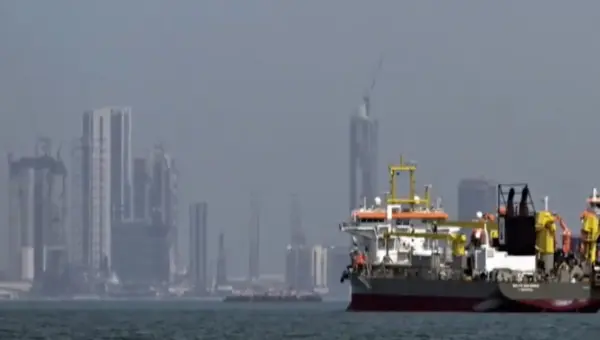
Iran Blocks China Ships, Exposing Beijing’s Weak Grip
Iran's recent decision to block Chinese ships at the Strait of Hormuz is exposing the limits of Beijing's influence in the Middle East. This action is causing delays and cancellations for Chinese manufacturers, turning a perceived geopolitical win into an economic strain.
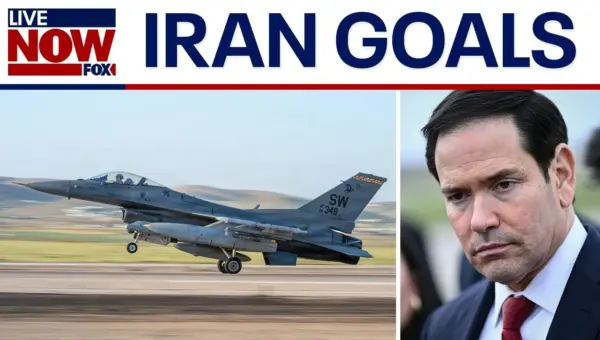
Rubio: US Can Achieve Iran War Goals Without Troops
Senator Marco Rubio outlined a strategy to counter Iran without deploying U.S. ground troops, focusing on weakening the regime and enhancing maritime security. He also criticized Cuba's economic system and expressed concerns about West Bank violence.


Israel Escalates Iran Strikes, Warns of Wider War
Israel has launched significant strikes inside Iran following continued missile fire, warning of further escalation. The conflict risks wider regional instability and economic disruption, especially concerning the Strait of Hormuz.