Iran Employs Proxy Tactics Amid Standoff
The Islamic Revolutionary Guard Corps is expected to increasingly use proxy tactics to inflict economic pain, particularly targeting the Strait of Hormuz. Military experts explain deception as a key warfare strategy to keep adversaries guessing about future actions.


Iran Employs Proxy Tactics Amid Standoff
The Islamic Revolutionary Guard Corps (IRGC) is expected to increasingly rely on proxy tactics as a potential endgame strategy in the ongoing conflict. This approach aims to inflict economic damage globally, particularly by targeting vital shipping lanes like the Strait of Hormuz. This tactic is a known strategy that the IRGC has historically employed.
This development comes amid a complex communication strategy from leadership. Early statements regarding potential military actions have been interpreted in various ways. Some comments have been seen as inflammatory, sparking significant public and international reaction. The exact wording and intent behind these statements have been a subject of debate and analysis.
Deception as a Warfare Tactic
Military experts note that deception is a fundamental aspect of warfare, a concept detailed in ancient texts like “The Art of War.” This strategy involves keeping adversaries uncertain about future actions, potential targets, and the overall timeline of operations. The goal is to maintain a strategic advantage by preventing the enemy from anticipating or preparing for specific moves.
For thousands of years, deception has been a key tactic in military operations. Keeping the enemy guessing about intentions and actions is crucial for maintaining strategic surprise. This approach is vital when dealing with regimes that employ unconventional or terrorist tactics.
This method of warfare, while effective on the battlefield, can be difficult for the general public to understand. The need for ambiguity and surprise in military planning often contrasts with the desire for clear and direct communication in civilian life. When engaging with regimes that utilize proxy forces and unconventional warfare, a similar approach may be deemed necessary by military strategists.
Strategic Context and IRGC Capabilities
The IRGC’s military capabilities are a significant factor in understanding the current situation. Reports suggest that their conventional military and naval forces could be significantly degraded in a full-scale conflict. This potential weakening of traditional military structures makes the reliance on proxy groups a more probable strategy for the IRGC to exert influence and cause disruption.
Proxy tactics involve using affiliated non-state actors or allied groups to carry out military or political objectives. These proxies can operate with a degree of deniability, allowing the primary actor to avoid direct responsibility for certain actions. This allows a state to project power and influence without committing its own direct forces, often targeting economic vulnerabilities or creating regional instability.
Broader Geopolitical Impact
The potential for disruption in the Strait of Hormuz carries significant geopolitical weight. This waterway is one of the world’s most critical chokepoints for oil transportation. Any significant interference could lead to global economic consequences, affecting energy prices and supply chains worldwide. The use of proxy tactics in this region is therefore a matter of international concern.
The communication style employed by leaders during times of international tension can also have an impact. Mixed messages or seemingly contradictory statements can create confusion, both domestically and internationally. This can affect perceptions of resolve and strategic clarity, potentially influencing the calculations of adversaries and allies alike.
Historical Parallels
The use of proxy forces and asymmetric warfare by state actors is not new. Throughout history, nations have supported or utilized non-state groups to advance their interests, often in regions where direct military intervention would be too costly or politically difficult. This strategy allows for plausible deniability while still achieving strategic objectives through indirect means.
The concept of fighting unconventional threats with unconventional methods is also a recurring theme in military history. When facing adversaries who do not adhere to traditional rules of engagement, security forces may adapt their own tactics to effectively counter the threat. This can involve employing strategies that prioritize surprise, deception, and the disruption of enemy networks.
Understanding Modern Warfare
Modern warfare often involves a blend of conventional military power and asymmetric tactics. The IRGC’s potential reliance on proxy groups highlights the evolving nature of conflict. These tactics are designed to exploit vulnerabilities and create maximum pressure with limited resources, often targeting economic and political stability.
For the public, understanding these complex military strategies requires recognizing the difference between civilian communication and military operational requirements. The need for secrecy and strategic ambiguity in wartime is a core principle, even if it appears contradictory to those outside the military sphere. The ultimate aim is to protect national interests and achieve strategic objectives effectively.
Source: Max Afterburner Fires Back HARD At Piers Morgan on Trump Iran Stance (YouTube)

Related Articles
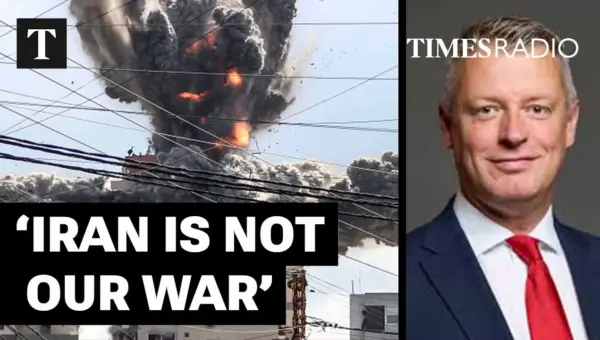
UK Defends Allies But Says ‘Iran Is Not Our War’
Britain is stepping up to defend allies in the Middle East but insists "Iran is not our war," according to the Minister for Defense Readiness and Industry. The UK is focusing on defensive measures and leading international efforts to reopen the vital Strait of Hormuz. The government also addressed concerns about NATO's future and countered Russian aggression against undersea cables.

Iran Tests Global Order Amid Strait of Hormuz Standoff
Peace talks loom as Iran's control over the vital Strait of Hormuz fuels global concern. Analysts question Iran's commitment to agreements, while regional demands and proxy conflicts complicate diplomatic efforts. The situation tests the international order and global energy security.
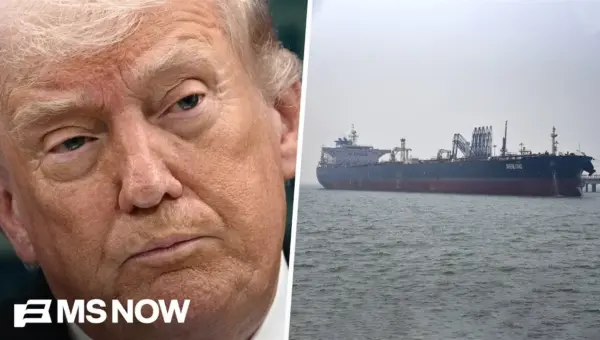
Trump Faces Iran War Fallout Amid Peace Talk Uncertainty
President Trump faces mounting pressure as the Iran conflict's outcome appears uncertain, with oil prices rising and key waterways disrupted. Meanwhile, First Lady Melania Trump has broken her silence on the Epstein files, denying any connection to Jeffrey Epstein.