Iran Eases Strait Access Amid US Military Pressure
Iran has agreed to allow more ships through the critical Strait of Hormuz amid ongoing U.S. military operations. This development follows diplomatic talks and U.S. military strikes within Iran. Security alerts have also been issued for U.S. citizens in Iraq due to threats from Iran-backed militias.

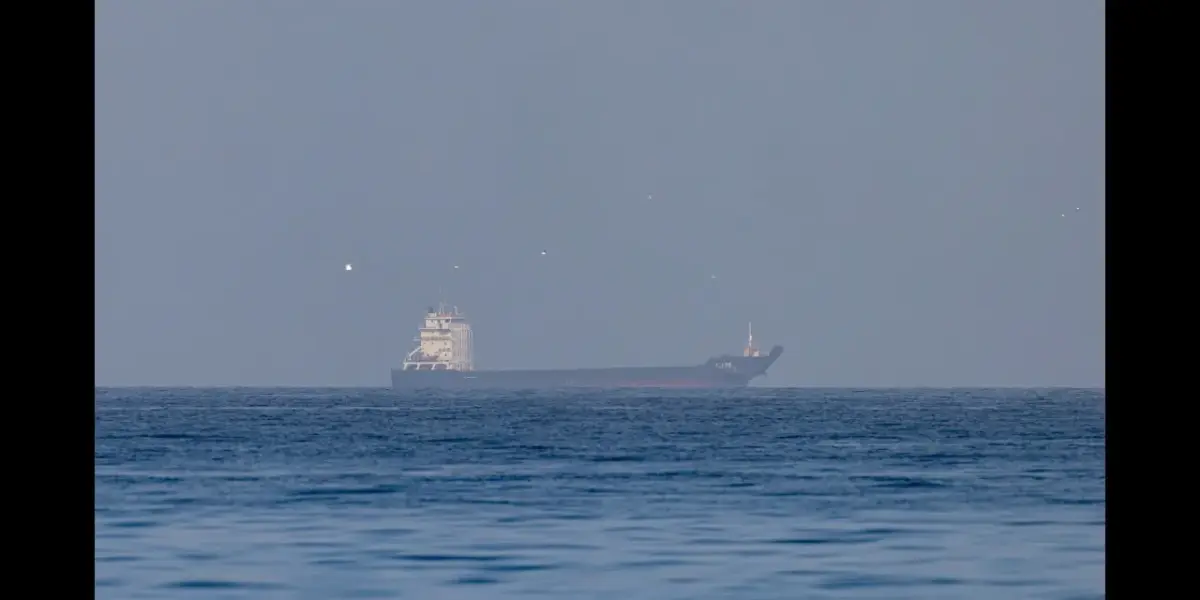
Iran Eases Strait Access Amid US Military Pressure
President Trump announced that negotiations with Iran are progressing well. A key development is Iran’s agreement to allow more ships passage through the vital Strait of Hormuz. This comes as the U.S. military reports significant success against Iranian forces.
Operation Epic Fury Progress
During a press briefing, President Trump shared updates on what he called “Operation Epic Fury.” He stated that direct and indirect talks with Iran are yielding positive results. Initially, Iran agreed to let ten boats pass. More recently, they have allowed twenty large oil tankers through the Strait of Hormuz, a move described as a sign of respect, starting the next morning.
The U.S. military, through Central Command, has reportedly struck over 11,000 targets inside Iran since Operation Epic Fury began. The amphibious assault ship USS Tripoli recently arrived in the region carrying American sailors and Marines. Notably, no American or Israeli troops have been deployed on the ground in Iran so far. However, the speaker of the Iranian parliament warned of retaliation if a ground assault occurs.
Regional Diplomacy and Security Alerts
Israel has also been active, reporting the deployment of over 150 fighter jets to strike Iranian targets. These strikes have reportedly hit weapons development sites and military research facilities. Meanwhile, Pakistan has announced it will host upcoming talks between the U.S. and Iran. Pakistani officials indicated this public initiative follows weeks of private diplomatic efforts.
In a related security development, the U.S. embassy in Iraq issued a warning. It alerted American citizens to potential threats from Iran-backed militias targeting universities in Iraq. This alert follows threats from Iran to target American universities across the Middle East. The embassy noted that Iran-aligned militias have attacked U.S. citizens in Iraq and urged citizens to leave the country immediately. The alert also stated the Iraqi government has not stopped terrorist attacks against the U.S. originating from Iraqi territory.
Airspace over Iraq is currently closed. The U.S. embassy advised American citizens to use land border crossings to exit Iraq, heading towards Jordan, Kuwait, Saudi Arabia, or Turkey.
Why This Matters
The Strait of Hormuz is a critical chokepoint for global oil supply. Any disruption there can significantly impact energy prices worldwide. Iran’s decision to allow more ships through suggests a de-escalation, at least in this specific area. This could be a result of diplomatic pressure, military actions, or a combination of both. The ongoing military operations and the threat of retaliation highlight the volatile nature of the region. The U.S. military’s reported success in striking targets could be a factor influencing Iran’s willingness to negotiate.
Historical Context and Background
Tensions between the U.S. and Iran have been high for decades, particularly following the 1979 Iranian Revolution. The Strait of Hormuz has historically been a flashpoint, with both countries threatening naval operations and freedom of navigation. The U.S. military presence in the region is aimed at deterring Iranian aggression and ensuring the free flow of commerce. Operation Epic Fury appears to be a recent phase of this long-standing strategic competition.
Implications and Future Outlook
The easing of passage through the Strait of Hormuz, if sustained, could provide some stability to global energy markets. However, the underlying tensions remain. The threat of retaliation from Iran, especially in response to potential ground assaults, suggests that a peaceful resolution is far from guaranteed. The involvement of Pakistan as a mediator could be significant, offering a neutral ground for dialogue. The security alerts in Iraq underscore the persistent dangers posed by proxy militias in the region. Future developments will depend on the continued success of U.S. military actions, the effectiveness of diplomatic channels, and the willingness of both sides to compromise. The situation demands careful monitoring as it directly affects international security and economic stability.
Source: Iran Allowing 20 More Ships Through Strait of Hormuz, Pakistan Says (YouTube)

Related Articles


Iran’s Strategy: Humiliate the West, Cause Global Pain
Iran's leaders are reportedly using energy and fertilizer shortages to inflict global pain and humiliate the West. This strategy could lead to a harsh winter for Europe and food crises worldwide. The situation raises concerns about potential military escalation.

US Troops Show ‘Urgency’ in Middle East Fight
U.S. troops in Operation Epic Fury are demonstrating "wartime speed" and a powerful sense of mission focus, according to a recent Pentagon visit. Service members expressed a strong desire to finish the fight quickly for future generations, requesting more resources for operations rather than personal comforts. The ongoing pressure aims to compel Iran to negotiate, with continued military action planned if diplomacy fails.


US Strikes Iran’s Secret Sites, Threatening Strait of Hormuz Control
The United States has launched significant strikes against secret Iranian facilities, utilizing advanced bombers and electronic warfare aircraft. Despite these attacks, Iran continues its aggression, and concerns are rising over control of the vital Strait of Hormuz, a crucial waterway for global oil transport.