Iran Drone Strike Ignites Cyprus Debate on UK Bases
An Iranian drone strike on a UK military base in Cyprus has reignited debate over the legacy of British colonial power and the necessity of foreign military presence. While the Cypriot government assures safety, residents question if the bases make the island a target.


Cyprus Faces Fallout from Iran Conflict Amidst Colonial Legacy Debate
NICOSIA, CYPRUS – The island nation of Cyprus, the only European Union member state to directly experience the repercussions of the Iran conflict, finds itself at the center of a renewed debate concerning the United Kingdom’s enduring military presence. The discussion has intensified following an incident where an Iranian-made drone struck a British Royal Air Force (RAF) base on Cypriot soil, prompting questions about the necessity and implications of foreign military installations.
Drone Incident Sparks Local Outcry
The drone strike, which resulted in limited damage and no casualties, served as a stark reminder of Cyprus’s precarious geopolitical position, situated in close proximity to the volatile Middle East. While authorities emphasized that the country was not intentionally targeted and maintained excellent diplomatic relations with regional powers, the incident has galvanized local sentiment against the continued presence of the UK’s Sovereign Base Areas (SBAs).
Interviews with residents revealed a palpable unease. “I believe UK base must to leave from Cyprus. It’s very bad for us to stay there. Because they put us in dangerous,” stated one individual, articulating a sentiment shared by many who view the bases as a magnet for regional tensions and a threat to national security. This perspective is rooted in Cyprus’s history as a former British colony, with the ongoing military presence seen by some as a lingering vestige of that era, incompatible with the nation’s sovereignty and safety.
Distinguishing Foreign Military Presence
Interestingly, the debate appears nuanced, distinguishing between the UK’s historical military footprint and more recent international military cooperation. Following the drone incident, several EU member states dispatched warships to Cyprus, a move that was met with a welcoming response from the local population.
“We’re very happy that the EU member states are supporting us. This I think this means a lot to the Cypriot people.”
This distinction highlights a key element of the Cypriot perspective: the UK, having left the European Union, is no longer perceived as an integral part of the continent’s security architecture. “The UK is no longer in the EU. So we don’t count the base as any support. In fact, it is the reason why everything is happening and Cyprus is put in the middle of all that,” explained another resident, underscoring the view that the UK bases, rather than offering protection, exacerbate the island’s vulnerability.
Government Reassurance and Economic Concerns
The Cypriot government has been diligent in reassuring both its citizens and the international community about the nation’s safety. Officials have stressed that Cyprus is secure and that the drone strike was an isolated incident, not indicative of a targeted campaign against the island. The government also highlighted its strong diplomatic ties across the region, emphasizing its commitment to maintaining peace and stability.
Despite the reassurances, the broader geopolitical tensions cast a shadow. While the immediate sense of danger may not be pervasive among all residents, a significant concern is the potential impact on the vital tourism sector. The island’s economy is heavily reliant on visitors, and prolonged international attention on regional conflicts could deter tourists, impacting livelihoods.
One tourist interviewed during the report expressed a sentiment of normalcy: “We didn’t hear or see anything which disturb our holidays.” This indicates that for some, daily life and holiday experiences remain largely unaffected, at least on the surface.
Broader Implications and Future Outlook
The incident at the RAF base in Cyprus serves as a microcosm of larger global dynamics, where historical colonial legacies intersect with contemporary geopolitical rivalries. The UK’s two Sovereign Base Areas on Cyprus, Akrotiri and Dhekelia, established in 1960, remain strategically significant for intelligence gathering and military operations in the Middle East and North Africa. However, their presence is increasingly viewed through the lens of post-colonialism and national sovereignty by a segment of the Cypriot population.
The debate is likely to persist, fueled by the ongoing instability in the Middle East and Cyprus’s unavoidable proximity. As the international community grapples with escalating tensions, the future of the UK’s military bases on the island will remain a critical point of discussion, balancing strategic interests with the aspirations of a sovereign nation seeking security and freedom from entanglement in foreign conflicts.
What to Watch Next
Attention will be focused on the Cypriot government’s diplomatic efforts to navigate its relationships with both the UK and regional powers. Furthermore, any official statements or policy shifts from the UK regarding its long-term commitment to the bases in light of these events will be closely monitored. The potential economic impact on tourism will also be a key indicator of how these geopolitical developments are perceived on the ground.
Source: Cyprus: Iran war strike sparks debate on UK colonial legacy | DW Shorts (YouTube)

Related Articles

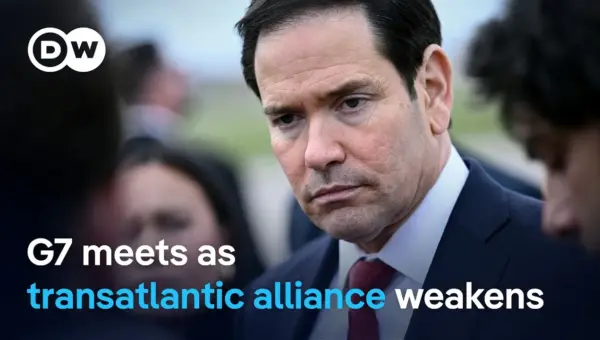
G7 Allies Clash Over Iran War Strategy, Urge Focus on Russia
G7 foreign ministers met in Paris, revealing deep divisions over the U.S. war with Iran. European allies urged the U.S. to pressure Russia, linking its actions to the conflict and fearing support for Ukraine will wane.

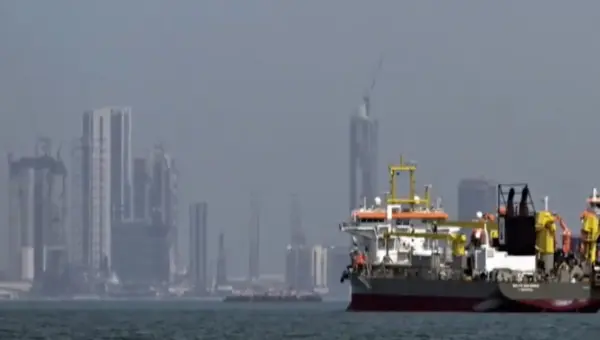
Iran Blocks China Ships, Exposing Beijing’s Weak Grip
Iran's recent decision to block Chinese ships at the Strait of Hormuz is exposing the limits of Beijing's influence in the Middle East. This action is causing delays and cancellations for Chinese manufacturers, turning a perceived geopolitical win into an economic strain.
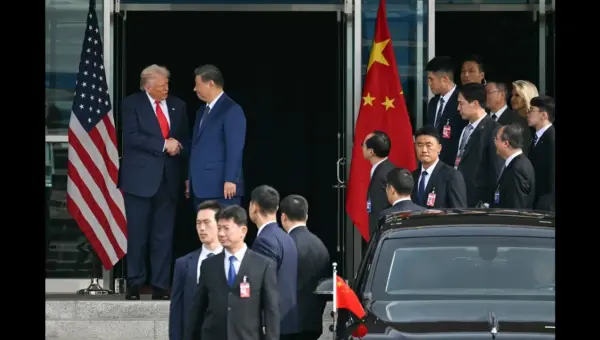
Trump’s “Walk Away” Tactic Signals Tougher Stance on China
Retired Air Force Brigadier General David Stillwell believes President Trump's strategy of being willing to walk away from negotiations puts pressure on China. This tactic, combined with US global actions and strengthened alliances, signals a more assertive American foreign policy.