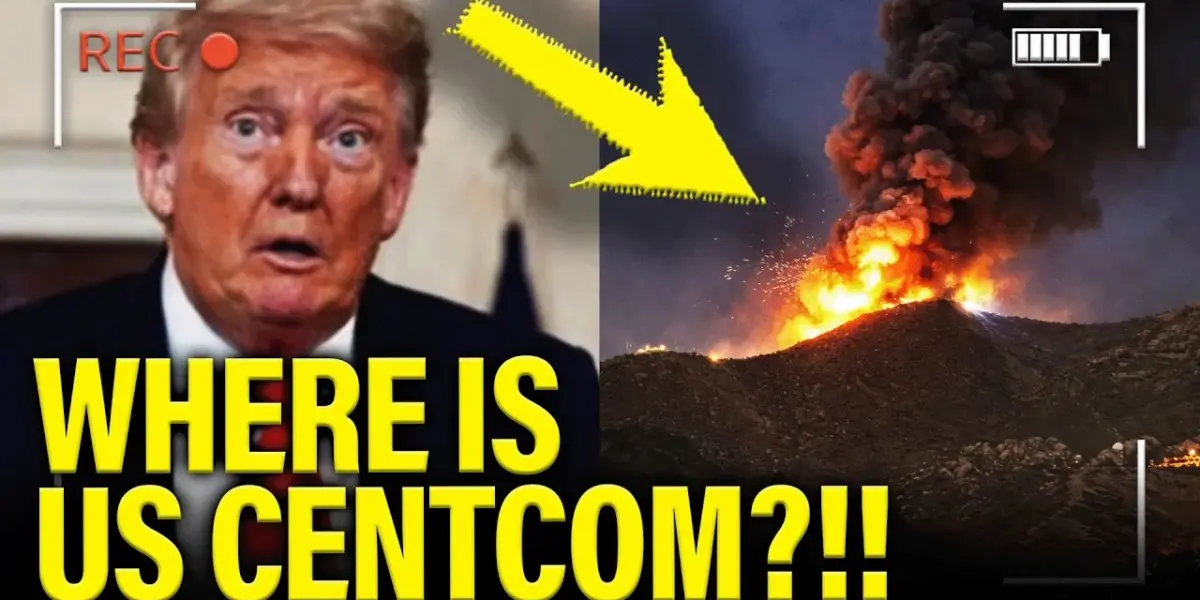
Iran Downs US Jets, Pentagon Goes Silent, Trump Panics
Iran has reportedly shot down two U.S. fighter jets, leading to an unusual silence from the Pentagon and a tense situation. While Iran engages in online mockery, U.S. intelligence points to Iran's resilient missile capabilities and refusal to negotiate, raising concerns about global oil supply and potential escalation.

Iran Downs US Jets, Pentagon Goes Silent, Trump Panics
In a dramatic escalation, reports indicate that Iran has shot down at least two U.S. military aircraft over the Strait of Hormuz. An F-15E Strike Eagle and an A-10C Warthog fighter jets are confirmed to have been downed. While the pilot of the A-10C survived and one F-15E pilot was recovered, search and rescue teams are still looking for the second F-15E pilot. Iran has reportedly sealed off the area where they believe this pilot may be hiding.
Conflicting Reports and Unsettling Silence
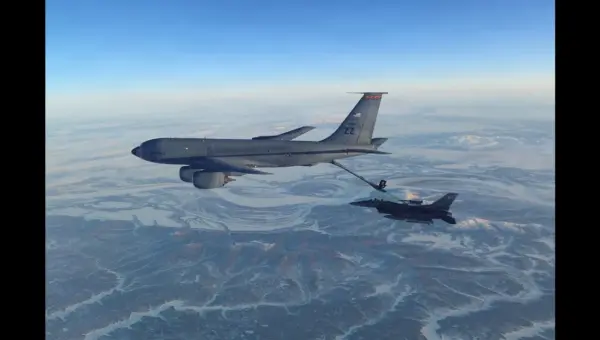
The U.S. Central Command (CENTCOM) initially denied any aircraft were shot down, stating that all U.S. fighter aircraft were accounted for and that Iran’s claims were false. However, this statement appears to have been inaccurate, with evidence suggesting the situation is far more serious. Beyond the two downed fighter jets, two helicopters also suffered severe damage. Adding to the concern, one of the KC-135 Stratotankers refueling an E-3 Sentry aircraft was also emitting emergency signals, though it is not believed to have been shot down. This follows a recent incident where a KC-135 crashed, killing all on board, and another event in Riyadh, Saudi Arabia, where an E-3 Sentry and several KC-135 tankers were destroyed.
What is particularly unusual is the subsequent silence from CENTCOM and the White House. Normally, these commands provide regular updates. However, in the wake of these incidents, there has been a stark lack of official communication. This silence has led to speculation that the U.S. is in a highly sensitive and dangerous phase, possibly focused on the delicate operation to find the missing pilot without Iran gaining a propaganda victory.
Iran’s Provocative Response
Meanwhile, Iran’s Islamic Revolutionary Guard Corps (IRGC) has been highly active on social media. They have been posting videos and memes mocking the Trump administration, even sharing images of President Trump alongside controversial figures. They have also shown videos of what appear to be Iranian citizens and police firing weapons at U.S. search and rescue aircraft. This is a stark contrast to the quiet from the U.S. side.
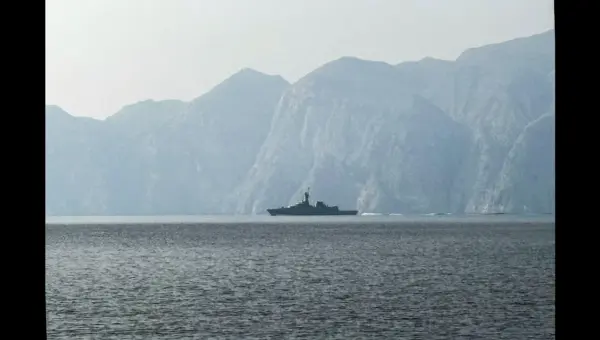
Iran’s parliament leader has also raised questions about global oil and shipping routes, highlighting the strategic importance of the Strait of Hormuz and the Bab el-Mandeb Strait. This comes as Iran’s proxies, like the Houthis in Yemen, have previously shown the ability to disrupt shipping in the Red Sea. Controlling both these waterways could significantly impact global oil prices, potentially driving them to extremely high levels.
Intelligence Assessments and Diplomatic Standoff
U.S. intelligence assessments suggest that Iran maintains significant missile launching capabilities. They are believed to have a large number of ballistic missiles and one-way attack drones. Furthermore, intelligence reports indicate that Iran has been able to quickly repair and bring underground missile silos back into operation, even after being struck by attacks. This suggests that Iran’s offensive capabilities remain formidable despite international pressure.
Despite attempts by the Trump administration to negotiate, Iran has rejected all offers for a ceasefire. They appear confident in their current position, especially given the perceived lifting of some sanctions and support from Russia. Iran seems to believe they are in a strong position, controlling key shipping lanes and benefiting from the current situation.
Calls for Restraint Amidst Escalation
Amidst this tense situation, a Democratic Senator has appealed to the Iranian regime to treat any captured pilot in accordance with international humanitarian law. This appeal comes as there are concerns that U.S. actions may have violated international law, such as striking downed pilots or civilian infrastructure. The Senator emphasized the importance of following the rules of war, even in times of conflict, to set a positive example.
Why This Matters
This situation highlights the extreme fragility of the current geopolitical climate in the Middle East. The downing of U.S. aircraft, the ensuing silence from U.S. command, and Iran’s aggressive online response paint a picture of escalating tensions. The potential disruption of crucial global shipping lanes, particularly the Strait of Hormuz, could have severe economic consequences worldwide, including a sharp rise in oil prices. The conflicting narratives and the lack of clear communication from the U.S. also raise questions about transparency and the administration’s handling of a potentially dangerous conflict. The international community is watching closely as the situation develops, with calls for de-escalation and adherence to international law growing louder.
Implications and Future Outlook
The events suggest a significant miscalculation or an underestimation of Iran’s capabilities by the U.S. administration. Iran’s ability to quickly repair its missile infrastructure and its willingness to engage in direct confrontation with U.S. military assets indicate a more robust defense posture than previously acknowledged. The propaganda war waged by Iran on social media also shows a sophisticated use of information warfare to undermine U.S. influence. The future outlook remains uncertain, with a high risk of further escalation. The administration’s response to the missing pilot and the damaged aircraft will be critical. The international community’s role in mediating or applying pressure for de-escalation will also be important. The economic impact of any further disruption to oil supplies could be substantial, affecting global markets and potentially leading to widespread inflation.
Historical Context
Tensions between the U.S. and Iran have a long and complex history, dating back to the 1953 coup and intensifying after the 1979 Iranian Revolution. The U.S. has historically maintained a strong military presence in the Persian Gulf region to ensure the free flow of oil and to counter Iranian influence. Iran, in turn, has often used asymmetric warfare and proxy groups, like the Houthis, to challenge U.S. interests and project its power. The Strait of Hormuz has always been a critical chokepoint, and control over it has been a recurring theme in the U.S.-Iran standoff. Recent years have seen increased sanctions and military posturing, leading to a volatile situation where direct confrontation, though perhaps not desired by either side, remains a persistent risk.
Source: Trump PANICS as CENTCOM GOES SILENT in WAR!!!! (YouTube)

Related Articles
Trump’s Bold Oil Plan: Seize Hormuz for Global Fortune
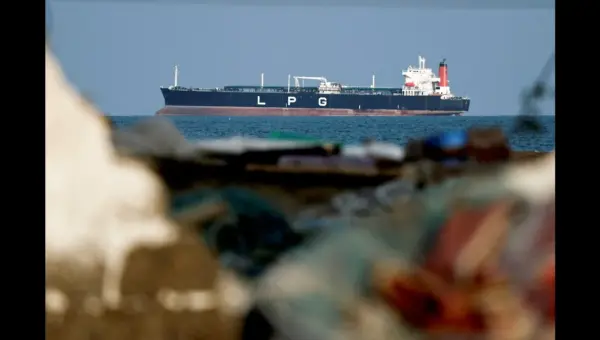
President Trump proposed the U.S. seize control of the Strait of Hormuz to profit from oil sales. This bold suggestion comes as nations dependent on the vital waterway show reluctance to ensure its openness. The situation highlights global energy security concerns and complex international relations.
US Jet Downed Over Iran: Crew Separation Risks Examined
A U.S. fighter jet downed over Iran prompts a search and rescue mission, highlighting the risks and challenges faced by aircrews. Analysts suggest factors like low altitude and wind may have contributed to the incident, while the vital role of the Space Force in modern military operations is also examined.
Iran’s Strait of Hormuz Threats Offer Chance to Reshape Middle East
Iran's aggressive tactics in the Strait of Hormuz, while threatening global energy supplies, present a unique opportunity to reshape Middle East dynamics. Analyst David Wormser suggests that new energy routes and strategic island seizures could fundamentally alter regional power structures and trade.