Iran Downs US Jet; Trump Vows No Impact on Talks
An American F-15 fighter jet was shot down in Iranian airspace, leading to a search for a missing pilot. Despite the escalation, President Trump stated the incident won't affect Iran negotiations, while military experts question U.S. air dominance claims.

US Jet Shot Down by Iran Amid Heightened Tensions
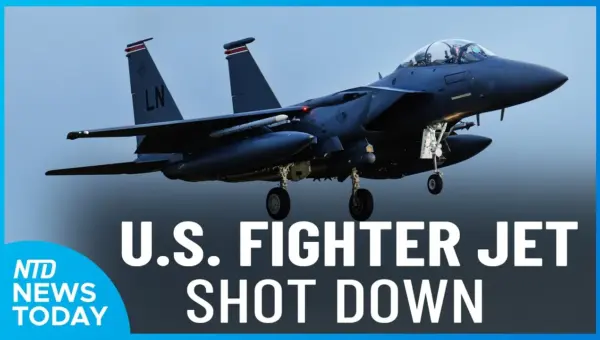
A U.S. F-15 fighter jet was shot down deep inside Iranian airspace Tuesday, marking a significant escalation in the ongoing conflict. U.S. officials believe Iran was responsible for downing the aircraft. One of the two pilots aboard ejected and has been rescued, but a search is underway for the second pilot. The incident occurred during a search and rescue operation for the downed jet, during which two U.S. military helicopters were reportedly struck by Iranian fire. Service members aboard the helicopters were unharmed.
White House Cautious, President Downplays Impact on Negotiations
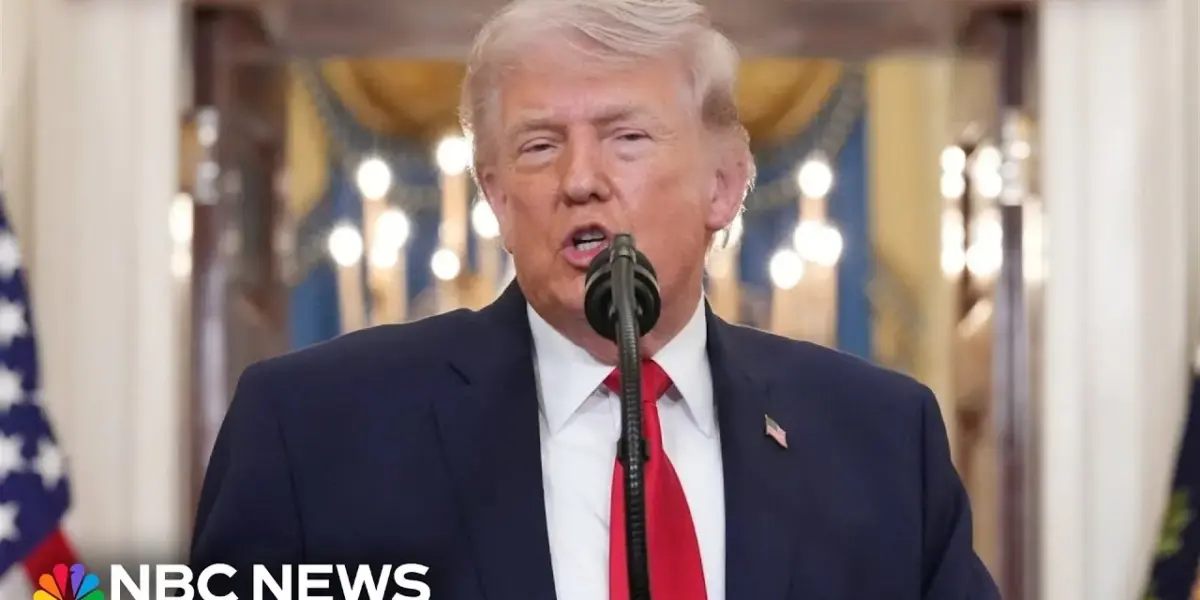
President Trump was briefed on the incident, which is the first known instance of a U.S. aircraft being shot down behind enemy lines since the war began nearly five weeks ago. Despite the serious escalation, the White House has maintained a cautious and carefully worded public stance. President Trump spoke with NBC News Senior White House Correspondent Garrett Haake, stating that the incident would not affect any ongoing negotiations with Iran. He described the situation simply as “war,” indicating the seriousness with which the White House views the events.
Iran Offers Reward for Missing Pilot, Escalates Rhetoric
Iranian state media released images appearing to show fragments of the downed F-15. A regional governor in southwest Iran has called on citizens to help find the missing American pilot, even offering a substantial reward. This comes as Iran accuses the U.S. of striking civilian infrastructure, claiming eight people were killed and 95 injured in a recent U.S. strike on a bridge connecting Tehran to a neighboring city. The incident fuels existing tensions and raises questions about Iran’s continued military capabilities.
Military Experts Question Air Dominance Claims
The downing of the F-15 directly challenges recent assertions by President Trump and Defense Secretary Pete Hegseth about U.S. air dominance over Iran. Both officials had claimed Iran’s military was significantly degraded, with their air force and anti-aircraft capabilities “annihilated.” Military analyst retired Army Colonel Steve Warren noted that while losing an aircraft is significant, the U.S. has flown over 13,000 sorties without a previous loss. However, he cautioned that air superiority does not mean the complete elimination of threats. “Air superiority, air dominance, those do not mean threat completely eliminated,” Warren stated. He added that it remains unclear if the jet was downed by a sophisticated system or simpler weaponry.
Pilot Survival Training and Rescue Efforts
Pilots undergo extensive training for survival in hostile environments, including a rigorous three-week escape, evasion, resistance, and survival school. This training teaches navigation, hiding, evasion tactics, and how to call for help. “These pilots are so well trained, though,” Courtney Kube, NBC News Senior Homeland Security Correspondent, explained. “We send them to a three week long escape, evasion, resistance and survival school.” Highly trained combat search and rescue teams are on standby, ready to deploy immediately to locate and recover downed airmen. The urgency of the current search is amplified by the fact that it is now dark in Iran, and Iranian officials may also be searching for the pilot.
Strait of Hormuz and Broader Regional Concerns
President Trump has also recently spoken about reopening the Strait of Hormuz, a critical global energy supply route. He suggested that with more time, the U.S. could effectively reopen it. Colonel Warren described this as a “highly complicated mission” requiring significant resources, including constant air and naval power, and escorting friendly ships. Meanwhile, Gulf countries are reportedly already bracing for escalation, having experienced sustained attacks from Iran for weeks. The downing of the U.S. jet may be seen by some in the region as an American defeat, potentially emboldening Iran rather than causing further escalation against allies.
Pentagon Shake-up Amidst Conflict
Adding to the turmoil, Defense Secretary Pete Hegseth recently fired the top military officer at the Department of Defense, the Army Chief of Staff. While officials claim this was unrelated to the war in Iran, the timing is unusual. Reports also suggest Hegseth is intervening in personnel decisions, potentially removing women and Black men from promotion lists. This raises concerns about the integrity of the Pentagon’s personnel system during a critical period of conflict.
What’s Next?
The immediate focus remains on the search for the second missing pilot. The White House will likely continue to manage public messaging carefully, balancing the need for information with the potential risks to ongoing operations. Attention will also be on whether Iran’s actions will lead to a shift in U.S. strategy or impact future negotiations, despite President Trump’s initial statements.
Source: Exclusive: Trump says downed U.S. jet won't affect Iran negotiations (YouTube)

Related Articles


Bondi’s Testimony: Jail Time or Truth?
Pam Bondi faces a critical decision regarding her testimony about Donald Trump. She could face contempt charges if she lies or obstructs, but telling the truth could help investigators and survivors find justice.
Iran Strikes Fuel Geopolitical Tensions, Disinformation Wars
Geopolitical tensions rise as a US fighter jet is reportedly shot down over Iran, amid allegations of a coordinated disinformation campaign potentially involving China. Meanwhile, the US economy shows resilience with strong job growth, and concerns mount over China's technological and trade practices, including alleged bullying of Panama and expanded tech restrictions.


Trump’s Firing Spree: Is Tulsi Gabbard Next?
Reports suggest Director of National Intelligence Tulsi Gabbard may be the next high-profile official fired by Donald Trump. This potential dismissal is reportedly linked to Gabbard's skepticism regarding U.S. policy on Iran and her stance against interventionism. The situation highlights a perceived pattern of Trump replacing women in his administration with men, sparking debate about his personnel decisions.