Iran Downs US Jet Amid Escalating Conflict, Questions Swirl
A U.S. F-15 fighter jet was shot down over Iran, with one pilot still missing, escalating regional tensions. Experts question President Trump's earlier claims of Iran's weakened defenses and criticize Pentagon leadership during the conflict. The incident raises concerns about international law and military readiness.

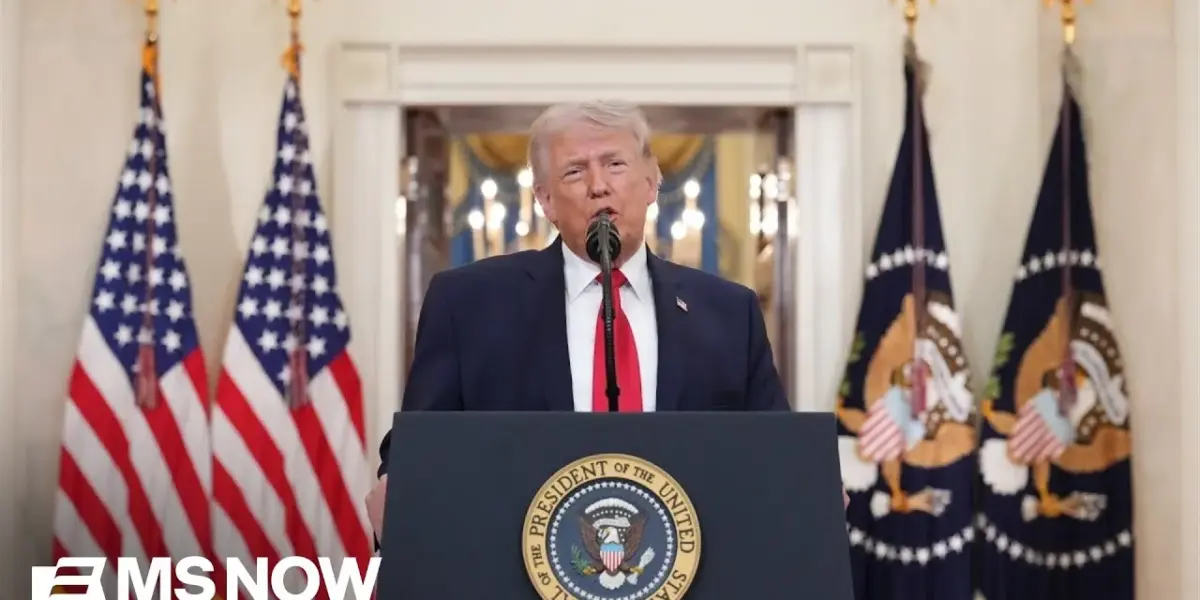
US Jet Downed Over Iran, Pilot Missing Amid Rising Tensions
A United States F-15 fighter jet has been shot down over Iran, marking a significant escalation in the ongoing conflict. U.S. officials confirmed that a search and rescue operation is underway for one of two crew members aboard the downed aircraft, while the other has been successfully rescued. The incident, confirmed by MSNBC, represents a stunning development in the regional hostilities.
Iranian State Media Amplifies Incident, Criticizes US Strategy
Iranian state television affiliates reported that a U.S. fighter pilot ejected over southwest Iran. One anchor urged citizens to detain any “enemy pilot” found, calling them a “precious prize.” The Speaker of Iran’s Parliament, a key figure for potential ceasefire talks, openly mocked the United States’ “no strategy war” following the incident. This rhetoric highlights the propaganda victory Iran may gain from the downed jet.
Pentagon Shake-Up and Further Aircraft Incidents
The news of the downed jet followed a significant change at the Pentagon. Secretary of Defense Pete Hegseth dismissed the Army’s top general, a move U.S. officials attribute to personality clashes rather than policy disagreements. Additionally, The New York Times reported, citing U.S. officials, that another Air Force combat plane crashed near the Strait of Hormuz, though the pilot was safely rescued. MSNBC has not yet confirmed this second incident.
Expert Analysis: War Escalation and Presidential Rhetoric Under Scrutiny
Retired General Barry McCaffrey commented on the downed jet, stating that no combat operation is entirely safe. He noted the shift in air warfare, contrasting the loss of one aircraft in Iran with thousands lost in Vietnam. McCaffrey questioned the President’s earlier claims of having neutralized Iran’s air defenses, suggesting the reality is more complex.
“The problem now is he basically said that Iran was defenseless, that it had no anti-aircraft weapons, no ballistic missiles, and apparently they shot a jet down today.”
Rick Stengel, MSNBC Political Analyst
Rick Stengel, a former Undersecretary of State, criticized the President’s recent speech, suggesting it may have been inaccurate or exaggerated. Stengel pointed out the contradiction between the President’s assertion of Iran being defenseless and the F-15 being shot down. He expressed concern that this incident could lead to a propaganda victory for Iran, potentially mirroring past fears of captured American personnel being paraded.
Legal and Ethical Concerns Regarding Civilian Infrastructure Strikes
Margaret Donovan, a former U.S. Army Officer and Assistant U.S. Attorney, addressed the broader implications, including warnings from international law experts about U.S. strikes on Iranian infrastructure potentially being war crimes. Donovan emphasized the importance of adhering to the rules of engagement and the Geneva Conventions, especially concerning the treatment of prisoners of war. She expressed concern over statements from Secretary Hegseth that seemed to disregard these rules, potentially incentivizing harsher treatment of captured pilots.
Donovan also discussed the targeting of civilian infrastructure. While acknowledging it can be permissible if linked to a military advantage, she questioned whether such strikes are being used as unlawful leverage or negotiating tactics. She urged the U.S. to uphold its role as a standard-bearer for international law in armed conflict.
Political Ramifications and Strategic Stalemate
Ashley Parker, a staff writer for The Atlantic, noted that the White House has remained largely quiet on the latest developments, with the President being briefed. She suggested that the President prefers short, decisive military actions, but that this approach is not working with Iran. The downed aircraft and missing pilot underscore the disconnect between the President’s statements and the war’s reality.
General McCaffrey believes the President is in a difficult strategic position. He described the air-sea campaign as losing momentum and targets, with the President seeking an exit strategy that protects allies and oil security without achieving regime change or halting Iran’s nuclear program. McCaffrey warned that aggressive actions, such as attempting to seize ports or raid nuclear sites, could lead to disaster.
Concerns Over Pentagon Leadership and Military Readiness
The dismissal of General Randy George was also discussed. Margaret Donovan suggested it might be linked to advice he gave the President about the risks of further military action. She criticized Secretary Hegseth’s actions, particularly his alleged efforts to block qualified individuals, including minority service members and women, from promotions. Donovan argued that Hegseth’s focus on “culture wars” is negatively impacting military readiness and morale during a critical period.
She stated that such actions by Hegseth, whom she described as lacking military leadership experience, could hinder the military’s ability to operate effectively. The firings and personnel decisions are seen as potentially damaging to the military’s capability and the morale of its personnel during a serious conflict.
Source: 'Don’t Know If an Intern Wrote It': Rick Stengel on Trump’s Iran Speech (YouTube)

Related Articles
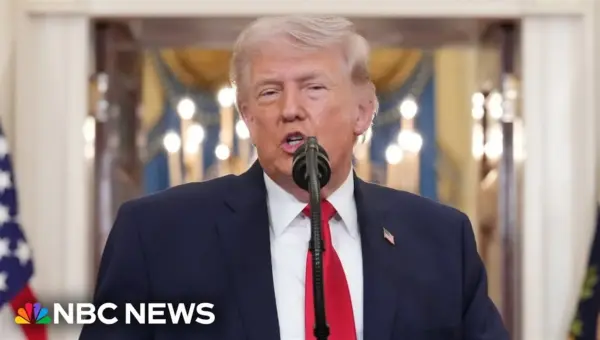
Iran Downs US Jet; Trump Vows No Impact on Talks
An American F-15 fighter jet was shot down in Iranian airspace, leading to a search for a missing pilot. Despite the escalation, President Trump stated the incident won't affect Iran negotiations, while military experts question U.S. air dominance claims.
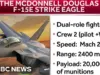
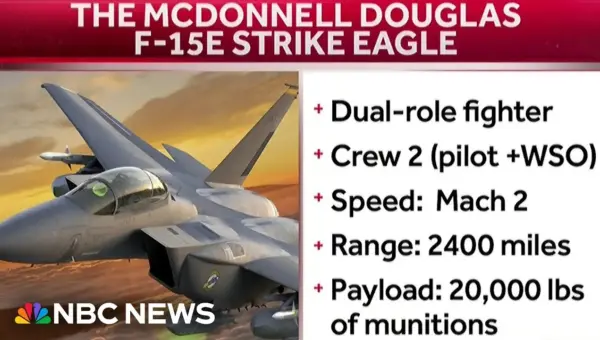
US Pilot Rescued After F-15 Jet Shot Down Over Iran
One U.S. pilot has been rescued alive after their F-15 fighter jet was shot down over Iran, U.S. officials confirmed. Search and rescue efforts are ongoing for a second pilot who remains unaccounted for. The incident challenges previous U.S. claims of full control over Iranian airspace.
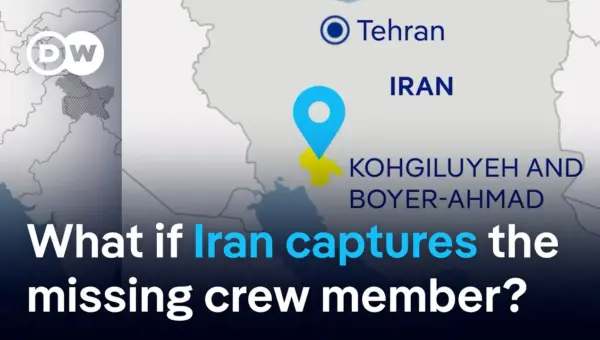
US Fighter Jet Downed in Iran; One Crew Member Rescued
A U.S. fighter jet was shot down over Iran, triggering a high-risk rescue mission. One crew member has been reportedly rescued, but the status of the second remains unknown. The incident raises questions about Iran's air defense capabilities and could impact U.S. public support for the ongoing conflict.