Iran Downs F-15E; Rescue Mission Intensifies
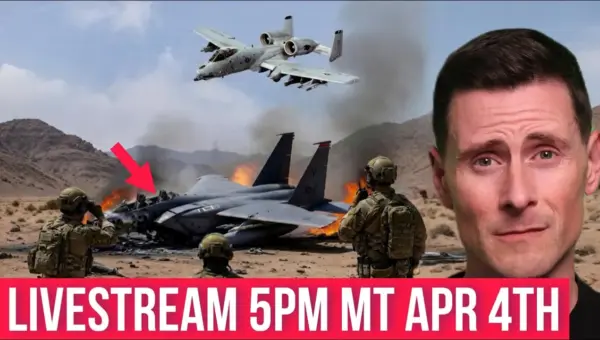
A daring rescue mission is underway in Iran for a missing F-15E aircrew member following the aircraft's downing. Elite special forces and specialized aircraft are engaged in a high-stakes operation amidst a challenging threat environment.

Iran Downs F-15E; Rescue Mission Intensifies
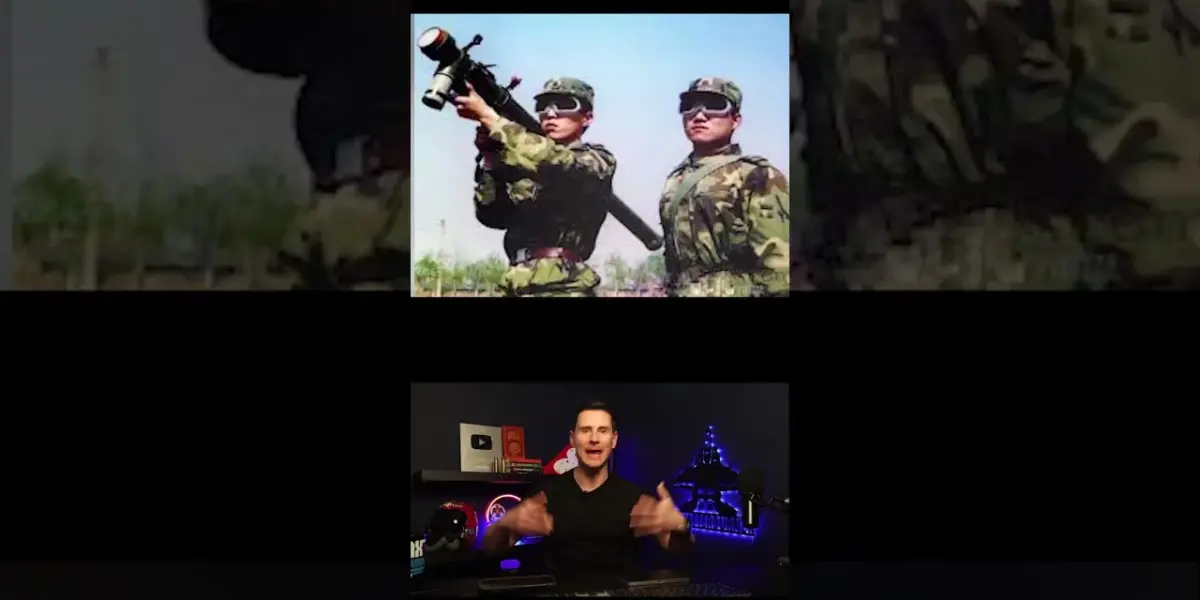
On day 35 of Operation Epic Fury, a high-stakes search and rescue operation is underway in Iran for a missing F-15E Strike Eagle aircrew member. This marks the first loss of a manned aircraft during the ongoing operation. The F-15E, a powerful twin-engine strike fighter, may have been brought down by man-portable air-defense systems (MANPADS) or Iran’s Bavar-373 air defense system. These Iranian systems could be benefiting from technological upgrades supplied by China and Russia. The presence of an estimated 5,000 MANPADS within Iran presents a significant challenge for air operations. These portable missile systems allow for ambushes, making them a threat that is difficult to detect until it is too late.
Intense Rescue Efforts Underway
A comprehensive combat search and rescue (CSAR) effort is currently being conducted. Leading the charge are A-10 Thunderbolt II aircraft, known for their close air support capabilities. They are joined by HH-60G Pave Hawk helicopters, vital for troop extraction and rescue missions. Supporting these helicopters are C-130 transport aircraft, specially configured for aerial refueling to extend the operational range of the Pave Hawks. These specialized units are working tirelessly to locate the downed aircrew member. Adding to the mission’s strength are elite special operations forces, including U.S. Pararescue jumpers, Navy SEALs, and Army Green Berets. They are all collaborating to ensure the safe recovery of their comrade.
Strategic Context and Challenges
The loss of an F-15E Strike Eagle represents a significant development in Operation Epic Fury. This aircraft is a critical asset for deep penetration strikes and air-to-ground attack missions. Its downing highlights the evolving threat environment in Iran, particularly the effectiveness of mobile air defense systems like MANPADS. These systems can deny freedom of movement to aircraft, even advanced ones like the F-15E. The sheer number of MANPADS mentioned suggests a widespread threat, capable of being deployed quickly in various locations. This forces aircrews to operate with extreme caution, increasing mission complexity and risk.
What This Means on the Ground
The ongoing rescue mission underscores the high value placed on aircrew survival. The deployment of multiple specialized aircraft and elite special forces units demonstrates a commitment to recovering personnel, even in hostile territory. This situation creates a complex tactical challenge. Rescuers must not only locate the missing individual but also do so while facing potential threats from the ground and air. The presence of advanced air defense systems means that the airspace itself is contested. This requires careful planning and execution to avoid further losses. The intensive nature of the rescue operation also draws resources away from other potential mission objectives.
Historical Parallels
The challenges faced in this rescue operation echo historical precedents in modern warfare. The use of MANPADS as a significant anti-aircraft threat became prominent in conflicts like the Soviet-Afghan War. Their proliferation continues to pose a danger to air power in various theaters. Similarly, the concept of combat search and rescue is a critical component of air operations, especially when aircrews are downed behind enemy lines. Operations like the rescue of Captain Scott O’Grady from Bosnia in 1995 demonstrate the intricate planning and execution required for such missions.
Geopolitical Impact
The involvement of potential Russian and Chinese technological assistance in Iran’s air defense capabilities carries broader geopolitical implications. It suggests a continued effort by these nations to bolster the military capacity of countries that may challenge Western interests. This can influence regional power dynamics and potentially increase tensions. The success or failure of this rescue mission could also impact international perceptions of military capabilities and the resolve of involved nations. The complex interplay of advanced weaponry, specialized rescue forces, and geopolitical rivalries defines the current operational environment.
Source: DARING Rescue Mission Continues For F-15E Strike Eagle Aircrew in Iran (YouTube)

Related Articles
US Rescues Pilot After F-15E Shot Down in Iran
U.S. forces have rescued one crew member of an F-15E Strike Eagle shot down in Iran on April 3. The Combat Search and Rescue operation, "Operation Epic Fury," continues to search for the missing weapons systems officer deep inside Iranian territory.
Iran Claims F-15E Downed; Rescue Mission Continues
A daring rescue mission is underway for a missing F-15E Strike Eagle weapons systems officer deep inside Iran. The operation follows the F-15E's downing and an A-10's battle damage, highlighting Iran's use of MANPADS and proxy tactics. US forces have rescued one pilot, but the search for the WSO continues amidst Iranian propaganda claims.
US Pilot Missing After Fighter Jet Downed Over Iran
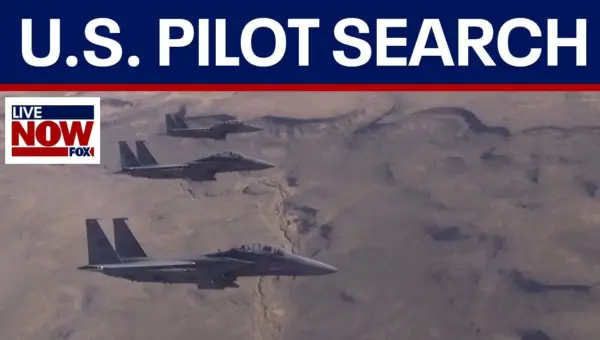
A U.S. F-15E fighter jet was shot down over Central Iran, prompting an intensive search for a missing pilot. One crew member was rescued, while Iranian state media has offered rewards for the capture of the second pilot. Elite U.S. combat search and rescue teams are facing significant challenges in the mountainous terrain.