Iran Dominates Hormuz: Trump’s Deal Fails to Reclaim Key Waterway
Iran has significantly strengthened its control over the vital Strait of Hormuz, challenging previous assumptions about its influence. Despite potential deals, ideological drivers and a sense of strategic advantage appear to empower Iran, impacting global oil security.

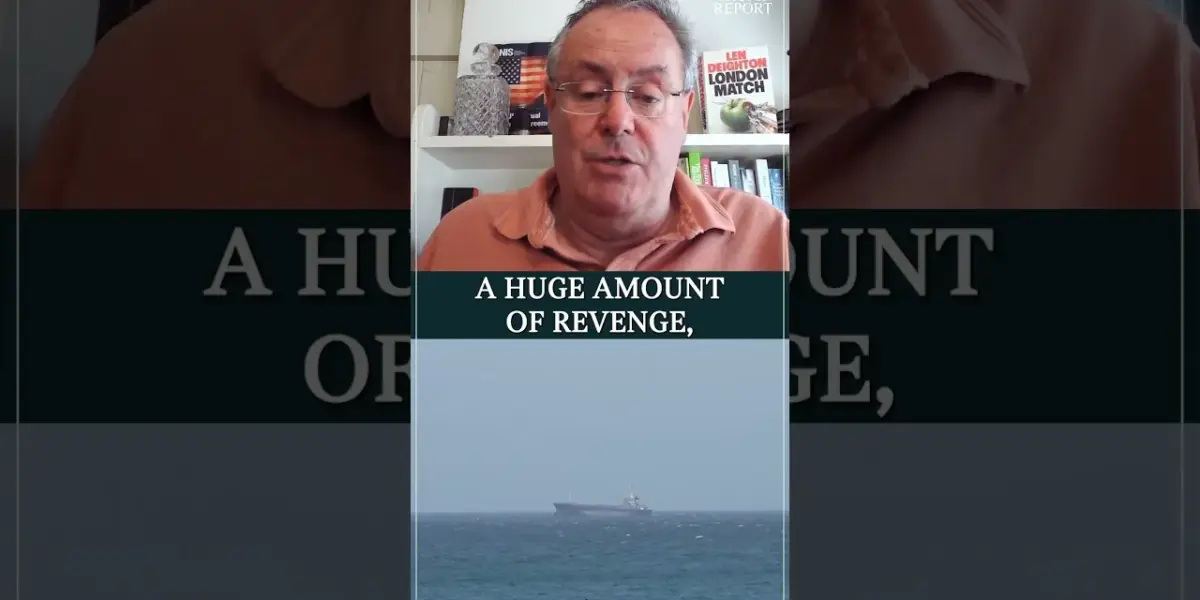
Iran’s Grip Tightens on Vital Strait
The waters of the Strait of Hormuz are a crucial pathway for global oil. For years, the United States and its allies have sought to ensure safe passage. However, a recent analysis suggests that Iran, despite any ceasefire deals, has significantly strengthened its control over this vital waterway. This shift in power presents a major challenge for the region and for American foreign policy.
A Shifting Power Balance
The countries bordering the southern Persian Gulf, like Saudi Arabia and the UAE, want the Strait of Hormuz to remain open for trade. They depend on it for their economies. But the question is how they can achieve this without Iran’s cooperation or by finding a way to lessen Iran’s influence. The current situation shows Iran in a far more powerful position regarding the Strait than it was in the past.
Deals and Deception
It’s difficult to see how this situation can be easily resolved. Any deal to open the Strait might require massive, undisclosed payments to Iran’s leaders. These payments would likely happen through unofficial channels, away from public view. Even if such payments were made, Iran’s deep-seated desire for revenge and its strong ideology against America and Israel remain powerful forces.
Iran now feels it holds a winning hand. This is not the outcome that President Trump, Prime Minister Netanyahu, or the world were led to believe would happen.
Ideology Over Economics?
Iran’s actions seem driven by more than just economics. A strong sense of opposition to the United States and Israel fuels its stance. This ideological drive gives Iran confidence. It believes it has a significant advantage, perhaps even a winning position, in controlling the Strait. This feeling of strength is independent of any specific agreements or the financial incentives that might be offered.
Historical Context: A Long-Standing Struggle
The Strait of Hormuz has long been a point of tension. For decades, regional powers and global superpowers have vied for influence and security in the Persian Gulf. Iran, since its 1979 revolution, has often used its strategic location to assert its power. Actions like threatening to close the Strait or harassing shipping have been part of its foreign policy toolkit. These actions are often tied to its broader opposition to Western influence and its support for certain regional groups.
The United States has historically responded by increasing its naval presence in the region. It has also worked with allies to form security coalitions. The goal has always been to deter aggression and ensure freedom of navigation. However, Iran’s ability to disrupt shipping, even temporarily, has often proven effective in drawing international attention and demonstrating its capabilities.
The Trump Administration’s Approach
During Donald Trump’s presidency, the focus was often on direct confrontation and sanctions against Iran. The aim was to pressure Iran economically and force it to change its behavior. This included seeking deals to de-escalate regional tensions. The idea was that by isolating Iran and weakening its economy, its ability to project power, including in the Strait of Hormuz, would be diminished.
The analysis suggests that this strategy may not have achieved its intended results in the Strait. Instead of losing control, Iran appears to have consolidated its position. This is despite any ceasefire agreements or public pronouncements about regaining influence. The perception that Iran holds a stronger hand now than before indicates a potential miscalculation in the effectiveness of the previous administration’s policies.
Why This Matters
The control of the Strait of Hormuz is not just a regional issue; it’s a global one. Roughly 20-30% of the world’s oil traded by sea passes through this narrow channel. Any disruption can lead to spikes in oil prices worldwide. This affects everything from the cost of gasoline at the pump to the price of goods transported by sea. Instability in this region can also have wider geopolitical consequences, potentially drawing other nations into conflict.
Implications and Future Outlook
The current situation suggests a challenging road ahead. If Iran feels it has a strong hand, it may be less inclined to compromise. This could lead to continued tensions and potential confrontations. For the southern Gulf countries, finding a stable solution becomes even more complex. They must balance their economic needs with the reality of Iran’s strengthened position.
Looking forward, the effectiveness of future diplomatic efforts will be key. Will new administrations seek different approaches? Can a sustainable balance of power be found that ensures stability without relying solely on sanctions or military deterrence? The role of ideology in Iran’s foreign policy will likely continue to be a significant factor. Understanding this motivation is crucial for any successful negotiation or de-escalation strategy.
The global community will be watching closely. The ability to navigate these complex dynamics will determine the future of oil security and regional stability in one of the world’s most critical maritime choke points. The initial promise of a strong stance leading to Iranian concessions seems to have fallen short, leaving a more entrenched Iranian influence in its wake.
Source: Has Trump lost control of the Straits of Hormuz for good despite ceasefire deal with Iran? (YouTube)

Related Articles

Oil Prices Stay High as Ceasefire Talks Crumble
The fragile ceasefire agreement is showing signs of collapse, with escalating tensions and disputed terms threatening renewed conflict. Disruptions in the Strait of Hormuz loom, potentially driving oil prices higher and impacting global markets. Investors are advised to brace for continued volatility and adopt a cautious investment strategy.
GOP Rep: AOC’s Military Stance is ‘Act Two’ of Defiance
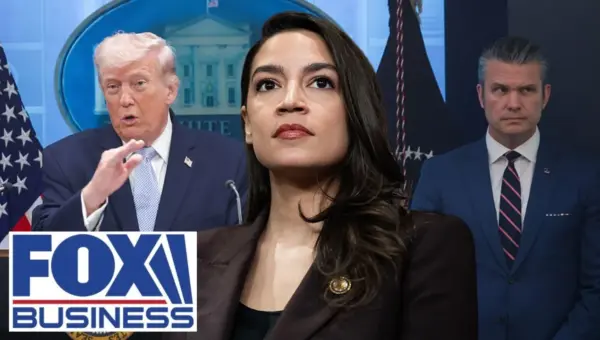
A Republican congressman criticized Representative Alexandria Ocasio-Cortez's stance on military orders, calling it "Act Two" of progressive defiance. The comments highlight ongoing debates about foreign policy, particularly concerning Iran's nuclear program and regional stability.

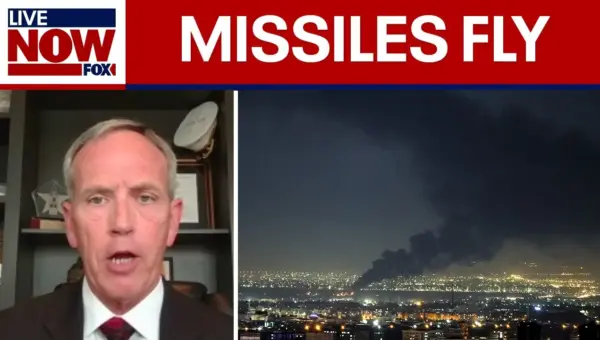
Iran Violates Ceasefire: Missiles Fly After US-Iran Deal
Despite a declared ceasefire between the US and Iran, ballistic missiles and drones continue to fly, with the UAE reporting ongoing attacks. Experts question the scope of the deal, especially concerning regional allies and Iran's nuclear program. The situation remains tense as negotiations progress.