Iran Diplomacy Faces Skepticism Amid Troop Buildup
The U.S. is pursuing diplomatic talks with Iran amid potential troop deployments to the Middle East. General Jack Keane expresses skepticism about Iran's trustworthiness, citing a history of deception. Developments in drone warfare and geopolitical alignments with Russia are also key concerns.

Iran Diplomacy Faces Skepticism Amid Troop Buildup
The United States is exploring diplomatic avenues with Iran, even as it prepares to potentially deploy thousands of troops to the Middle East. This dual approach comes amid ongoing tensions and a history of distrust between the two nations. Saudi Arabia has hosted talks involving foreign ministers from Egypt, Turkey, and Pakistan, who believe a deal between the U.S. and Iran is worth pursuing. The White House has reportedly received an overture for intermediary talks, signaling a willingness to engage without direct dialogue.
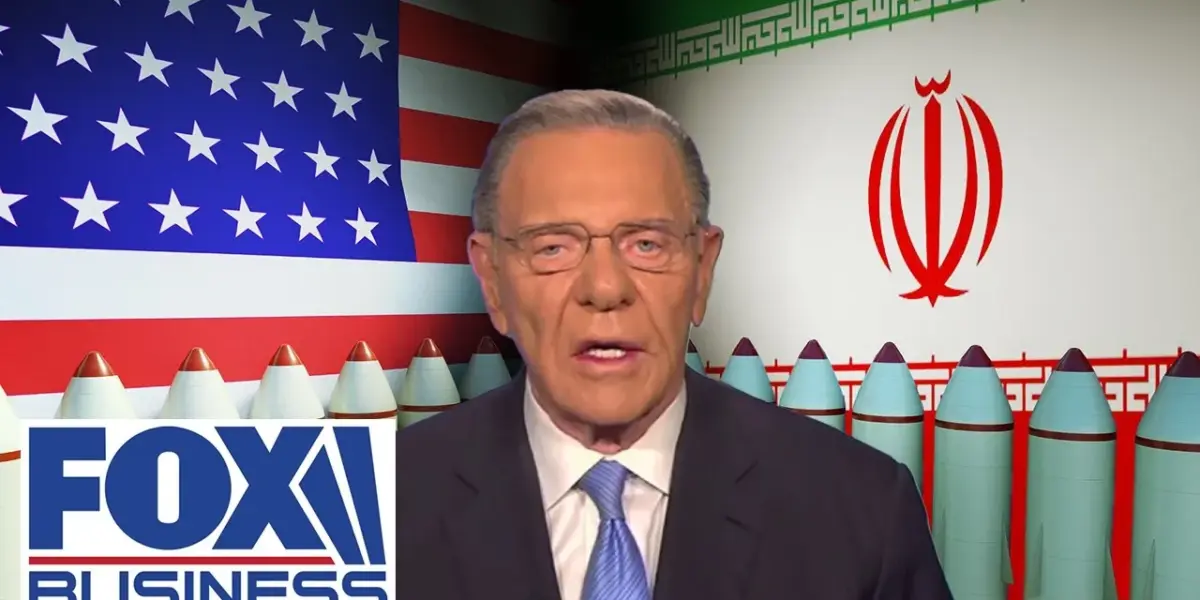
General Jack Keane, a strategic analyst and chairman of the Institute for the Study of War, expressed significant doubt about the effectiveness of these diplomatic efforts. “When negotiating with Iran, we are through them into your Tisa said they’re not negotiating with us,” Keane stated, highlighting Iran’s tendency to use intermediaries. He added that Iran has a 47-year history of being “pathological liars” and “cheaters,” making it difficult to trust their word.
Military Goals vs. Diplomatic Aims
Keane explained that President Trump is attempting to achieve through diplomacy what military operations could accomplish. Military commanders, including Admiral Bradley Cooper of Central Command, are confident that military action could secure the Strait of Hormuz and neutralize Iran’s ballistic missile and nuclear capabilities. The key question is whether diplomacy can achieve these same outcomes.
The goals of any potential deal would likely include regime survival for Iran, removal of sanctions, and compensation for damages. However, Keane remains highly skeptical that Iran will significantly alter its behavior or capabilities through negotiation alone. He pointed to Iran’s past actions, such as denying long-range missile capabilities while possessing them, as evidence of their untrustworthiness.
“We were absolutely convinced because we have the evidence that they wanted to build ICBMs, intercontinental missiles, similar to what Russia and China have,” Keane said. The motivation for potential military action was to permanently remove this capability, and the U.S. hopes to achieve this without conflict.
Drone Warfare and Countermeasures
The discussion also touched upon the growing threat of drone warfare. In recent conflicts, Iran has launched thousands of drones targeting bases in the region. The CEO of a drone security company noted that effectively defending against these layered drone attacks requires a multi-faceted approach. This includes electronic warfare to disable drones and specialized counter-drone systems.
Keane acknowledged the threat but pointed to the development of countermeasures. “We have electronic warfare to separate drones and knock them down,” he said. He also mentioned that counter-drone technology, used effectively in Ukraine where over 4,000 drones were reportedly downed, is now available to U.S. forces. This technology could be deployed on ships to protect commercial shipping lanes.
While acknowledging that the initial cost of countering cheap drones can be high, Keane believes that balance is being restored. “A lot of these have been defeated, obviously. Casualties are incredibly low on the U.S. side and the Israeli side,” he noted.
Russia’s Role and Geopolitical Alignments
The conversation turned to the cooperation between Russia and Iran. Ukrainian President Zelenskyy has stated that his military has irrefutable evidence of Russia collaborating with Iran, using its signals intelligence capabilities. Keane views this partnership as a significant challenge to the United States.
“Clearly, this is their partner. The Iranians built a manufacturing factory, these are the drones of the Russia and Ukraine,” Keane explained. He believes Russia is providing Iran with intelligence, particularly valuable for targeting moving ships. “This is their partner. We have to remember they are in line with Iran and China and in line with North Korea. It’s a significant challenge to the United States since World War II,” he concluded.
Market Impact
The ongoing diplomatic overtures from Iran, coupled with the potential U.S. troop deployment, create uncertainty in the global markets. Geopolitical instability in the Middle East can impact oil prices, supply chains, and investor confidence. While diplomacy aims to de-escalate tensions, the deep-seated distrust and Iran’s history of alleged deception cast a shadow over the negotiations.
Investors should monitor developments closely. The successful de-escalation of tensions could lead to a stabilization of energy markets. Conversely, any breakdown in talks or escalation of military action could trigger volatility. The increasing role of drone technology in modern warfare also presents both risks and opportunities for defense sector investors.
The alignment of Russia, Iran, and North Korea poses a significant geopolitical challenge. This bloc’s actions and their impact on global stability will be crucial factors for market participants to consider in the coming months.
Source: 'PATHOLOGICAL LIARS': Gen Keane warns of potential DEEPER threat behind Iran diplomacy (YouTube)

Related Articles


Iran Targets US With Cyberattacks, Escalating Digital Warfare
Iran is increasingly using cyberattacks to challenge the U.S., as seen in a recent hack of the FBI director's account. Experts say this is a strategic shift due to Iran's limitations in conventional warfare. The U.S. needs to strengthen its digital defenses, focusing on encryption and cloud computing, rather than solely relying on traditional security measures.

Ukraine Strikes Russian Oil Refinery, Eyes Iran Threat
Ukrainian forces struck a key Russian oil refinery, disrupting Moscow's war capabilities. Meanwhile, Finland's president urged continued U.S. support for Ukraine, as Kyiv shares its air defense expertise globally amid growing geopolitical complexities involving Iran and potential sanctions against Hungary.

Iran’s Missile Threat Reduced by 90%, Analyst Says
An analyst reports that Operation Epic Fury has degraded Iran's missile launchers by 90%, despite challenges in targeting hidden sites. The conflict's duration and media coverage are also discussed, with implications for global energy markets and investor confidence.