Iran Denies Turkey Missile Strikes as NATO Expert Casts Doubt
NATO defenses intercepted an Iranian ballistic missile over Turkey for the second time, prompting Iran to deny aggressive intent. However, a NATO expert expressed strong doubts, calling Iran's claims difficult to believe amidst escalating regional tensions. Turkey continues its delicate balancing act between its alliance obligations and regional diplomacy.

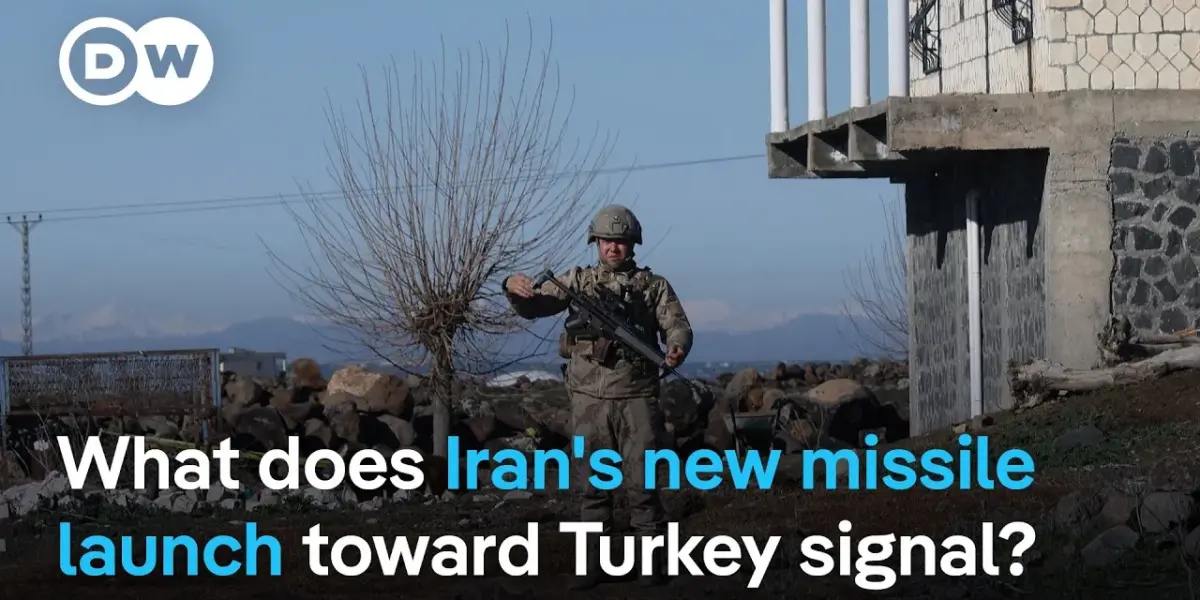
NATO Intercepts Iranian Missile Over Turkey, Tehran Denies Aggression
An Iranian ballistic missile was intercepted by NATO defenses over Turkey for the second time since the ongoing conflict began, raising significant security concerns for the NATO member. Despite the close calls, Iran has officially denied any intention of attacking Turkey, a statement that is being met with skepticism from international security experts. Turkey, a crucial member of the North Atlantic Treaty Organization (NATO), has found itself in a precarious position, attempting to navigate its complex relationship with Iran while upholding its alliance commitments.
Expert Questions Iran’s Claims Amidst Regional Tensions
Michael J. Williams, a Professor of International Affairs at Syracuse University and an expert on NATO, has expressed strong doubts regarding Iran’s denials. Speaking to DW News, Williams highlighted the difficulty in accepting Tehran’s claims at face value, given the circumstances. “It’s difficult to believe Iran’s claim that they did not want to attack Turkey,” Williams stated, emphasizing the strategic implications of such intercepts. He further elaborated on the potential motivations and the broader geopolitical landscape that Turkey is currently navigating.
“It’s difficult to believe Iran’s claim that they did not want to attack Turkey.” – Michael J. Williams, NATO Expert and Professor of International Affairs at Syracuse University
The professor’s assessment suggests that the intercepted missiles, regardless of Iran’s official stance, represent a significant escalation and a direct challenge to NATO’s security architecture. The fact that these incidents have occurred twice underscores the volatility of the region and the potential for spillover effects from the ongoing conflict. Williams’s analysis points to the need for careful scrutiny of Iran’s actions and statements, particularly in the context of regional power dynamics.
Turkey’s Delicate Balancing Act: Alliance vs. Regional Diplomacy
Turkey has consistently sought to maintain a delicate balance between its role as a NATO ally and its historical, economic, and geopolitical ties with Iran. Ankara has warned Tehran that its actions, including the missile intercepts, could jeopardize the “good relations” between the two nations. However, Turkey’s response has been measured, reflecting its complex foreign policy objectives. The country aims to avoid direct involvement in the escalating conflict while simultaneously asserting its security interests and maintaining its influence in the region.
Williams explained Turkey’s strategic approach, noting that the nation is “trying to stay out of the conflict.” This stance is driven by several factors, including Turkey’s own security concerns, its economic interdependence with regional players, and its ambition to act as a mediator or a stabilizing force. The intercepts over Turkish territory present a direct threat that Turkey cannot ignore, yet a forceful reaction could entangle it further in a wider war, a scenario it appears keen to avoid.
Geopolitical Implications and NATO’s Response
The repeated interception of Iranian missiles over Turkish airspace has significant geopolitical implications. It highlights the immediate threat posed by the conflict to NATO’s eastern flank and underscores the importance of the alliance’s collective defense mechanisms. NATO’s swift action in intercepting the missiles demonstrates its capability and resolve to protect its member states.
The incidents also raise questions about Iran’s strategic intentions and its willingness to risk direct confrontation with NATO. While Iran denies targeting Turkey, the proximity and nature of the intercepted projectiles suggest a potential for miscalculation or a deliberate probe of NATO’s defenses. The situation compels NATO to reassess its readiness and its strategies for managing regional conflicts that have the potential to destabilize allied territories.
Broader Context: The Shadow of Regional Conflict
These events unfold against the backdrop of a deeply unstable Middle East, where simmering tensions have erupted into open conflict. The proximity of Iran to Turkey, coupled with the ongoing hostilities in the wider region, creates a volatile environment. Turkey, strategically located at the crossroads of Europe and Asia, finds itself particularly exposed to these geopolitical currents.
The international community is closely watching how these developments will shape regional alliances and international security. The credibility of Iran’s denials and the effectiveness of NATO’s defensive measures will be critical factors in determining the future trajectory of the conflict and its impact on global stability. The professor’s skepticism serves as a reminder that in matters of international security, actions often speak louder than words.
Looking Ahead: Vigilance and Diplomatic Maneuvers
As the situation continues to evolve, all eyes will be on the actions of Iran and the response of NATO and Turkey. The coming weeks will likely see increased diplomatic activity as nations attempt to de-escalate tensions and prevent further escalation. Turkey’s ability to maintain its balanced approach will be crucial, as will NATO’s continued vigilance in safeguarding its member states. The international community will be looking for clear signals regarding Iran’s long-term intentions and its commitment to regional stability.
Source: Iran denies second Turkey strike – NATO expert doubts claim | DW News (YouTube)

Related Articles

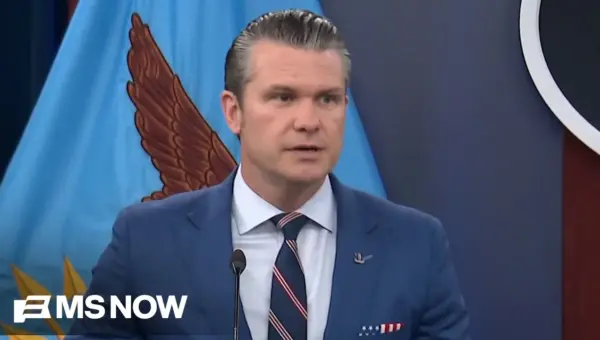
US Escalates ‘Epic Fury’ Strikes Against Iran
The U.S. has intensified Operation Epic Fury with its most significant strikes inside Iran to date, targeting missile stockpiles, naval capabilities, and nuclear ambitions. Officials described the operation as decisive, efficient, and a stark departure from previous prolonged conflicts.


Iran Soccer Players Granted Asylum in Australia After Anthem Protest
Five Iranian women's soccer players have been granted asylum in Australia after a silent protest during their national anthem at a tournament sparked backlash at home. Australian Prime Minister Scott Morrison confirmed the players are in a safe location after receiving humanitarian visas. The move follows international calls for protection, with fears they would face severe consequences if returned to Iran.


Bitcoin Surges Amidst Global Turmoil, Eyes Next Resistance
Bitcoin shows remarkable resilience, rallying amidst growing geopolitical tensions and oil market volatility. The digital asset's ability to overcome key resistance levels and navigate global uncertainty will determine if its upward momentum can continue.