Iran Denies Leader Khamenei Killed Amidst Conflicting Reports
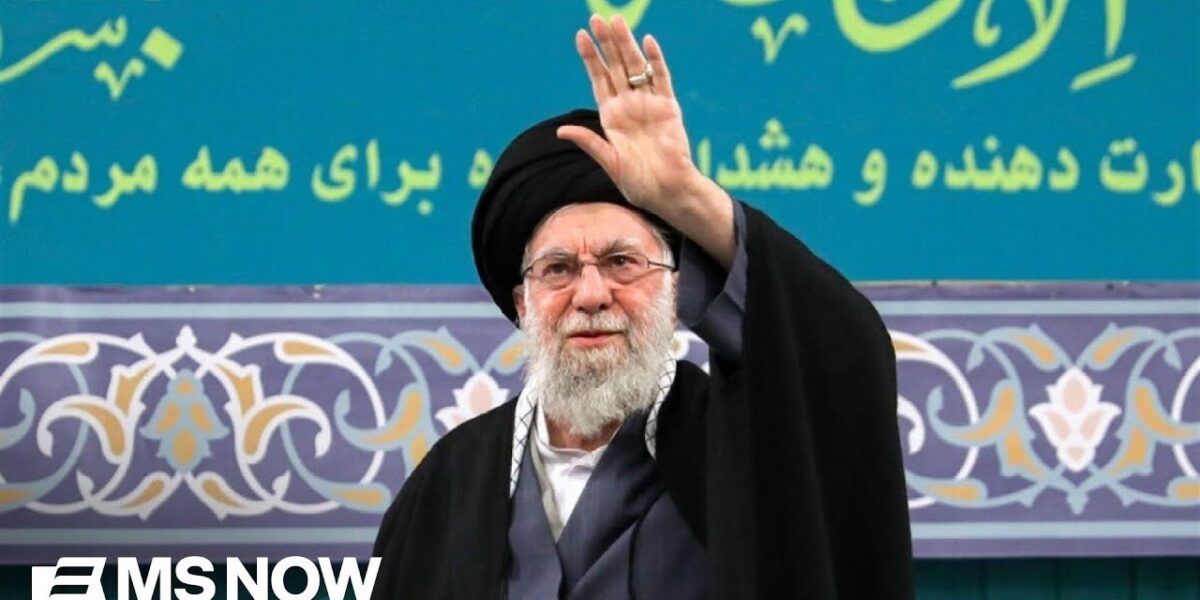
Conflicting reports have emerged regarding the status of Iran's Supreme Leader, Ayatollah Ali Khamenei, following overnight strikes. Israeli officials claim intelligence suggests Khamenei was killed, while Iran vehemently denies the reports, stating he is alive and well. The U.S. has yet to officially confirm either narrative amidst escalating regional tensions.

Iran Denies Leader Khamenei Killed Amidst Conflicting Reports
In a rapidly developing situation, conflicting reports have emerged regarding the status of Iran’s Supreme Leader, Ayatollah Ali Khamenei. While Israeli officials, including Prime Minister Benjamin Netanyahu, have cited intelligence suggesting Khamenei was killed in overnight strikes, Iranian authorities have vehemently denied these claims, asserting that the leader is alive and well. The United States has yet to officially confirm or deny the reports, leaving a significant information vacuum amidst escalating regional tensions.
Escalation and Conflicting Narratives
The claims of Khamenei’s death surfaced early this morning following coordinated strikes by the U.S. and Israel targeting Iranian leadership. Prime Minister Netanyahu reportedly indicated that multiple indicators pointed to the Supreme Leader’s demise. However, Iran’s government has countered this narrative, stating that Khamenei, along with President Hassan Rouhani, remains unharmed. This stark divergence in official statements highlights the complexities and uncertainties inherent in the current “fog of war.”
“We are still reporting this out as well. But what we’re hearing and what Netanyahu said is that there are growing signs that the Supreme Leader has been killed. Israeli officials are also seem to be saying that there are signs that he has been killed as well. But we haven’t heard confirmation from the U.S. yet or, as you mentioned, from Iran either.”
– Sam Mednick, Associated Press correspondent
Life on High Alert in Israel
On the ground in Israel, residents have been living under a heightened state of alert. Since the morning strikes, air raid sirens have sounded frequently, prompting people to seek shelter. The Israeli military has been active, with reports of interceptors engaging incoming threats in the skies over Tel Aviv and other parts of the country. While there have been reports of minor injuries among the population, no fatalities have been officially confirmed. The public sentiment in Israel appears to be one of support for the offensive actions, with a strong desire to neutralize the perceived threat from Iran, even at personal risk.
“Israelis here are also saying that they are happy about this. They are supporting this offensive, that they want what they say the threat of Iran to just be finished. That they’re willing to endure attacks, injuries, they say even death, if this is going to finally be done.”
– Sam Mednick, Associated Press correspondent
Strategic Objectives and Potential Fallout
Experts suggest that the potential death of Supreme Leader Khamenei could have profound implications for the stability of the Iranian regime. Joel Rubin, former deputy assistant secretary of state, noted that Khamenei’s removal could dismantle the unity of the Iranian leadership, potentially leading to regime collapse. The U.S. strategy, as interpreted by some analysts, may not be aimed at direct regime change but rather at facilitating such a collapse, leaving the future of Iran to its own people. This approach contrasts with previous U.S. interventions, where the U.S. took on greater responsibility for post-conflict stabilization.
“I don’t think the prime minister would go out and say that unless he had very strong evidence pointing to that end. And for the Iranian leadership, they want to keep the image of the supreme leader alive right now. Because if he is gone, what that does is it sort of pulls the plug out from the tub, so to speak, of the unity of the Iranian regime.”
– Joel Rubin, former deputy assistant secretary of state
U.S. Strategic Focus on Missile Systems
Hugo Lowell, White House correspondent for The Guardian, reported that senior U.S. administration officials have indicated the principal reason for the recent strikes was to target Iran’s missile systems, with less emphasis on the nuclear program this time. However, previous justifications for potential strikes had included concerns over restarted enrichment activities at key sites like Fordow and Natanz. The highly targeted nature of the recent strikes on leadership figures, including Khamenei, suggests a deliberate effort by both the U.S. and Israeli intelligence communities to neutralize top Iranian officials.
Decision-Making Amidst Strikes
The decision-making process leading up to the strikes involved key figures operating from Mar-a-Lago, President Trump’s residence. This group included advisors like Steve Wyckoff, Jared Kushner, Pete Hegseth, CIA Director John Ratcliffe, and White House Chief of Staff Susie Wiles. Reports indicate that a live link existed from the Situation Room to the Mar-a-Lago “war room,” ensuring that all principal figures were involved in the unfolding events. The timing of the strikes, following a lack of progress in diplomatic negotiations and a security briefing, suggests a build-up of pressure culminating in military action.
Looking Ahead
The coming hours and days will be critical in determining the veracity of the claims regarding Supreme Leader Khamenei’s status and the broader consequences of the recent strikes. International observers will be closely monitoring Iran’s official communications, any further intelligence released by Israel and the U.S., and the reactions from global powers. The potential for increased regional instability or a significant shift in the geopolitical landscape hinges on how these conflicting narratives are resolved and what actions follow.
Source: Iran disputes U.S., Israeli claim that Supreme Leader Khamenei was killed in overnight strikes (YouTube)

Related Articles
Trump’s Shifting Iran Stance: From Dealmaker to War Talk
President Trump's rhetoric on Iran has undergone a significant shift, contrasting his past calls for diplomacy with recent threats of military action. This shift follows a period of escalating tensions, withdrawal from the Iran nuclear deal, and renewed indirect negotiations.


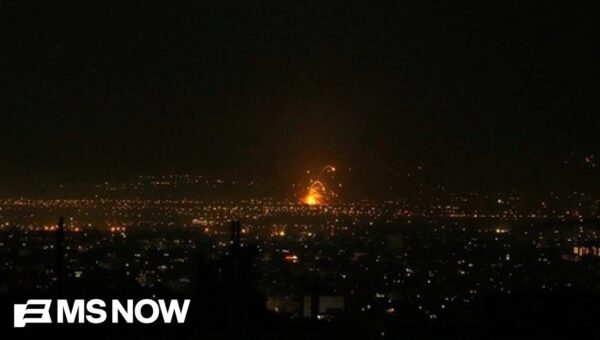
Trump Hails Iran Strikes as ‘Great Thing for Our Country’
President Donald Trump described the recent strikes in Iran that killed the country's supreme leader as "a great thing for our country." In a call with MS NOW, Trump also called celebrations in both Iran and the U.S. "fantastic."

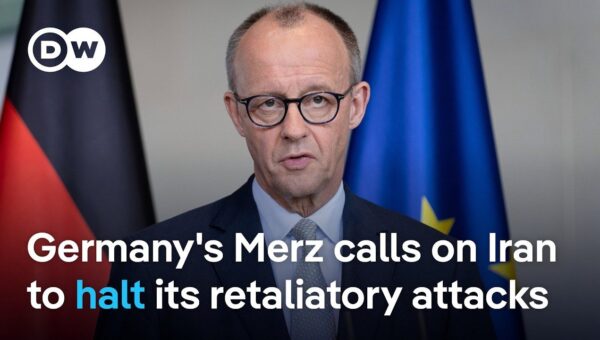
Germany on US-Israel Strikes: No “Lecturing” Partners
Germany's Chancellor Scholz calls on Iran to end its attacks and nuclear program but refrains from "lecturing" US-Israel on international law regarding recent strikes. Berlin increases security for Jewish institutions amid fears of retaliation.