Iran Denies Ceasefire Claims Amid Tensions with US
President Donald Trump claimed Iran requested a ceasefire, but Tehran has denied the assertion, calling it baseless. Analysts suggest Trump seeks an 'off-ramp' amid escalating tensions, while Iran's internal decision-making has become fragmented due to recent leadership losses.

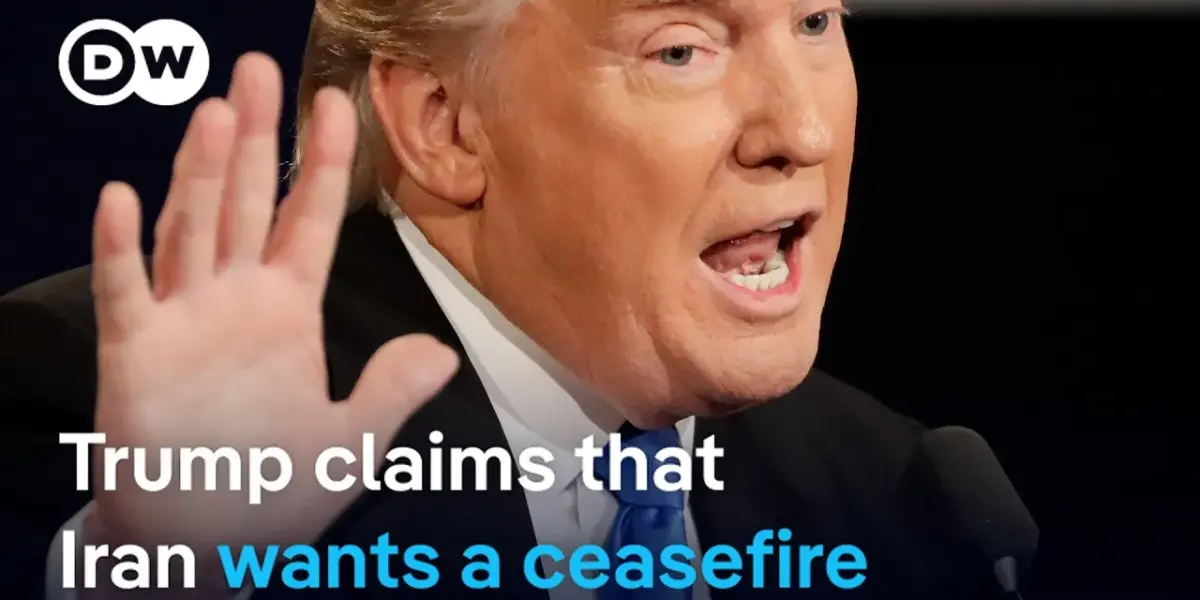
Trump Claims Iran Seeks Ceasefire; Tehran Denies
President Donald Trump has claimed that Iran’s “new president” has requested a ceasefire with the United States. Trump made the assertion on his Truth Social website, stating that Iran’s leader, described as more intelligent than predecessors, sought a truce. He added that the U.S. would only consider this once the Strait of Hormuz was open and free, threatening to otherwise reduce Iran to the “stone ages.” However, Iran’s foreign ministry has swiftly denied these claims, calling them false and baseless. Notably, Iran does not have a new president; the same leader remains in power.
Lack of Evidence for Trump’s Claims
When questioned about the evidence for his assertion, President Trump reportedly offered no verifiable proof. He instead referred to alleged back-channel communications, which have not been confirmed by Iran or any independent sources. Trump pointed to claims that Iran’s leadership was more open to negotiations and suggested private or indirect outreach from Tehran. This lack of concrete evidence fuels skepticism regarding the validity of his statement.
Who Speaks for Iran?
Iran’s foreign ministry officially handles public diplomacy and messaging, and it is this body that has publicly denied any direct talks with the United States. However, analysts suggest that true power in Iran resides with the Supreme Leader and a network of security institutions, including the Revolutionary Guard. These powerful entities often operate away from public view and have a history of using intermediaries or back channels for communication. Therefore, while the foreign ministry denies negotiations, it’s possible that other, less public channels are indeed active, making both Trump’s claim and Iran’s public denial simultaneously true.
Trump’s Search for an ‘Off-Ramp’
President Trump appears to be seeking a way to de-escalate the current tensions, especially with a looming deadline for the opening of the Strait of Hormuz. His approach to resolving the situation remains unpredictable, as he has a history of shifting deadlines and statements. Potential strategies for Trump include a quiet de-escalation where tensions ease without a formal agreement, an informal understanding where both sides publicly deny any deal while stepping back, or simply declaring victory by claiming his pressure tactics worked, even without clear proof.
Fragmented Decision-Making in Iran
Recent events have led to a more fragmented decision-making process within Iran. According to Professor Favas Ghassem, the assassinations of top Iranian leaders by Israel and the United States have disrupted centralized strategic planning. With key figures gone, the president, head of parliament, and the Revolutionary Guard may each be operating with less coordination. This situation makes reaching an enduring ceasefire settlement between the U.S. and Iran potentially very difficult, as there isn’t a single, unified voice consistently driving policy.
Iran’s Survival Strategy
Professor Ghassem suggests that Iran’s primary goal in the current conflict is survival. Despite facing significant military pressure from the U.S. and Israel, Iran has, in his view, turned a weak hand into a stronger one by asserting control over the Strait of Hormuz. He argues that President Trump, conversely, has weakened his own position. The rising global energy prices, driven by the conflict, are putting pressure on the U.S. economy, forcing Trump to desperately seek a narrative of victory to exit the situation. However, Iran may not be inclined to provide him with an easy way out.
Unpredictability and Congressional Concerns
The shifting deadlines and contradictory statements from President Trump highlight a personalized, one-man decision-making process, raising questions about the role of American institutions like the State Department and the National Security Council. Former defense secretaries have publicly called on Congress to assert its foreign policy responsibilities and hold the president accountable, emphasizing the lack of a clear strategy or endgame. They argue that Trump is waging war unilaterally, bypassing the constitutional power of Congress to declare war.
Broader Regional Implications
While the U.S. and Israel may have achieved tactical gains, such as damaging Iran’s infrastructure and eliminating leaders, Professor Ghassem believes they have strategically lost the war. Iran’s survival and its assertion of control over the Strait of Hormuz, a vital global shipping route for oil and gas, are seen as significant strategic victories. If Iran were to impose tolls on ships passing through, it could generate substantial annual revenue. The ongoing conflict’s outcome remains uncertain, with the potential for complete destruction of Iran’s industrial base or, conversely, a strategic shift in regional power dynamics.
Source: Iran denies Trump's claim that Iran's "new president" has asked for a ceasefire | DW News (YouTube)

Related Articles

Trump’s Leadership: A Moral Compass Gone Astray?
Former President Donald Trump's public behavior, including attacks on celebrities and reactions to deaths, raises concerns about moral leadership. Critics argue this sets a poor example for young people seeking guidance. The contrast with past leaders highlights a debate on expected conduct in politics.

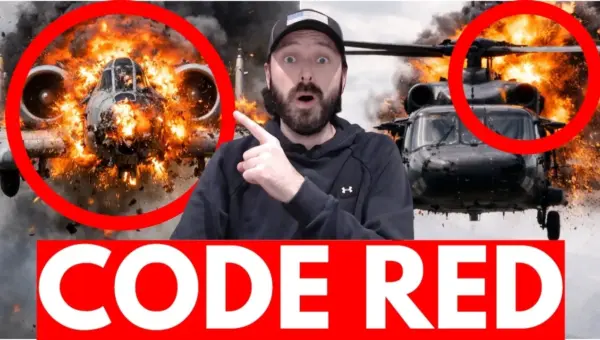
Iran Downs U.S. Jets, Strikes Helicopters in Escalating Conflict
Iran has shot down two U.S. jets and struck multiple helicopters during rescue operations, leading to U.S. retaliatory strikes. The status of a missing U.S. airman remains unknown amidst escalating conflict.

Ex-Marine Pilot Slams Trump’s Erratic Iran Policy Amid Pilot Rescue
A U.S. service member was rescued after an F-15 fighter jet crashed in Iran, but a second crew member remains missing. Former Marine pilot Amy McGrath criticized President Trump's "erratic" Iran policy and lack of a clear strategy amid the ongoing search and rescue operation.