Iran Demands Uranium Enrichment Rights Amid Nuclear Talks
Iran's nuclear chief has demanded the right to enrich uranium as part of any deal, directly clashing with the US stance against enrichment. Experts believe Iran's demand signals a desire to build nuclear weapons. Upcoming talks in Pakistan could be the highest-level engagement since 1979, but deep ideological divides and differing negotiation strategies pose significant challenges.

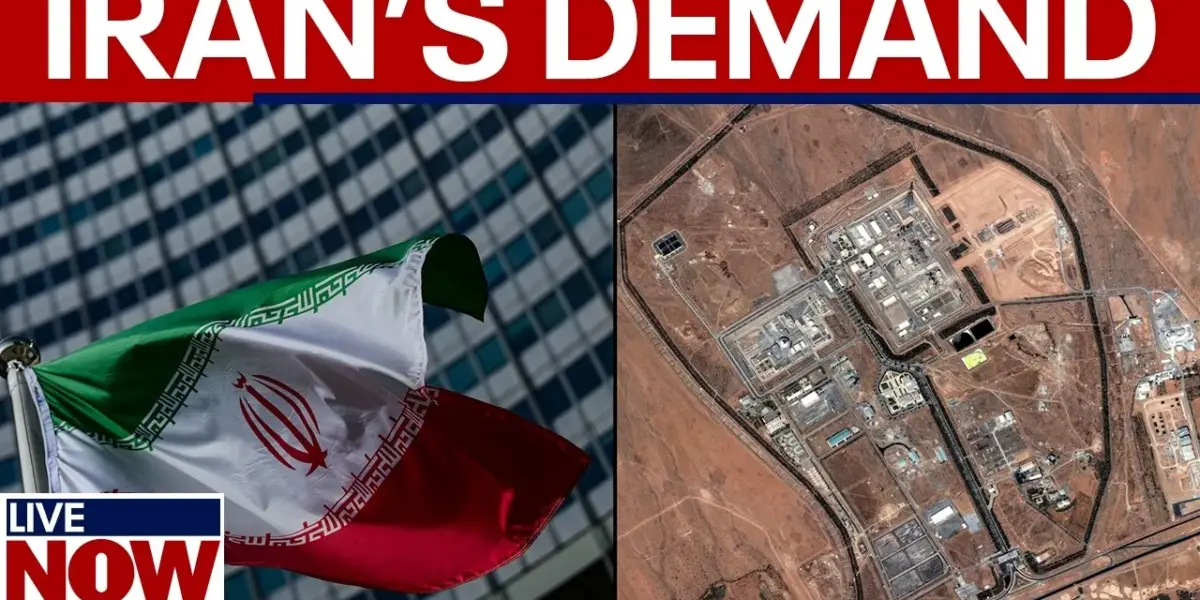
Iran Demands Uranium Enrichment Rights Amid Nuclear Talks
In a significant development, Iran’s Chief of Nuclear Energy has stated that any deal to end current tensions must include Iran’s right to enrich uranium. This demand directly challenges the long-standing position of the United States, which has been made clear by President Trump: there can be no uranium enrichment for Iran.
A Central Flaw in Past Deals
The insistence on uranium enrichment by Iran is seen by many as a key indicator of its nuclear ambitions. Experts point out that the primary reason Iran would seek to enrich uranium is to develop a nuclear weapon. This was a critical issue in the previous nuclear deal negotiated under the Obama administration, which is now considered by some to have been a flawed agreement.
US Stance Remains Firm
President Trump has consistently maintained that uranium enrichment by Iran is unacceptable. This position has been reiterated by Senator Tom Cotton, who stated that the President has always been clear on this issue. The US stance is that allowing Iran to enrich uranium would pave the way for it to build a nuclear weapon, a prospect the US is determined to prevent.
Potential Diplomatic Maneuvers
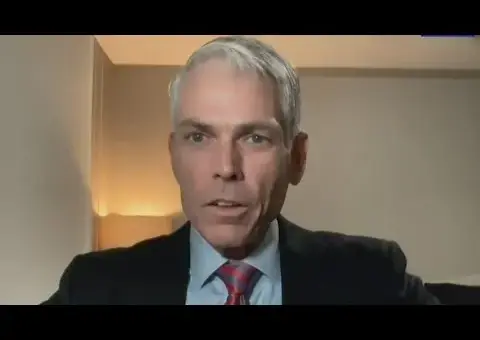
Despite the firm US opposition, there are suggestions of how a diplomatic solution might be approached. Policy Director at United Against Nuclear Iran, Jason Brodsky, explained a potential strategy. He likened the situation to a personal agreement, where one party might have a right to do something, like skydiving, but chooses not to due to safety concerns. In this context, the US might acknowledge Iran’s stated right to enrich uranium, but under any agreement, Iran would be prohibited from actually doing so. This approach could be an attempt to bridge the gap between the two sides’ demands.
“The only reason Iran would demand to enrich uranium is to build a new clear weapon. Now, all of this coming as a bit earlier today. Iran’s nuclear energy Chief told reporters that any deal to end the war must include Iran’s right to enrich, uranium.”
Skepticism Over a Comprehensive Deal
However, reaching a comprehensive deal with Iran faces significant hurdles. Brodsky expressed skepticism about the possibility of a quick resolution, citing ongoing difficulties with even basic ceasefire terms and confusion surrounding issues like the Strait of Hormuz and Lebanon’s inclusion in a potential ceasefire. He noted that it has taken decades to address these complex issues, which are deeply rooted in the Islamic Republic’s core ideology. The anti-American sentiment and the desire to see Israel eradicated are fundamental aspects of Iran’s strategic outlook.
The Long Game of Iran
Iran’s approach to negotiations is characterized by a long-term strategy. They aim to outlast administrations and wear down negotiators through slow-walking tactics. This contrasts with the shorter, four-to-eight-year cycles of US presidencies. Brodsky highlighted that Iran perceives itself as having all the time in the world, while the US operates under tighter deadlines. This misalignment in time perspectives creates a challenging dynamic for any negotiation.
High-Level Engagement Looms
Upcoming talks in Pakistan, involving US and Iranian delegations, could represent the highest level of engagement between the two nations since the 1979 Islamic Revolution. While direct, in-person meetings between top officials are possible, proximity talks, where negotiators communicate indirectly, are also likely. The potential for a brief handshake or a quick meet-and-greet between key figures is being discussed, though the core negotiations would likely occur in separate rooms with intermediaries.
Trump’s Negotiation Style
President Trump’s negotiation style is a key factor to watch. He prefers quick, decisive results and is known for his willingness to set deadlines and apply pressure. This approach differs significantly from the prolonged, less coercive talks that Iran is accustomed to. The current diplomatic dance involves offering an off-ramp while setting clear US terms and demands, with the implicit threat of military force if those demands are not met. This coercive diplomacy is a strategy Iran has not frequently encountered from American presidents.
What to Watch Next
The upcoming talks in Islamabad are a critical juncture. Observers will be watching closely to see if there is any direct engagement between the US and Iranian delegations. The best outcome might be an extension of the current deadlines, contingent on progress. However, the fundamental ideological differences and Iran’s long-term strategic approach suggest that any resolution will be complex and likely a continuation of the ongoing coercive diplomatic dance orchestrated by President Trump.
Source: Iran: No Deal Without Uranium Enrichment (YouTube)

Related Articles
US Tightens Grip: Iran Strait Blockade Sparks Global Oil Fears
The U.S. is threatening to block Iranian ports, a move that could severely disrupt global oil supplies. This action tests international law and puts major economies like China and India at risk of inflation. The standoff signals a potential shift in global power dynamics.
Iran Warns Trump Over Hormuz Strait Blockade Threat
Iran has issued a stern warning against any U.S. military vessels attempting to blockade the Strait of Hormuz, calling it a violation of a ceasefire. The U.S. blockade aims to cut off Iran's oil revenue, impacting both Iran and China. The situation is at a critical juncture, with potential for further escalation.

Iran Blocked; Oil Prices Surge; Mideast Tensions Rise
President Trump has ordered a naval blockade of the Strait of Hormuz following failed negotiations with Iran. This move aims to pressure Iran over its nuclear program and has led to warnings of higher gas prices and increased regional tensions. Meanwhile, Israel escalates its efforts against Hezbollah ahead of crucial talks.