Iran Defies US, Escalates Tensions as Trump’s Strategy Unravels
Iran is demonstrating increasing defiance, rejecting ceasefire overtures and issuing public threats against Donald Trump. Reports highlight misinformation regarding the Strait of Hormuz and questionable US war aims, raising concerns about the effectiveness of the current strategy and straining regional alliances.

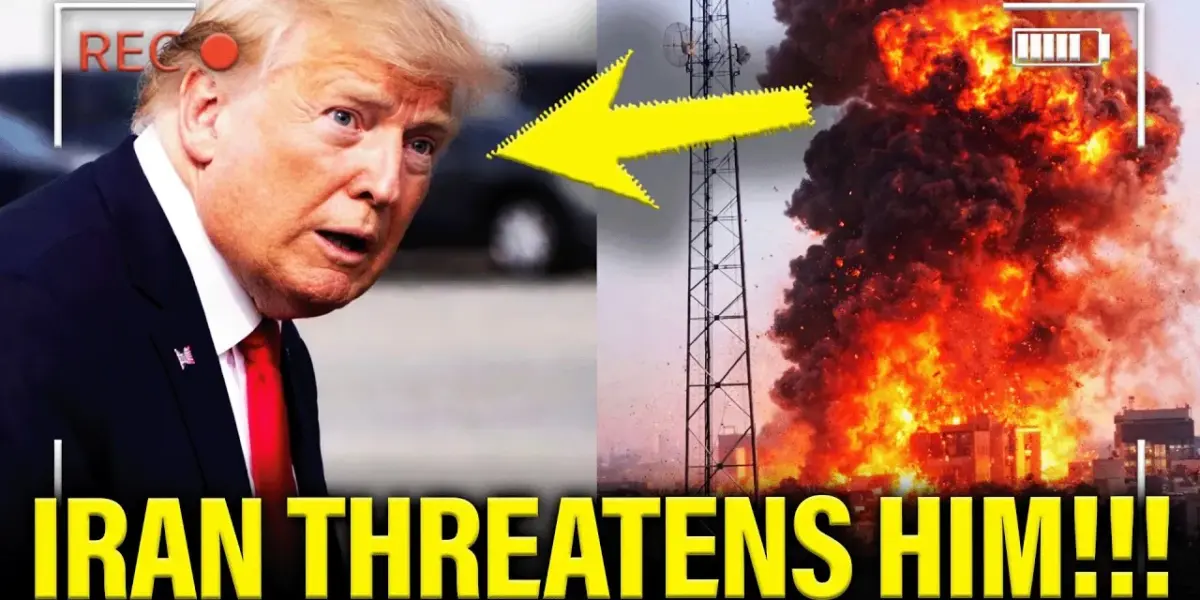
Iran’s Growing Defiance Challenges US Policy
Recent events suggest a significant shift in the geopolitical landscape, with Iran demonstrating increasing defiance in the face of what is described as a US-Israeli “onslaught.” Reports indicate that Iran has repeatedly rejected ceasefire overtures from the Trump administration, even as its leadership issues public threats against Donald Trump. This defiance, coupled with ongoing strikes against Israeli and American interests in the region, paints a picture of a US foreign policy strategy that may be faltering.
The Strait of Hormuz: A Flashpoint of Misinformation
A key area of contention and confusion has been the Strait of Hormuz, a critical chokepoint for global oil and natural gas shipments. Despite claims from the Trump administration that Navy convoys were ensuring the safe passage of cargo ships, evidence and reports suggest the opposite. The transcript highlights a deleted social media post from the Energy Secretary, which falsely claimed the US Navy had escorted an oil tanker through the strait. This misinformation reportedly caused significant volatility in oil markets, with accusations of a “mystery short seller” profiting from the fluctuations. The US Navy has also reportedly informed the shipping industry that escorts are not currently possible, citing the inherent dangers.
Questionable War Aims and Strategic Blunders
Deeper concerns are emerging regarding the stated objectives and strategic coherence of the US military involvement. Briefings attended by senators, described as closed due to the administration’s inability to defend its actions publicly, have revealed a surprising lack of clarity on war aims. According to Senator Chris Murphy, the stated goals do not include destroying Iran’s nuclear weapons program, a key objective previously emphasized by Donald Trump. Furthermore, regime change in Iran is reportedly not on the agenda. Instead, the primary focus appears to be on degrading Iran’s missile, drone, and weapons manufacturing capabilities. Critics question the long-term efficacy of such a strategy, suggesting that production could simply restart once bombing ceases, potentially leading to an “endless war.” The situation in the Strait of Hormuz is also cited as a “100% foreseeable” problem for which no clear plan exists.
Regional Alliances Strained and International Criticism
The US approach has also strained relationships with key regional allies. Arab nations, according to the analysis, are expressing frustration with the US for not consulting them before initiating military action. The timing of the US invasion, following brokered mediation efforts, has led to accusations of betrayal. These nations, who reportedly sought protection from the US, feel “screwed over,” warning that Iran’s retaliation would target them and that the US had fallen into Iran’s trap. This has, ironically, bolstered the Iranian regime’s nationalistic sentiment and strengthened its grip on power, contrary to the intended goals of regime change.
Domestic Echoes and Shifting Political Fortunes
Domestically, the narrative is complicated by accusations of misinformation and a perceived disconnect between the administration’s actions and the needs of the American people. The transcript touches upon various domestic issues, including the handling of classified information, the response to the Epstein case, and political rhetoric regarding poverty and immigration. The analysis suggests that these issues, coupled with the ongoing international conflicts, are contributing to a shift in the political landscape. Recent special election results in Georgia and New Hampshire are cited as indicators of potential Democratic gains and a rejection of certain MAGA Republican positions, suggesting that the public may be re-evaluating the current political direction.
Iran’s Evolving Capabilities and Propaganda
Iran, meanwhile, appears to be adapting and evolving its military capabilities. The use of cluster munitions in missile strikes against central Israel is highlighted as a new development that complicates defensive measures. Iranian media has also engaged in sophisticated propaganda, directly targeting Donald Trump with accusations and mockery, framing him as a pawn of economic interests rather than a protector of American well-being. This propaganda, coupled with the perceived strategic missteps by the US, appears to be consolidating support for the Iranian regime internally and projecting an image of strength internationally.
Why This Matters
The unfolding situation in the Middle East, as described, has profound implications. It raises critical questions about the effectiveness of current US foreign policy, the reliability of intelligence and public communication, and the long-term consequences of military intervention without clear, achievable objectives. The apparent miscalculations regarding Iran’s resilience and regional dynamics could lead to prolonged conflict and increased instability. Furthermore, the strain on international alliances and the use of propaganda highlight the complex and multifaceted nature of modern geopolitical struggles. The domestic political shifts mentioned suggest that the public may be growing weary of protracted conflicts and seeking different leadership priorities.
Implications, Trends, and Future Outlook
The trend suggests a potential for prolonged regional conflict, with Iran employing a strategy of attrition and economic disruption. The US appears to be struggling to define and achieve clear objectives, risking entanglement in an open-ended engagement. The future outlook points towards a more assertive Iran, potentially emboldened by perceived US weaknesses and divisions. The role of Russia in supporting Iran adds another layer of complexity, hinting at a broader realignment of geopolitical forces. Domestically, the analysis implies a growing public skepticism towards foreign interventions and a focus on internal issues, which could influence future electoral outcomes and policy decisions.
Historical Context
The current tensions can be viewed within the broader context of US-Iran relations, marked by decades of animosity, proxy conflicts, and nuclear proliferation concerns. The 1979 revolution, the subsequent hostage crisis, and the ongoing nuclear program have been central to this dynamic. Previous US administrations have employed various strategies, from sanctions and diplomatic pressure to military posturing. The Trump administration’s “maximum pressure” campaign aimed to cripple Iran’s economy and force concessions. However, as the transcript suggests, this approach may have inadvertently strengthened hardliners within Iran and fostered a more defiant stance, demonstrating that historical patterns of escalation and unintended consequences continue to shape present-day conflicts.
Source: Trump PANICS as Iran THREATENS HIM in PUBLIC!! (YouTube)

Related Articles


US Bombs Ignite Iran: A New Escalation in the Shadow War
Massive explosions rock Iran following U.S. and Israeli strikes, while Iranian attacks target oil facilities in Oman. CentCom details a campaign to neutralize Iran's naval power, warning civilians of potential strikes on port facilities.


Iran Regime Risks More Radical Extremism with Easing Western Pressure
Iran's regime may become "more radical" if Western pressure eases, warns Kasra Aarabi. Escalating tensions in the Strait of Hormuz and a crackdown on diaspora communities underscore the growing threat of a more extremist Iranian state.

Trump Faces Fierce Backlash Over War: Party Fractures Emerge
President Trump faces a growing wave of criticism over the current war, with dissent emerging from both the public and his own party. Lack of clear communication and potential troop deployments fuel national discontent and expose deep fractures within the MAGA movement.