Iran Declares Strait of Hormuz Open, Except for ‘Enemies’
Iran's Foreign Minister, Mohammad Javad Zarif, announced that the Strait of Hormuz is open, but passage is restricted for vessels belonging to the U.S., Israel, and their allies deemed to be attacking Iran. This declaration underscores ongoing regional tensions and has implications for global energy markets and maritime security.

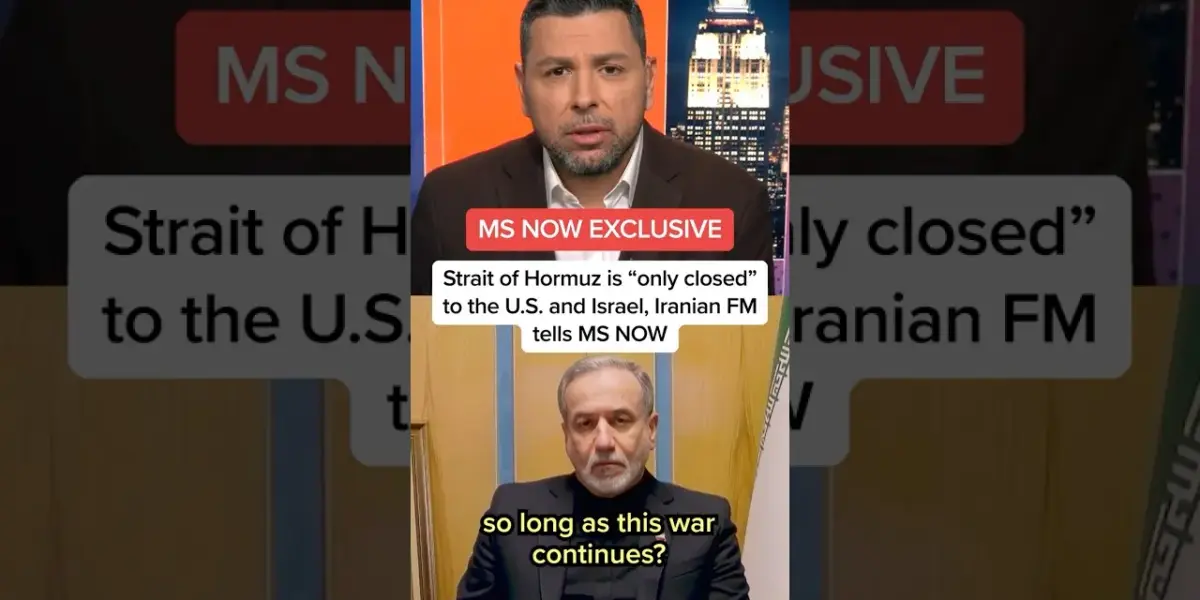
Iran Opens Strait of Hormuz, Barring U.S. and Israel
Tehran, Iran – Iran’s Foreign Minister, Mohammad Javad Zarif, has declared that the vital Strait of Hormuz remains open, with a significant caveat: passage is restricted for vessels belonging to the United States, Israel, and their allies, particularly those deemed to be attacking Iran. The statement, made in an interview with MS NOW, signals Iran’s assertive stance on controlling maritime traffic through the strategically crucial waterway.
Strategic Waterway Under Scrutiny
The Strait of Hormuz, a narrow channel separating the Persian Gulf from the Gulf of Oman, is one of the world’s most important oil transit chokepoints. Approximately 20-30% of the world’s seaborne oil trade passes through this critical passage, making any disruption a significant global economic concern. Iran’s assertion of control, even with stated openness for most traffic, highlights the ongoing geopolitical tensions in the region.
‘Enemies’ Defined by Tehran
Foreign Minister Zarif explicitly stated, “The Strait of Hormuz is open. It is only closed to the tankers and ships [that] belong […] to our enemies, to those who are attacking us, and their allies. Others are free to pass.” This declaration clearly delineates Iran’s policy, prioritizing the unimpeded passage of neutral or friendly shipping while reserving the right to impede vessels associated with nations perceived as hostile.
“The Strait of Hormuz is open. It is only closed to the tankers and ships [that] belong […] to our enemies, to those who are attacking us, and their allies. Others are free to pass.”
– Iranian Foreign Minister Mohammad Javad Zarif
Implications for Global Trade and Security
The Iranian government’s position directly impacts global energy markets and international maritime law. While Iran claims to ensure freedom of navigation for the majority of global shipping, the exclusion of specific nations, particularly the U.S. and Israel, could lead to increased friction and potential escalations. The U.S. Navy, in particular, regularly patrols the Strait to ensure freedom of navigation and counter regional threats. Any perceived obstruction could be met with a strong response, raising the specter of military confrontation.
Regional Tensions and Diplomatic Maneuvers
This statement comes amid a complex regional landscape marked by heightened tensions between Iran and several Western and Middle Eastern nations. Iran has historically viewed the presence of U.S. naval forces in the Persian Gulf as a provocation. By asserting control over passage through the Strait, Iran may be seeking to project strength and deter perceived threats, while also potentially aiming to influence international maritime policy concerning the waterway.
International Law and Freedom of Navigation
The principle of freedom of navigation is a cornerstone of international maritime law, enshrined in the United Nations Convention on the Law of the Sea (UNCLOS). While states have rights to regulate passage in their territorial waters and exclusive economic zones, the Strait of Hormuz is considered an international strait, where the right of transit passage is paramount. Iran’s policy of exclusion, even if limited to specific adversaries, could be interpreted by some as a violation of these international norms, potentially leading to diplomatic challenges and international legal scrutiny.
Looking Ahead: Monitoring the Strait’s Traffic
The international community will be closely monitoring shipping traffic in the Strait of Hormuz in the wake of this declaration. Any incidents involving vessels belonging to the U.S., Israel, or their allies that are impeded or harassed will likely draw swift condemnation and could trigger significant diplomatic and potentially military responses. The coming weeks and months will be crucial in determining whether Iran’s declared policy translates into tangible disruptions or if a degree of de-escalation prevails, allowing for the continued, albeit conditionally, flow of trade through this vital global artery.
Source: Strait of Hormuz is "only closed" to the U.S. and Israel, Iranian FM tells MS NOW (YouTube)

Related Articles
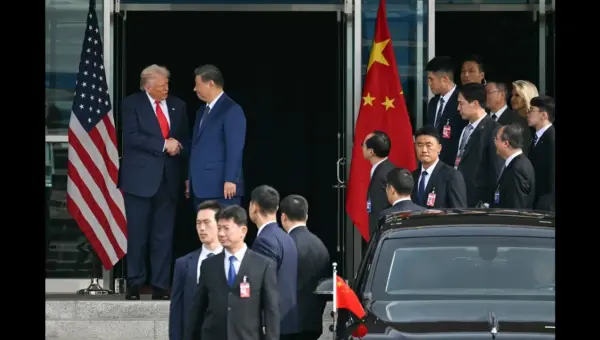
Trump’s “Walk Away” Tactic Signals Tougher Stance on China
Retired Air Force Brigadier General David Stillwell believes President Trump's strategy of being willing to walk away from negotiations puts pressure on China. This tactic, combined with US global actions and strengthened alliances, signals a more assertive American foreign policy.

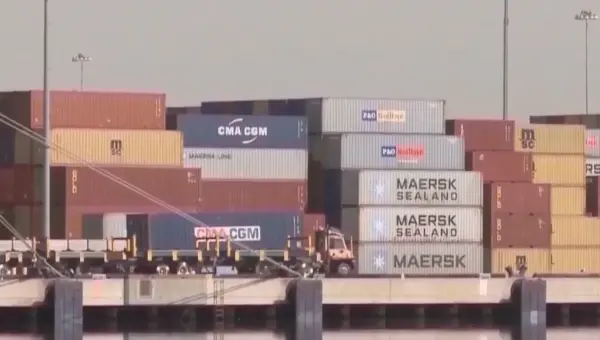
China Fights Back: Tariffs Loom Ahead of Trump Visit
China is retaliating against US trade investigations that could lead to higher tariffs. This escalating trade tension occurs just before a planned visit by President Trump. The dispute involves accusations of unfair practices and impacts global supply chains.


Israelis Forge Resilience Amidst Constant Bomb Shelter Drills
Life in Israel is a blend of resilience and constant vigilance, with many families adapting to frequent bomb shelter drills and even sleeping in makeshift shelters. Despite ongoing missile attacks, Israelis strive to maintain normalcy, though businesses face disruption and emotional fatigue is a growing concern.