Iran Deal Unlikely as US Demands Total Surrender
Retired General Jack Keane believes a deal with Iran is unlikely unless the regime agrees to total surrender of its military capabilities. He advocates for a targeted military operation to neutralize Iran's nuclear and missile programs, citing concerns over the regime's past behavior. Escalating tensions also raise concerns about rising oil prices.

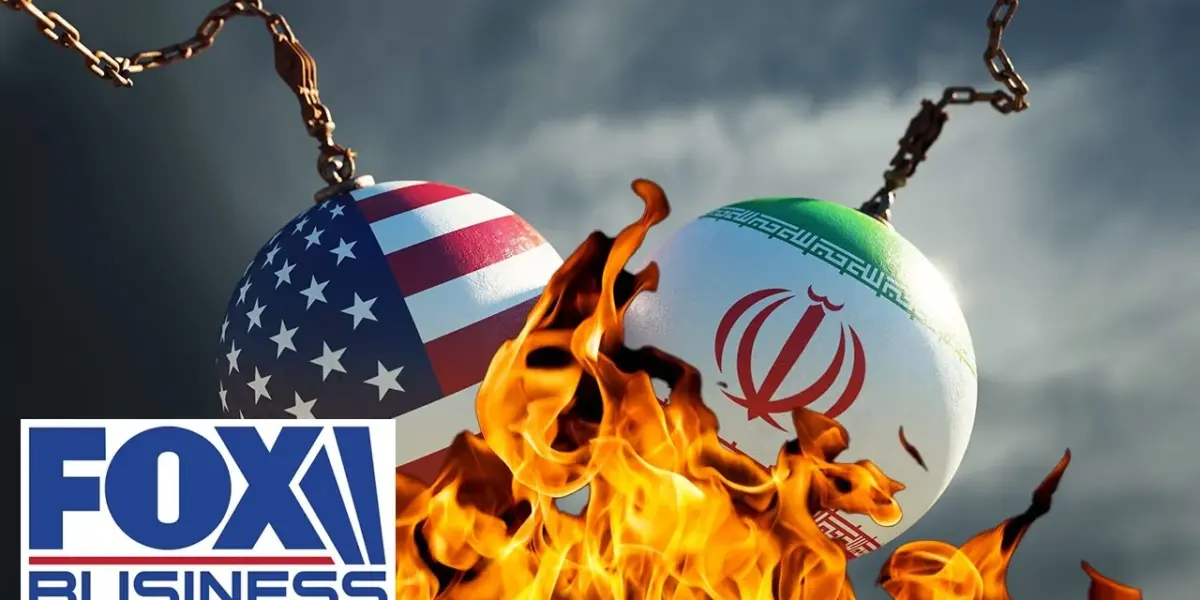
Iran Deal Unlikely as US Demands Total Surrender
President Trump has stated the United States is in serious discussions with Iran to end its operations, but retired Four-Star General Jack Keane believes any deal is highly improbable. Keane suggests that Iran would need to surrender virtually all its military capabilities for an agreement to be reached. This demand, he argues, is unlikely to be met by the Iranian regime.
Keane favors a military operation over a diplomatic solution. He outlined a plan that would focus on several key objectives. First, the U.S. would aim to take out Iran’s uranium supply and occupy Kharg Island. This would be followed by an effort to dismantle Iran’s ballistic missile inventory, primarily through air strikes.
Key Military Objectives
- Destroying remaining nuclear program elements from the air.
- Potentially conducting a temporary ground operation if air strikes are insufficient.
- Degrading drone capabilities.
- Ensuring the Strait of Hormuz remains open for global shipping.
Keane believes these objectives are achievable through military action. He pointed out a significant advantage of military operations over diplomacy. Even if a deal is struck and Iran seemingly surrenders its capabilities, Keane fears they would revert to their old ways. He cited Iran’s post-war behavior after a previous conflict, where they quickly resumed ballistic missile and nuclear development. They also continued to fund proxy groups through various financial networks.
The general highlighted that infusing capital into the Iranian regime, even as part of a deal, would likely enable these actions to continue. He expressed concern that Iran has not been set back by past operations aimed at degrading their nuclear capabilities. Therefore, any agreement that allows Iran to retain its core infrastructure and financial resources would be temporary at best.
Urgency Due to Oil Prices
The urgency to resolve the situation is partly driven by rising oil prices. Keane noted that the longer the standoff continues, the higher oil prices climb. This puts economic pressure on countries worldwide. He suggested that a military operation of the scale discussed could take around 60 days to complete, which he considers a reasonable timeframe for achieving the stated goals.
“We need to get this done fairly soon. Because if it is not, the price of oil just keeps on rising putting pressure all around the world on everybody.”
The economic impact of inaction is considerable. The situation becomes far more grave if Iran is allowed to develop long-range ballistic missiles and acquire nuclear weapons, which Keane stated is intolerable. He emphasized the difficulty of preventing a threat before it materializes compared to dealing with a problem that has already occurred.
Market Impact
The prospect of military action or continued geopolitical tension in Iran has significant implications for global energy markets. Iran is a major oil producer, and any disruption to its production or export capabilities, or the security of shipping lanes like the Strait of Hormuz, can lead to increased oil prices. Higher oil prices can fuel inflation, reduce consumer spending, and impact corporate profits across various sectors, from transportation to manufacturing. Investors often react to such geopolitical instability by seeking safer assets, potentially leading to volatility in stock markets and a rise in the price of gold.
What Investors Should Know
Investors should monitor developments in the Middle East closely. The potential for military conflict or the continuation of sanctions against Iran creates uncertainty. This uncertainty can lead to increased volatility in oil prices and broader financial markets. Companies with significant exposure to the Middle East, or those heavily reliant on stable oil prices, may experience greater fluctuations in their stock performance. It is crucial for investors to understand that geopolitical events can have a swift and significant impact on investment portfolios, making diversification and risk management essential strategies.
Source: Gen Jack Keane: Deal is DEAD without total Iranian surrender (YouTube)

Related Articles


Iran’s Strategy: Humiliate the West, Cause Global Pain
Iran's leaders are reportedly using energy and fertilizer shortages to inflict global pain and humiliate the West. This strategy could lead to a harsh winter for Europe and food crises worldwide. The situation raises concerns about potential military escalation.
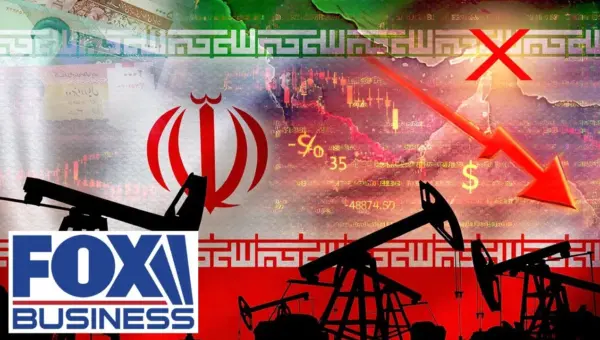
Oil Shocks Fuel Recession Fears, Markets Wobble
Soaring oil prices are rattling global markets, pushing major indices toward correction territory and sparking fears of a recession. Experts warn that prolonged energy shocks, particularly concerning the Strait of Hormuz, could severely impact economic growth. Investors are advised to maintain diversified portfolios and cash buffers.

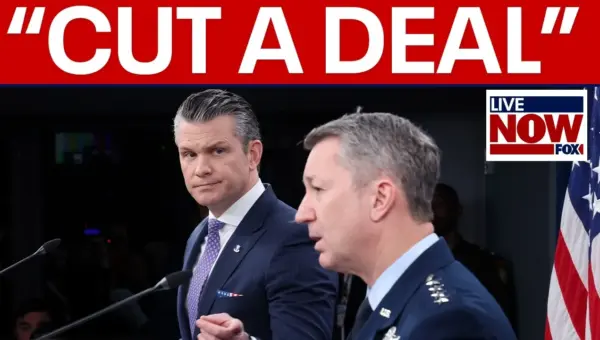
US Troops Show ‘Urgency’ in Middle East Fight
U.S. troops in Operation Epic Fury are demonstrating "wartime speed" and a powerful sense of mission focus, according to a recent Pentagon visit. Service members expressed a strong desire to finish the fight quickly for future generations, requesting more resources for operations rather than personal comforts. The ongoing pressure aims to compel Iran to negotiate, with continued military action planned if diplomacy fails.