Iran Deal Talks Spark Market Jitters, Oil Prices Surge
Tensions between the U.S. and Iran are escalating, with reports of potential deal talks and significant U.S. military actions. Oil prices have surged amid the uncertainty, impacting global markets and raising concerns about energy security.

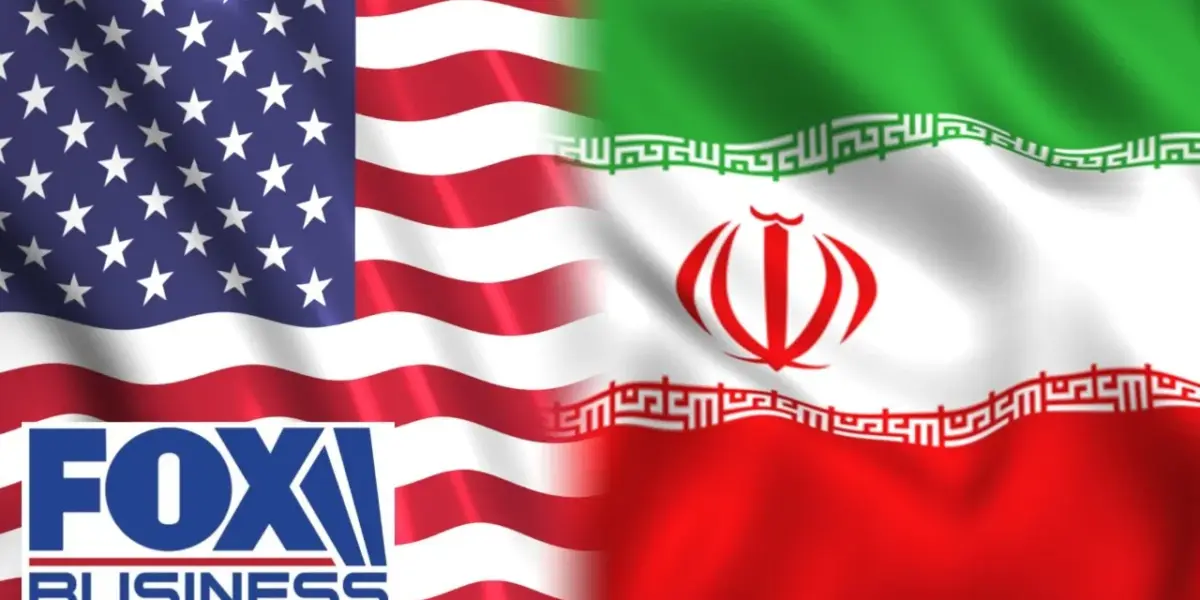
Iran Deal Talks Spark Market Jitters, Oil Prices Surge
Tensions are rising as the United States and Iran engage in a delicate dance of diplomacy and military posturing. Recent reports suggest Iran may be considering a deal to de-escalate the conflict, a move one U.S. lawmaker described as “VERY SMART.” This potential shift comes after a series of U.S. airstrikes targeting Iranian missile sites and weapons stockpiles, including the reported dropping of 2,000 bombs. The market is reacting to the uncertainty, with oil prices showing significant upward movement.
U.S. Intensifies Pressure on Iran
The United States has ramped up its efforts to pressure Iran, with recent actions including B-52 bombers flying over the region. Analysts suggest these moves are part of a broader strategy to pursue peace through strength, aiming for “America First” outcomes. The U.S. has not ruled out any options, including the possibility of deploying troops, a tactic designed to keep adversaries guessing about potential responses.
Reports indicate that Iran may be willing to negotiate an end to hostilities, provided the U.S. guarantees no further strikes. This comes after significant U.S. military action, including airstrikes on Iranian missile facilities and weapons depots. Some reports suggest that Iranian officials were killed in these bombings, adding another layer of complexity to the situation. A potential timeline of four to six weeks has been mentioned for these developments.
“Very Smart” Move for Iran to Seek a Deal
Military analysts view a potential deal as a strategically sound decision for Iran. “It would be smarter,” commented one analyst, referring to the possibility of Iran seeking an agreement. The U.S. has conducted thousands of strategic strikes, including a significant number recently, targeting ballistic missile and nuclear systems. The U.S. is also focused on securing the Strait of Hormuz, a vital waterway for international trade, particularly oil shipments.
“It would be very smart on their behalf,” noted one expert, emphasizing the importance of ensuring regional security and safety. However, there is skepticism about Iran’s willingness to negotiate, given its designation as a leading state sponsor of terrorism. Many doubt that the current Iranian leadership will fundamentally change its approach.
Strait of Hormuz: A Point of Contention
President Trump has reportedly expressed frustration with European allies for not doing more to secure oil transport through the Strait of Hormuz. He has suggested that these nations should take responsibility for their own energy security, including securing their oil supplies, rather than relying on U.S. assistance. This stance highlights a broader debate about the role of the U.S. in international security alliances like NATO.
The disruption of oil transport through the Strait of Hormuz can lead to increased global food prices, impacting economies worldwide. This situation underscores the interconnectedness of global markets and the significant effect geopolitical events can have on everyday costs, even for countries not directly involved in the conflict.
Market Reaction and Investor Outlook
The market is showing signs of stress due to the escalating tensions and the potential impact on oil prices. Analysts are closely watching the developments, concerned about the ripple effects on global markets and gasoline prices. Some economists suggest that while there may be temporary price hikes for fuel, the broader U.S. economy remains strong and resilient.
Jamie Dimon, CEO of J.P. Morgan, believes that while the situation creates some short-term market volatility, a successful resolution with Iran would ultimately be beneficial for the global economy. The expectation is that if the U.S. achieves its objectives in the region, oil prices could stabilize and potentially decrease. The focus remains on achieving a swift resolution to de-escalate tensions and restore market confidence.
What Investors Should Know
The ongoing situation with Iran presents both risks and potential opportunities for investors. Key factors to monitor include:
- Oil Prices: Fluctuations in oil prices are a direct consequence of geopolitical events in the Middle East. Investors should track supply and demand dynamics, as well as news related to the Strait of Hormuz.
- Geopolitical Stability: The broader stability of the Middle East region is crucial for global markets. Any escalation or de-escalation of tensions will likely impact investor sentiment.
- Energy Sector: Companies involved in oil and gas exploration, production, and refining are particularly sensitive to these developments.
- Global Economic Outlook: The impact on international trade and supply chains can affect a wide range of industries and economies.
While short-term market volatility is expected, a peaceful resolution could lead to a more stable global economic environment. Investors are advised to stay informed and consider the long-term implications of these geopolitical shifts on their portfolios.
Source: This move by Iran would be ‘VERY SMART’: GOP lawmaker (YouTube)

Related Articles
Trump Demands Allies Fund Their Own Defense
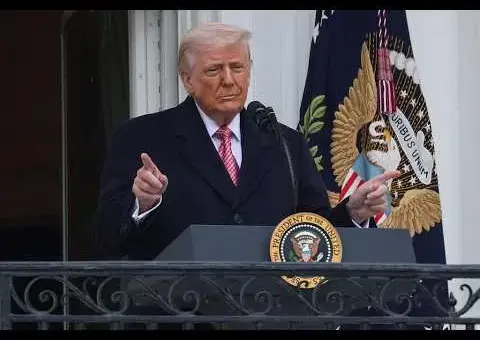
President Trump has voiced strong criticism towards NATO allies for their limited support in the Iran conflict. He urged them to either purchase energy from the US or take greater responsibility for their own defense, sparking debate about alliance burdens.
Trump’s Hormuz Gambit: A Risky Exit Strategy?
Donald Trump's recent statements suggest a potential U.S. withdrawal from operations in the Strait of Hormuz within weeks. This move raises concerns about global oil supplies and regional stability, especially as Iran continues to pose threats despite claims of its military weakness. The situation is further complicated by domestic controversies surrounding election integrity and the use of presidential powers.

Trump Weighs Oil Strategy: Allies Must Pay Their Share
President Trump is reportedly considering a strategic shift in U.S. oil and global security policy, emphasizing 'America First' by compelling allies to increase their own defense spending and take greater responsibility for regional stability. This approach questions the long-standing U.S. role in protecting vital oil shipping lanes like the Strait of Hormuz, suggesting allies must 'grow up and pay' their share in a more dangerous world.