Iran Deal Sparks Market Hopes, But Risks Linger
Markets surged on a ceasefire deal, but concerns linger over Iran's control of the Strait of Hormuz and potential economic fallout. Vice President Vance leads new talks as President Trump reviews foreign policy. Pockets of stress in private credit markets add to investor caution.

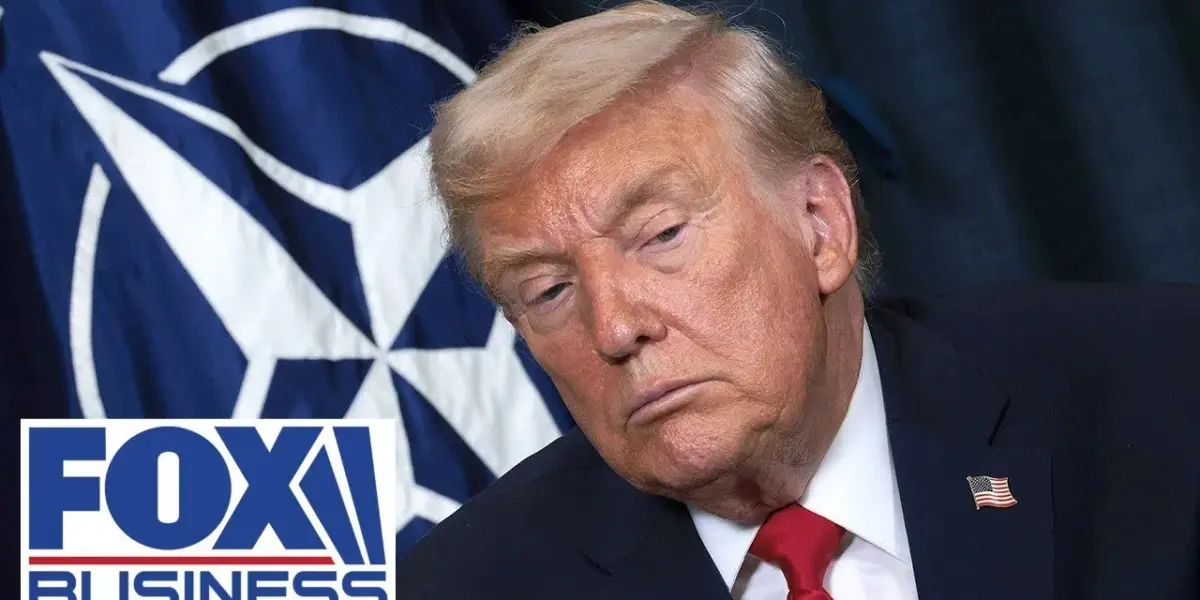
Iran Ceasefire Deal Sparks Market Rally, But Key Issues Remain
Markets surged this week following news of a ceasefire deal, with investors showing optimism about a potential return to economic stability. However, beneath the surface of this relief rally, significant questions remain about the long-term implications of the agreement and the ongoing tensions in the Middle East.
Vance Leads Peace Talks Amidst Trump’s Foreign Policy Review
Vice President JD Vance has been at the forefront of recent peace negotiations, aiming to secure a lasting resolution. President Trump has expressed confidence in Vance’s ability to forge a long-term deal, even tasking him with further talks in Pakistan. Vance stated his belief in his ability to make a difference, encouraging Iranian officials to engage seriously at the negotiating table. He noted that while negotiators on the ground have done excellent work, there are signs that Iran may be ready for substantive discussions.
In parallel, President Trump is reportedly considering a broad review of NATO’s foreign policy performance. This potential shake-up signals a desire for a re-evaluation of international alliances and commitments.
Strait of Hormuz Remains a Critical Flashpoint
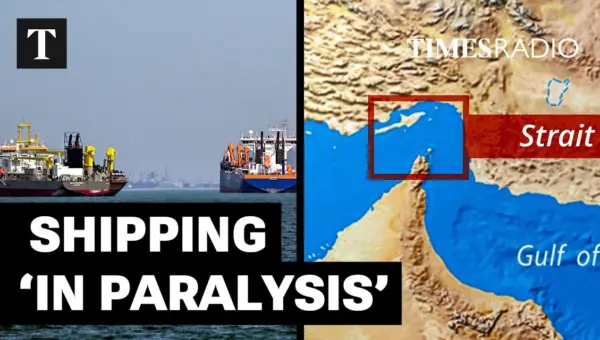
A key concern highlighted by market analysts is the ongoing control Iran maintains over the Strait of Hormuz. Despite the ceasefire agreement, reports indicate that only a limited number of oil tankers have been able to pass through this vital waterway. This suggests that Iran may be imposing fees or controlling traffic flow, effectively limiting access. One oil minister noted that the Strait is effectively closed due to excessive Iranian presence, impacting global oil supply. NATO countries rely heavily on this route for oil and liquefied natural gas (LNG), especially with reduced reliance on Russian supplies. The United States is a major supplier to Europe, and disruptions in the Strait can have significant economic consequences.
The Strait of Hormuz remains effectively closed, with too many Iranian vessels present. This is a major concern for global oil supply.
Market Reaction: Fragile Optimism or Sustainable Rally?
The market’s positive reaction, with indices rising significantly after the ceasefire announcement, suggests investor confidence in the deal. However, some analysts describe this optimism as fragile. While equities have shown strength, the oil market, nearing $100 a barrel, signals underlying uncertainty. The continued tight grip on the Strait of Hormuz, even after the ceasefire, is a point of concern. Additionally, the situation in Lebanon, which was reportedly not part of the initial ceasefire deal, adds another layer of complexity and potential for escalation.
The location of future negotiations, potentially involving Pakistan and China, suggests the involvement of various international players with diverse interests. This multifaceted approach could influence the negotiation’s outcome.
Economic Impact: Beyond a Temporary Distraction
Some observers initially viewed the unfolding events as a temporary distraction. However, a closer look suggests more profound economic implications. For consumers preparing for summer travel, rising gas prices are a tangible concern. The increase in fuel costs directly impacts household budgets, making these developments feel far from a mere distraction. The underlying fundamentals of the market, particularly for retailers during a crucial sales period, could be affected by supply chain disruptions and price fluctuations.
The timeline of these events is also critical, especially with midterm elections approaching in November. Persistent high gas prices could influence voter sentiment, a factor that has historically played a role in presidential campaigns. The promise of ending a war with no boots on the ground is a difficult message to sell if the situation escalates and requires further military intervention.
Private Credit Markets Show Pockets of Stress
Beyond geopolitical tensions, pockets of stress are emerging in the private credit market. One fund reported redemptions of nearly 16% of its assets. While the fund characterized this as manageable and diversified, such outflows can signal broader investor concerns. Some analysts worry about the potential for these isolated incidents to snowball, leading to wider market instability. Whether these redemptions are a sign of panic or a strategic reallocation of capital remains to be seen.
Long-Term Outlook: Clarity Needed
The coming weeks will be crucial in determining the true impact of the ceasefire deal. While some believe the Iranians are not yet serious about negotiations, others see potential for a positive outcome. The lack of clarity surrounding the Strait of Hormuz and the potential for a nuclear weapons program remain significant hurdles. The agreement’s success hinges on Iran’s willingness to open its facilities for inspection and commit to non-enrichment programs. Without these assurances, the risk of escalation, including potential military action, remains.
Investors are seeking clarity on how these geopolitical developments will shape the economic landscape. While markets have shown resilience, the underlying issues require careful monitoring. The ability of policymakers to navigate these complex challenges will be key to fostering sustained economic growth and stability.
Source: NATO WARNING: Trump THREATENS shake-up over Iran war snub (YouTube)

Related Articles

US Furious With UK Over Iran War Stance, Allies Face Fallout
The United States is reportedly furious with the UK's stance on the Iran conflict, threatening to reassess allied support. Prime Minister Keir Starmer has voiced frustration with global leaders like Trump and Putin impacting energy bills, while the UK's own defense plans face delays amid international fallout.

Iran Outmaneuvers Trump, Dominates Strait of Hormuz
Iran appears to have outmaneuvered Donald Trump, gaining control over the Strait of Hormuz and disrupting global oil shipments. The situation is rooted in a disputed ceasefire agreement, with Iran claiming the U.S. is backtracking on terms that included Lebanon.
Strait of Hormuz Blockade to Last Months, Shipping Expert Warns
Shipping in the Strait of Hormuz remains severely disrupted despite a ceasefire, with an expert warning it could take months to clear. Iran has implemented an informal toll system, demanding payments from vessels transiting the vital waterway. Around 20,000 crew members are stranded as security risks prevent normal operations.