Iran Deal Fallout: Trump’s Claims Clash With Reality
President Trump claimed Iran had no leverage, but the difficulty in reaching a deal suggests otherwise. Critics argue this approach weakened the U.S., allowing Iran to gain influence via the Strait of Hormuz. This highlights the ongoing debate between military might and diplomatic strategy in foreign policy.


Trump’s Bold Claim vs. Diplomatic Reality
President Trump recently stated that Iran had no leverage in negotiations, urging them to come to the table in good faith. However, the reality of the situation seems far more complex than this simple assertion suggests. If reaching an agreement proved impossible, it strongly implies that Iran possessed some form of leverage that prevented a deal on American terms.
A Strained Diplomatic Landscape
The United States has long been a dominant force on the global stage. Before President Trump took office, negotiations with countries like Iran were expected to be more straightforward for such a superpower. The Obama administration, for instance, managed to secure a deal with Iran. This agreement involved making relatively small concessions while achieving significant returns.
The current situation, however, paints a different picture. According to critics like J.D. Vance and Donald Trump’s approach, the United States has been placed in a weaker negotiating position. This shift has allowed Iran to build considerable leverage, particularly by controlling the Strait of Hormuz. This strategic waterway is crucial for global oil transport.
Military Might vs. Strategic Influence
Supporters of the Trump-Vance approach often highlight the perceived destruction of Iran’s military capabilities. They might boast about crippling Iran’s air force and navy. Yet, the reality is that the equipment in question is decades old. Destroying a 50 or 60-year-old air fleet or navy, especially with the backing of CENTCOM and a trillion-dollar military budget, is hardly a testament to strategic brilliance.
This focus on outdated military hardware misses the larger point. The true challenge lies not in the age of Iran’s equipment, but in the nature of its ruling regime. Military spending, while immense, does not automatically resolve the underlying issues posed by a radical government. The effectiveness of such spending in achieving diplomatic goals remains questionable when faced with a determined adversary.
Why This Matters
The effectiveness of American foreign policy hinges on understanding the true sources of leverage in international relations. Claiming an opponent has no power while failing to achieve objectives suggests a misreading of the situation. It raises questions about whether a strong military posture alone can secure favorable diplomatic outcomes.
This approach also impacts global stability. The Strait of Hormuz is a vital chokepoint. Any disruption there can have significant economic consequences worldwide. Iran’s ability to wield influence through this waterway demonstrates that its leverage extends beyond its conventional military strength. Ignoring this reality can lead to miscalculations and prolonged international tensions.
Historical Context and Future Outlook
Past administrations have navigated complex relationships with Iran, often balancing diplomatic engagement with economic and military pressure. The Joint Comprehensive Plan of Action (JCPOA), or Iran nuclear deal, under President Obama, is a prime example of an attempt to achieve security through diplomacy and verifiable restrictions on Iran’s nuclear program. The subsequent withdrawal from this deal by the Trump administration is seen by many as a key factor in Iran’s increased leverage and the current diplomatic impasse.
Looking ahead, the challenge for U.S. foreign policy is to develop strategies that address the root causes of conflict and instability. This includes understanding the political motivations of regimes like Iran’s, not just their military hardware. Future negotiations will likely require a more nuanced approach, one that acknowledges all forms of leverage – economic, strategic, and diplomatic – rather than relying solely on the projection of military power.
The debate over Iran’s leverage highlights a broader discussion about American foreign policy. Should the focus be on overwhelming military might, or on skillful diplomacy and strategic engagement? The current situation suggests that a combination of both, applied intelligently, is necessary to achieve lasting peace and security in a complex world.
Source: Trump Said Iran Had “No Leverage” #politics #fyp #new (YouTube)

Related Articles
Iran Warns Trump Over Hormuz Strait Blockade Threat
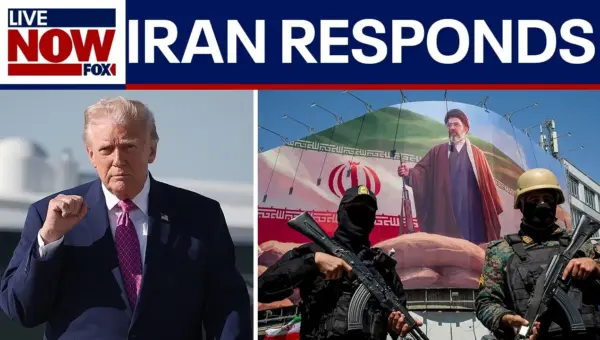
Iran has issued a stern warning against any U.S. military vessels attempting to blockade the Strait of Hormuz, calling it a violation of a ceasefire. The U.S. blockade aims to cut off Iran's oil revenue, impacting both Iran and China. The situation is at a critical juncture, with potential for further escalation.
Iran Talks Collapse: US Blocks Strait, Escalates Tensions
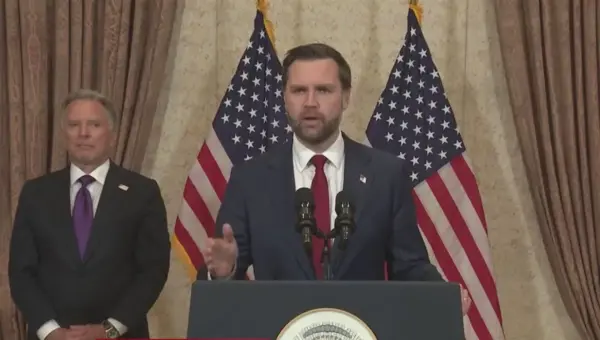
Peace talks between the U.S. and Iran have collapsed over Iran's nuclear ambitions. In response, the U.S. Navy has initiated a blockade of the Strait of Hormuz, escalating tensions and threatening global oil supplies. This move follows Iran's refusal to meet key American demands.

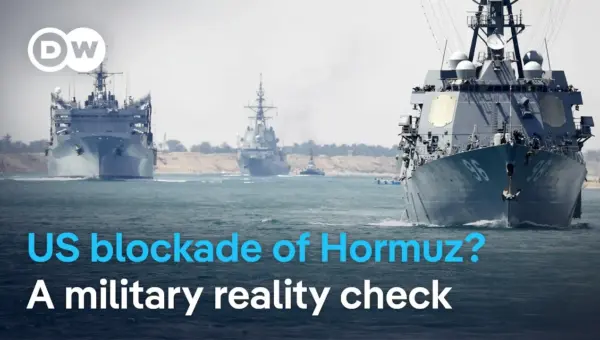
US Navy Blockade of Strait of Hormuz: Power Play or Empty Threat?
President Trump has threatened a U.S. Navy blockade of the Strait of Hormuz after failed peace talks with Iran. While the U.S. possesses significant naval power, the narrow strait presents challenges, and Iran could retaliate by threatening oil supplies. The situation is described as dangerous brinkmanship in ongoing negotiations.