Iran Deal Faces Skepticism Amid US Scientists’ Mysterious Deaths
Skepticism surrounds potential US-Iran negotiations due to Iran's history of deception. Meanwhile, rising gas prices are blamed on market manipulation, not free capitalism. The discussion also highlights alarming, unexplained deaths of US scientists, raising questions about government transparency and accountability.

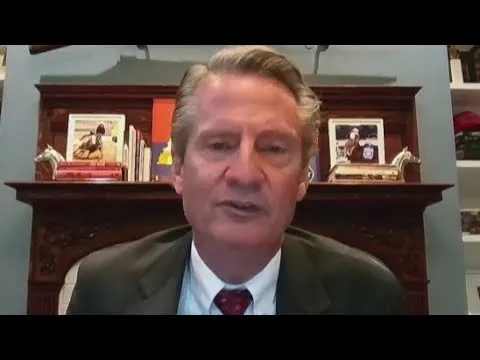
Iran Deal Faces Skepticism Amid US Scientists’ Mysterious Deaths
US-Iran Relations and the Question of Trust
The United States, under President Trump, has expressed optimism about reaching a deal with Iran. However, this optimism is met with significant skepticism, particularly given Iran’s long history of alleged deception. Critics point to the regime’s 47-year track record of dishonesty, including recent claims about a ceasefire. This raises serious doubts about the possibility of a lasting agreement or a stable outcome with the current Iranian leadership in power.
Global Terror Financing and International Players
The discussion also touches upon Iran’s alleged involvement in funding terrorism and its influence over various international actors. The speaker suggests that Iran’s “muscle around the globe” for terrorist activities is a persistent issue. The complexity of international involvement and the funding of terrorism by multiple players create a challenging environment for any diplomatic efforts. The implication is that these deep-rooted issues cannot be easily resolved or disentangled.
Rising Gas Prices and the “Big Oil” Debate
The conversation shifts to the domestic impact of foreign policy, specifically focusing on rising fuel costs in the United States. The speaker criticizes the current situation, calling it a “complete and total recall” that Washington allows. The core argument is that the energy market is not a true free market. Instead, it is influenced by political contributions and subsidies, benefiting large oil companies. These companies, the speaker asserts, receive tax credits and other forms of aid, suggesting a system where political influence shapes market outcomes rather than pure capitalism.
The Mechanics of Fuel Pricing
The speaker challenges the notion that gasoline prices are simply determined by commodity markets. They explain that even when the cost of crude oil is low, gasoline prices can remain high. This is partly due to the refining process and the way fuel is sold. The analogy used is that of a hardware store: you buy an item, and its price doesn’t necessarily fluctuate wildly based on the cost of raw materials alone. The speaker suggests that gasoline prices are artificially kept high, leading consumers to feel ripped off.
The Mystery of Missing US Scientists
A significant portion of the discussion focuses on the alarming number of high-level U.S. scientists who have either disappeared or turned up dead under unexplained circumstances. The speaker expresses concern that Congress is not adequately addressing this issue. They note that congressional investigations move very slowly. Despite credible evidence suggesting something unusual is happening, the focus often shifts to other matters. The speaker believes this lack of transparency is unacceptable, especially when taxpayer money is being spent on research related to these unexplained phenomena.
Government Spending and Lack of Transparency
The mystery surrounding these scientists is linked to government spending on research, potentially involving classified or sensitive projects. The speaker questions where this money is going and calls for greater transparency. They suggest that the President needs to ask tough questions of the agencies involved. The speaker finds it chilling that information might be restricted on a “need to know basis,” even for elected officials, highlighting a potential disconnect between those in power and those who are supposed to be accountable.
Historical Context and Future Scenarios
The skepticism surrounding the Iran deal echoes past diplomatic failures where trust was broken. Iran’s history of alleged deception has led many to believe that any agreement will be fragile. The rising gas prices, framed as a result of market manipulation rather than free competition, suggest a continued struggle for economic fairness. The unexplained deaths and disappearances of scientists point to potential national security concerns and a lack of government accountability. Future scenarios could include a failed Iran deal leading to renewed tensions, continued high energy costs impacting consumers, and ongoing questions about government transparency regarding sensitive research and potential threats.
Global Impact: Shifting Alliances and Domestic Concerns
This situation highlights a complex geopolitical environment where international trust is low, and domestic economic concerns are high. The potential for renewed conflict with Iran, coupled with internal economic pressures from energy prices, creates instability. The mystery surrounding U.S. scientists adds another layer of concern, potentially impacting national security and public trust in government institutions. These interconnected issues demonstrate how foreign policy decisions and domestic economic realities are deeply intertwined, shaping the global order.
Source: Tim Burchett talks Iran, gas prices and missing US scientists | Katie Pavlich Tonight (YouTube)

Related Articles

Iran War Looms as China Pushes for Deal
Confusion over draft registration changes and escalating tensions with Iran dominate geopolitical discussions. While China pushes for a diplomatic solution to prevent conflict, the US faces complex negotiations. Meanwhile, the First Lady addresses rumors, seeking to clear her name amidst ongoing scandals.


Lawmakers Probe Geopolitical Betting Platform for Insider Trading
Lawmakers are demanding an investigation into the prediction market platform Polymarket due to anonymous bets placed on major geopolitical events hours before they happened. Concerns are mounting over potential insider trading and national security risks, as the platform's use of cryptocurrency makes user identities difficult to trace.
Trump’s Iran Deal Threatens US Credibility
Critics argue that Donald Trump's approach to a potential Iran ceasefire deal will result in a strategic humiliation for the United States. Concerns include Iran gaining more control over vital waterways and maintaining its nuclear program, while exposing U.S. military vulnerabilities and eroding regional credibility.