Iran Deal Faces Doubt Amid Ceasefire and Sanctions Talk
A two-week ceasefire between the U.S. and Iran offers a path to negotiations, potentially easing tensions and leading to sanctions relief. However, strong verification of Iran's commitments remains a key challenge for U.S. policymakers.

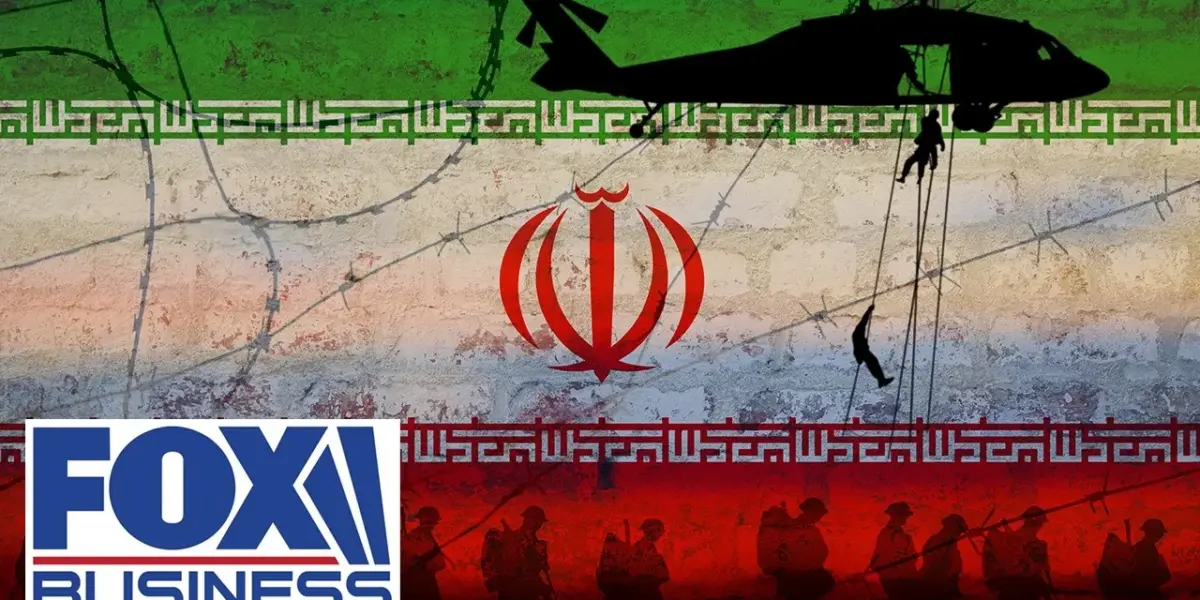
Iran Ceasefire Sparks Hope, But Doubts Linger Over Deal
The United States and Iran have agreed to a two-week ceasefire, a development that could pave the way for renewed negotiations. This agreement comes just before a deadline for potentially closing the Strait of Hormuz, a vital shipping lane. Ships are now passing through the strait, indicating a de-escalation of tensions.
President Trump has stated that the U.S. will work closely with Iran and is considering lifting some tariffs and sanctions. However, the President also issued a stern warning: any country continuing to supply Iran with military weapons will face immediate 50% tariffs on goods sold into the United States.
Military Strength as a Negotiating Tool
Senator Dave McCormick, a member of the Senate Foreign Relations Committee and Chair of the Middle East Subcommittee, believes this progress would not have been possible without a strong military campaign. He highlighted the President’s objectives: to remove Iran’s military capability to harm allies, prevent any path to nuclear weapons, and ensure Iran cannot control the Strait of Hormuz.
“The Iranians came to the negotiating table because of that incredible military campaign,” Senator McCormick stated. He described the campaign as a success that has “defanged” Iran, but stressed the need to “stay the course.”
Verification and Trust: The Key Challenges
A major question remains: how will the U.S. verify that Iran will keep its promises? This includes not supporting terrorist groups like Hezbollah and Hamas, and not pursuing nuclear weapons. Senator McCormick emphasized that verification will rely on sophisticated tracking of financial transactions and a high level of transparency from Iran.
“We are in a position now, of given what the President has done, to insist on that, and we need to stay strong on it, because ultimately, time and again when these this regime and leaders in Iran have been given an opening, they have essentially not held true to the promises they made.”
He added that the U.S. should be skeptical, and that verification must be very strong. He pointed to past instances where Iran claimed not to possess long-range missiles, only to later send one. This history fuels the need for robust oversight.
The Federal Reserve Nomination
The discussion also touched upon a nomination for the Federal Reserve. Kevin Warsh is set to face a committee hearing regarding his nomination to lead the central bank. However, his confirmation may depend on the conclusion of an investigation into Jay Powell, the current Fed Chair. Some senators, like Thom Tillis, have stated they will not support Warsh’s nomination until this investigation is resolved.
Senator McCormick expressed support for the nomination, calling it a “spectacular choice” and emphasizing the need for strong leadership at the Fed during uncertain global economic times. He believes a path forward for confirmation can be found, though he feels any investigation into Powell’s spending should be handled by the Banking Committee, not a criminal probe.
Market Impact and Investor Considerations
The de-escalation of tensions with Iran is a significant positive development for global markets. The Strait of Hormuz is crucial for oil transport, and any threat to its stability can cause oil prices to spike. The agreement to a ceasefire and potential sanctions relief could lead to more stable energy prices and reduce geopolitical risk premiums in the market.
For investors, this means a potentially calmer period for international relations, which can boost confidence in global trade and economic growth. However, the ongoing skepticism about Iran’s intentions and the need for strong verification mean that market participants will be watching developments closely. Any backsliding in negotiations or renewed hostilities could quickly reverse positive market sentiment.
The Federal Reserve nomination adds another layer of uncertainty. Changes at the Fed can influence interest rates, inflation, and overall economic policy. Investors will be looking for stability and clear direction from the central bank, especially given current global economic conditions.
Source: 'DUPLICITOUS REGIME': Explosive warning triggers SERIOUS doubts over Iran deal (YouTube)

Related Articles

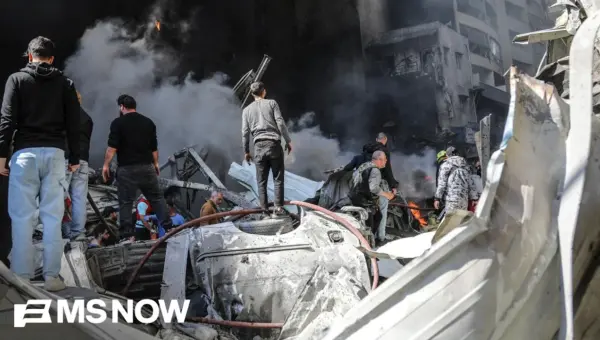
US, Iran Agree to Ceasefire, Gulf Nations Report New Attacks
The U.S. and Iran have agreed to a two-week ceasefire, de-escalating recent conflict. However, Gulf nations report new drone and missile attacks, expressing concerns over the truce's fragility. Experts question the long-term gains and criticize President Trump's aggressive rhetoric.
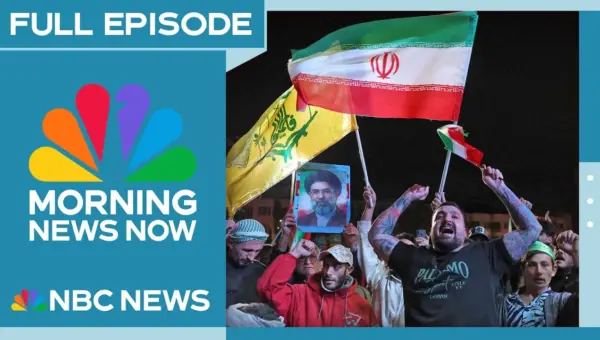
US and Iran Agree to 2-Week Ceasefire, Peace Talks Loom
The U.S. and Iran have agreed to a two-week ceasefire, halting a month-long conflict that threatened wider escalation. President Trump announced the truce after Pakistan presented a ten-point peace plan, which the U.S. calls a "workable starting point." The deal hinges on the reopening of the Strait of Hormuz, but significant questions remain about Iran's nuclear program and regional stability.
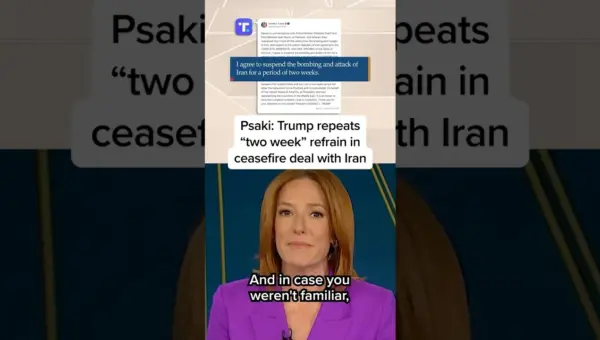
Psaki Mocks Trump’s Familiar ‘Two Weeks’ Iran Ceasefire Claim
Former White House Press Secretary Jen Psaki highlighted a familiar pattern in Donald Trump's recent statements about a potential Iran ceasefire deal. Psaki noted Trump's repeated insistence on a 'two-week' timeline, suggesting it echoes past rhetoric without substantive backing. This observation points to the recurring nature of his diplomatic talking points.