Iran Deal Debate Ignites: Did Diplomacy or Force Win?
A debate rages over whether U.S. actions have crippled Iran's military, leading to an "unequivocal win." Critics question this claim, pointing to lingering threats and failed attempts at international cooperation. The discussion highlights differing views on defining foreign policy success.

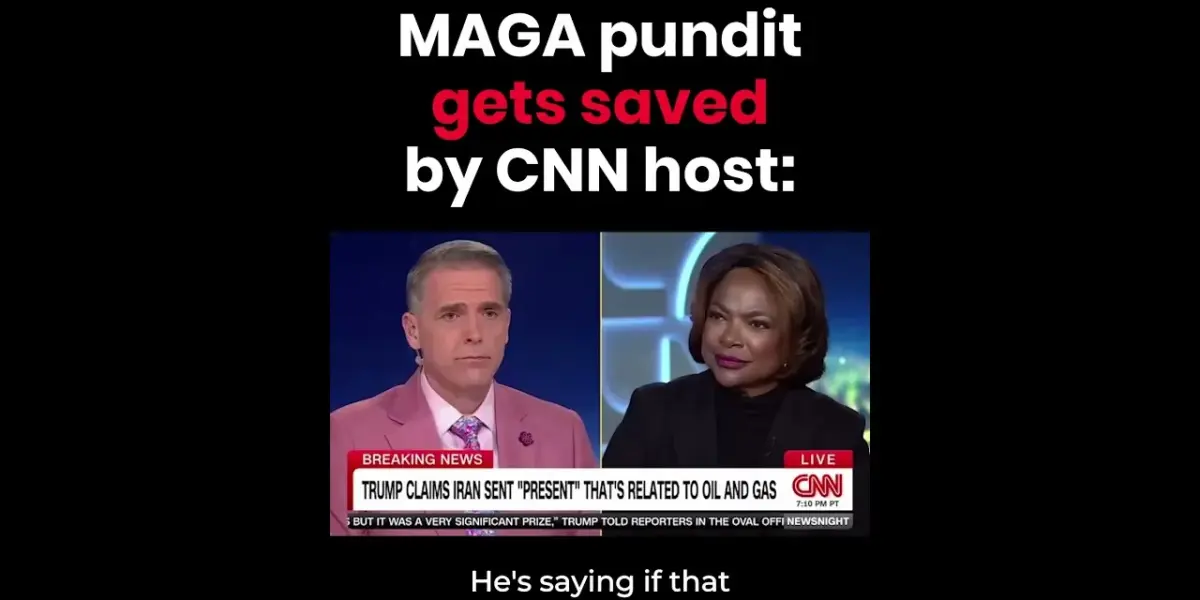
Iran Deal Debate Ignites: Did Diplomacy or Force Win?
The effectiveness of international policy often sparks heated debate. Recently, a discussion arose about whether actions taken concerning Iran have led to a successful outcome for the United States. One perspective argues that significant military and technological setbacks have been inflicted upon Iran, leading to a clear victory. This viewpoint suggests that Iran’s military capabilities, particularly its navy and missile programs, have been severely weakened. Furthermore, the argument includes the idea that Iran’s ability to develop nuclear weapons has been curtailed, and its support for terrorism has diminished.
This optimistic outlook frames the situation as an “unequivocal win” for the U.S. It suggests that by defanging Iran’s military and limiting its aggressive tendencies, the United States has achieved its objectives. The focus is on the tangible damage done to Iran’s military infrastructure and its capacity for international disruption. The core idea is that a weaker, less threatening Iran is a direct result of specific U.S. actions.
Questioning the Narrative of Victory
However, this narrative of a decisive win is met with skepticism. Critics point to the careful wording used by proponents of the victory claim. They suggest that the statements imply a desired outcome rather than a confirmed reality. For instance, the idea that Iran’s military capabilities have been “decimated” is questioned. If Iran’s military were truly destroyed, why would a key waterway like the Strait of Hormuz remain a point of concern or potential blockage?
The discussion also touches upon past attempts to build international cooperation. One point raised is the failure of an effort to form an international coalition to escort ships through the Strait of Hormuz. This initiative, announced by President Trump, reportedly received no support from other countries. Some suggest this lack of backing stems from a broader pattern of U.S. foreign policy that alienates potential allies. The idea of needing such escorts implies that the threat from Iran’s navy is still significant, contradicting the claim of a completely neutralized military.
The Role of Diplomacy and Alliances
The conversation highlights a fundamental tension in foreign policy: the balance between unilateral action and multilateral cooperation. The attempt to create an international coalition for naval escorts suggests a recognition of the need for broader support. Yet, the reported lack of response indicates a challenge in rallying international partners. This could be due to differing strategic priorities or a perception that U.S. actions might provoke rather than deter.
The debate also delves into the definition of “winning” in international relations. Is victory measured solely by the weakening of an adversary’s military, or does it also involve maintaining regional stability and fostering international norms? The ability of Iran to continue posing a threat, even a diminished one, raises questions about the completeness of any supposed victory. The persistence of issues like the potential closure of the Strait of Hormuz suggests that the situation remains fluid and complex.
Historical Context of Iran-U.S. Relations
Understanding this debate requires a look at the long and often strained history between Iran and the United States. Relations have been fraught since the 1979 Iranian Revolution, leading to decades of mistrust and diplomatic challenges. U.S. policy has often focused on countering Iran’s nuclear ambitions, its support for regional militant groups, and its ballistic missile program. Various administrations have employed a mix of sanctions, diplomatic pressure, and military deterrence.
The Iran nuclear deal, officially known as the Joint Comprehensive Plan of Action (JCPOA), was a significant diplomatic effort aimed at preventing Iran from developing nuclear weapons. While it was supported by several world powers, the U.S. under President Trump withdrew from the agreement in 2018, reimposing sanctions. This withdrawal marked a shift in U.S. strategy, leaning more towards “maximum pressure.” The current discussion appears to be evaluating the outcomes of this more assertive approach.
Why This Matters
The core of this discussion is about how we assess success in foreign policy. It forces us to consider whether a reduction in an adversary’s military strength automatically equates to a win for national security. It also raises important questions about the role of international alliances and the effectiveness of different diplomatic and military strategies. The outcomes of these policy decisions have real-world consequences, affecting regional stability, global trade routes like the Strait of Hormuz, and the ongoing efforts to prevent nuclear proliferation.
Understanding these differing viewpoints is crucial for informed public discourse. It helps us move beyond simplistic declarations of victory or defeat and engage with the complexities of international relations. The effectiveness of U.S. foreign policy, the stability of the Middle East, and the global non-proliferation regime all hinge on these ongoing debates and the strategies employed.
Implications, Trends, and Future Outlook
The current debate signals a potential shift in how the success of foreign policy is measured. If weakening an opponent’s military is the primary metric, then the current approach might be seen as successful by some. However, if broader regional stability and the reduction of global threats are the goals, the assessment becomes more nuanced. The trend towards seeking international consensus, even if difficult, suggests an understanding that unilateral actions can have limitations.
Looking ahead, the future will likely involve continued efforts to manage Iran’s capabilities and influence. This could include further diplomatic engagement, ongoing sanctions, and continued military readiness. The challenge will be to find strategies that effectively address U.S. security concerns without destabilizing the region or alienating key international partners. The effectiveness of these future strategies will depend on a clear-eyed assessment of past actions and a willingness to adapt to evolving geopolitical realities.
Source: She Didn't Let Him Respond… (YouTube)

Related Articles

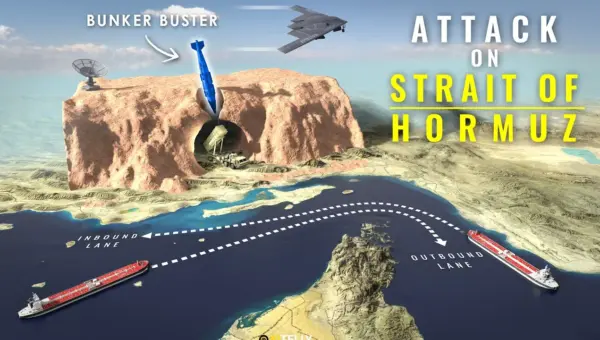
Iran’s Strait of Hormuz Trap: How the US Fights Back
Iran's strategy to control the Strait of Hormuz involves using islands as bases for anti-ship missiles and launching swarm attacks with small boats. The US counters with advanced defense systems, surveillance drones, and powerful bunker-buster bombs, highlighting the ongoing tension in this vital global shipping lane.
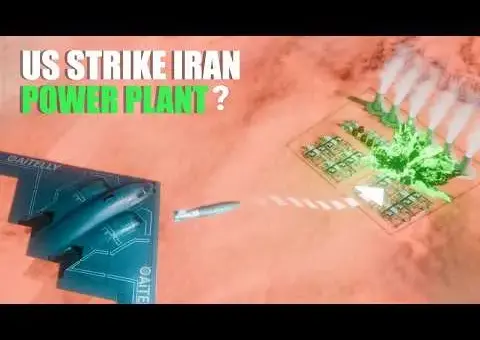
US Aims to Cripple Iran’s Power Grid to Secure Strait of Hormuz
A new US strategy reportedly targets Iran's power grid, including major plants like Damavand, to force open the Strait of Hormuz. The plan involves multi-stage air attacks using advanced bombers and precision munitions to cripple energy infrastructure and cause cascading failures.

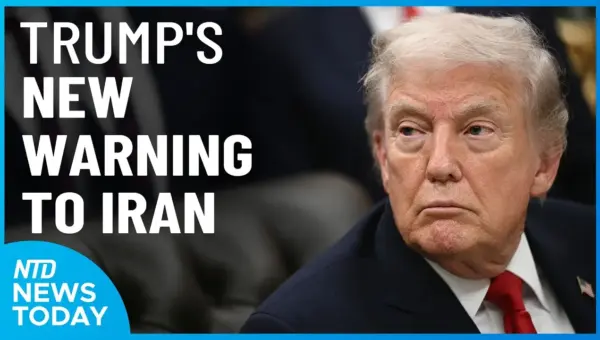
Trump’s Iran Ultimatum: Civilization on the Brink?
President Trump issued a dire warning to Iran with a Tuesday deadline for a deal, fearing "a whole civilization will die." U.S. strikes on Kharg Island occurred, but officials state U.S. strategy remains unchanged. This escalation highlights ongoing tensions and their global implications.