Iran Deal Deadline Looms: Congress in Recess Amid Rising Tensions
As a critical deadline for a deal with Iran approaches, the U.S. Congress is in recess, sparking debate among lawmakers. Accusations of terrorism and warnings of potential attacks on civilian sites heighten global security concerns. The situation highlights deep divisions in U.S. foreign policy and the complex international dynamics at play.

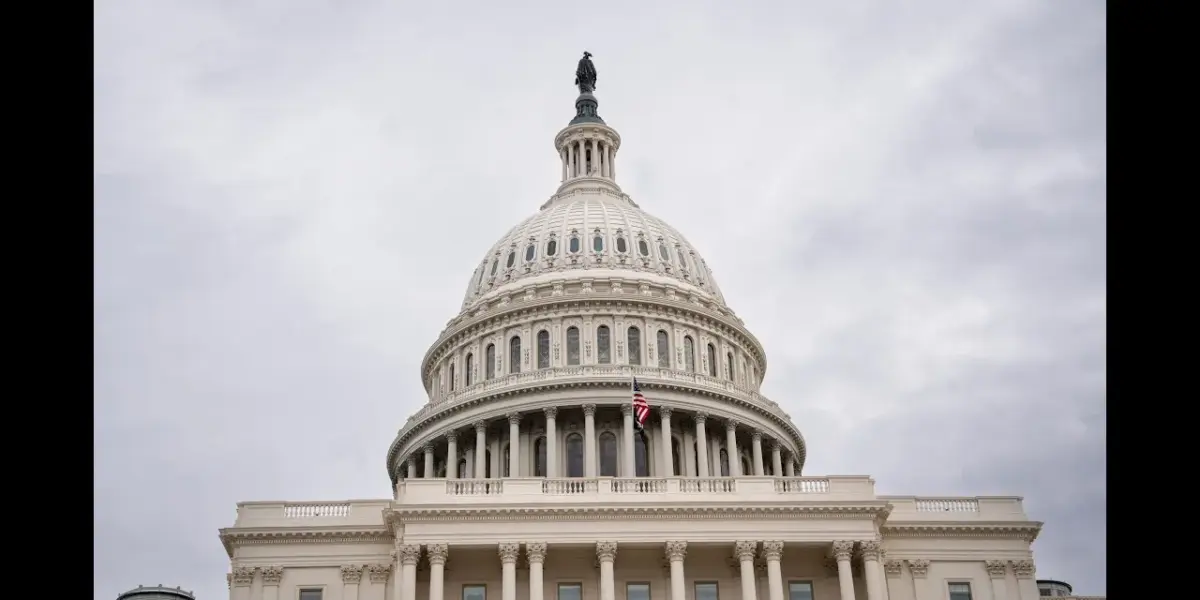
Iran Deal Deadline Looms: Congress in Recess Amid Rising Tensions
As a crucial deadline for a deal with Iran approaches, the United States Congress is out of Washington. This recess comes at a tense moment, with lawmakers from both parties voicing strong opinions on how to handle the situation. The White House has set a deadline of 8:00 p.m. Eastern for Iran to reach an agreement.
Accusations of Terrorism and Growing Concerns
Secretary of State Marco Rubio recently accused the Iranian regime of carrying out terrorist acts. He specifically pointed to incidents in the state of Hormuz, involving attacks on commercial vessels. Rubio stated that Iran is a regime that disregards laws and rules, and is a state sponsor of terrorism. His comments came after a meeting with New Zealand’s foreign minister.
The State Department has also issued a warning. They believe Iran and its allies might target universities in the Middle East. The U.S. embassy in Egypt is advising Americans to stay informed about regional news and be cautious. Extremists have shown interest in attacking sites in the region, including religious and tourist locations.
Lawmakers Divided on Approach
While Congress is not in session until April 14th, many lawmakers are speaking out. Some Democrats believe the situation in the Middle East requires immediate attention. They are calling for Congress to return to Washington early. House Democratic leaders have criticized recent U.S. actions concerning Iran. They issued a statement saying the House must reconvene immediately to end the conflict.
Republicans, however, are largely defending the administration’s stance. They argue that any actions taken against Iran should focus on cutting off the regime’s funding. Congressman Mike Lawler, a Republican from New York, highlighted China’s role. He stated that China purchases about 90% of Iran’s oil. According to Lawler, this revenue fuels Iran’s illicit activities. He suggested that targeting Iran’s energy infrastructure could pressure the regime to negotiate fairly.
“90% of Iran’s oil is purchased by who? China. China is the biggest purchaser of Iranian petroleum. That is what has financed their entire illicit activity over these past many decades.”
– Congressman Mike Lawler
Human Shields and International Pressure
Reports from Iran indicate that crowds are forming human chains around important infrastructure. These include bridges and energy facilities. Senator Rick Scott, a Republican, reacted on social media. He described the Iranian regime as evil for allegedly forcing women and children to act as human shields. He called the situation gut-wrenching.
With lawmakers away from Washington, any formal legislative response to the escalating tensions is currently on hold. The approaching deadline puts further pressure on the situation, as the international community watches for Iran’s response and the U.S. administration’s next steps.
Why This Matters
The approaching deadline for a deal with Iran and the current recess of the U.S. Congress create a critical juncture. The accusations of terrorism and potential targeting of civilian sites raise serious global security concerns. The division among lawmakers on how to respond highlights the complex challenges in foreign policy. The reliance on China for purchasing Iranian oil also brings other international players into the spotlight. The situation underscores the delicate balance between diplomacy, economic pressure, and the potential for conflict. It also raises questions about the effectiveness of sanctions and the impact of international actions on civilian populations.
Historical Context and Future Outlook
Discussions and tensions surrounding Iran’s nuclear program and its regional activities are not new. For years, international bodies and nations have grappled with how to manage Iran’s influence and its pursuit of advanced technologies. Past agreements, like the Joint Comprehensive Plan of Action (JCPOA), have aimed to curb Iran’s nuclear ambitions through sanctions relief. However, these agreements have faced significant challenges and political shifts.
The current situation echoes past periods of heightened tension, where diplomatic efforts were strained by accusations and actions on the ground. The emphasis on cutting off funding through oil purchases suggests a continued focus on economic sanctions as a primary tool. However, the effectiveness of such measures often depends on broad international cooperation, which can be difficult to achieve.
Looking ahead, the outcome of the current deadline will significantly shape future relations between the U.S. and Iran. If a deal is reached, it could lead to a de-escalation of tensions, though deep mistrust may persist. If negotiations fail, the U.S. may intensify its pressure, potentially leading to further economic hardship for Iran and increased regional instability. The involvement of other major powers, like China, will continue to play a crucial role in the geopolitical dynamics. The U.S. Congress, upon its return, will likely face intense debate over the path forward, considering both national security interests and the potential humanitarian impact of its policies.
Source: Congress Out as Iran Deal Deadline Approaches, Lawmakers React (YouTube)

Related Articles


Trump’s Iran War Fuels Inflation, Strains Alliances
Donald Trump's recent military actions in Iran are being blamed for a significant rise in U.S. inflation and increased gas prices, impacting consumer confidence. The conflict has also strained relationships with key international allies, leading to diplomatic friction and questions about the future of alliances like NATO.


Artemis II Splashdown Signals US Space Race Dominance
The Artemis II mission's precise splashdown highlights NASA's space exploration leadership and the U.S. commitment to returning to the Moon. This success reinforces America's position in a renewed global space race.


US, China Clash in New Space Race for Lunar Dominance
The US and China are engaged in a new space race, focusing on lunar resources and strategic influence. While the US Artemis program aims for a 2028 landing, China's rapid advancements and 2030 lunar goals present a significant challenge. This competition echoes historical colonialism and highlights the growing importance of space in modern warfare.