Iran Deadline Looms: Key Decisions Ahead
Iran faces a critical 8:00 PM Eastern Time deadline to strike a deal with the U.S. or risk severe consequences. Meanwhile, discussions highlight U.S. defense budget needs and the complex alliances of global adversaries.


Iran Deadline Looms: Key Decisions Ahead
A critical deadline is fast approaching for Iran, with significant consequences hanging in the balance. President Trump has set a firm 8:00 PM Eastern Time deadline for Iran to reach a deal with the United States or face severe repercussions, including the potential destruction of its bridges and power plants. This ultimatum follows Iran’s rejection of a 45-day ceasefire proposal, instead offering a ten-point plan that demands an immediate end to the conflict, safe passage for ships, and the lifting of sanctions.
Negotiations Under Pressure
General Jack Keane, a senior strategic analyst, noted that the intense pressure from President Trump is likely getting Iran’s attention and may be pushing negotiations toward a more productive space. However, concerns remain about any potential deal that could offer Iran a lifeline, allowing it to survive economically. The details of any agreement will be crucial in determining its true impact.
Defense Budget Focus
Beyond international diplomacy, the discussion also touched upon the proposed U.S. defense budget. The budget aims to address what is described as an atrophy in America’s industrial base for the military. This is particularly relevant given the stresses placed on military resources by ongoing conflicts. The current budget is built around a one-war strategy, and experts warn that a protracted conflict in multiple regions could strain U.S. capabilities.
The proposed budget includes significant investments in areas such as shipbuilding, critical munitions, combat medicine, nuclear programs, and artificial intelligence. This push for increased defense spending is seen as a necessary step to recover from past budget cuts, like those enacted under sequestration, which are believed to have weakened the military’s readiness.
Global Adversaries and Alliances
The conversation also highlighted the complex relationships between global adversaries. Reports suggest that Russia may have provided Iran with detailed lists of critical energy targets in Israel. Meanwhile, China is reportedly helping Iran bypass sanctions to fund its war efforts, with China relying heavily on Iranian oil. General Keane stated that this type of cooperation between countries like China, Russia, Iran, and North Korea is not surprising, as they often band together to exploit perceived vulnerabilities of the United States.
He pointed to recent shifts, such as Russia being bogged down in Ukraine for five years with limited territorial gains, and Iran facing significant military and economic challenges. These pressures on Iran could lead to a collapse of its influence in the Middle East, which is why adversaries are eager to support it and prevent a war from ending prematurely.
What Investors Should Know
The looming deadline with Iran creates immediate uncertainty in global markets, particularly concerning oil prices and shipping routes through the Strait of Hormuz. Any escalation or a breakdown in negotiations could lead to increased volatility. Investors should monitor the situation closely for potential impacts on energy markets and geopolitical stability.
On the domestic front, the proposed increase in defense spending signals a potential shift in government priorities. Companies involved in defense contracting, advanced technology, and manufacturing could see increased opportunities. However, this also implies a focus on national security over other areas of spending, which could have broader economic implications.
The interconnectedness of global adversaries like Russia and China in supporting Iran highlights the complex geopolitical landscape. Investors need to consider how these alliances and rivalries might influence international trade, sanctions, and regional conflicts, all of which can affect market performance.
Looking Ahead
Whether a last-minute deal is reached or the deadline passes without resolution, the coming hours are crucial. President Trump has a track record of following through on his stated intentions. The outcome will likely shape U.S. foreign policy and its relationship with Iran for the foreseeable future, with potential ripple effects across global economies and security.
Source: Gen Jack Keane: The pressure is ON (YouTube)

Related Articles

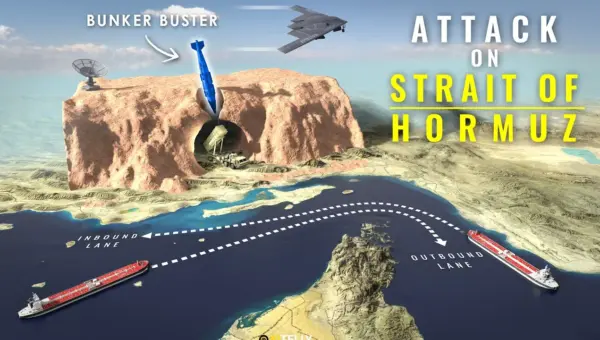
Iran’s Strait of Hormuz Trap: How the US Fights Back
Iran's strategy to control the Strait of Hormuz involves using islands as bases for anti-ship missiles and launching swarm attacks with small boats. The US counters with advanced defense systems, surveillance drones, and powerful bunker-buster bombs, highlighting the ongoing tension in this vital global shipping lane.
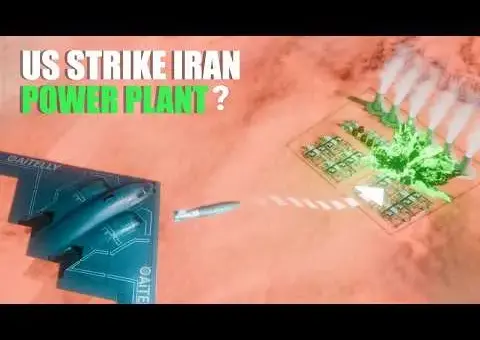
US Aims to Cripple Iran’s Power Grid to Secure Strait of Hormuz
A new US strategy reportedly targets Iran's power grid, including major plants like Damavand, to force open the Strait of Hormuz. The plan involves multi-stage air attacks using advanced bombers and precision munitions to cripple energy infrastructure and cause cascading failures.

Trump’s Iran Ultimatum: Civilization on the Brink?
President Trump issued a dire warning to Iran with a Tuesday deadline for a deal, fearing "a whole civilization will die." U.S. strikes on Kharg Island occurred, but officials state U.S. strategy remains unchanged. This escalation highlights ongoing tensions and their global implications.