Iran Crisis Looms: Oil Prices May Soar
A 48-hour ultimatum from Donald Trump to Iran regarding the Strait of Hormuz has raised fears of a global crisis. Potential attacks on Iranian power stations could disrupt oil and gas supplies, leading to soaring prices and a global recession risk.


Global Crisis Threatens as Iran-US Tensions Escalate
The world is on edge with less than 24 hours remaining before a critical deadline that could ignite a major global crisis. Former President Donald Trump has issued a stark 48-hour ultimatum to Iran regarding shipping in the Strait of Hormuz.
Trump has demanded that Iran cease disrupting maritime traffic in the vital waterway. Failure to comply, he warns, will result in the United States launching attacks against Iranian power stations. This direct confrontation has, as expected, drawn a strong response from Iran.
Iran has declared that if the U.S. carries out these threats, it will retaliate by striking energy and water infrastructure in the Persian Gulf. The targeted nations could include major oil-producing countries like Saudi Arabia, Qatar, Kuwait, Bahrain, and the United Arab Emirates.
Economic Devastation at Stake
The potential consequences of such attacks are severe and far-reaching. Shutting down power stations does more than just cut off electricity. It effectively halts entire economies. Businesses grind to a halt, preventing people from working and stopping the flow of money.
In the Middle East, the impact is even more dire. A lack of electricity means desalination plants cannot operate. These plants are crucial for producing fresh water in the arid region. Without them, millions of people could face severe water shortages, putting their lives at risk.
Oil and Gas Markets Brace for Impact
The Strait of Hormuz is a critical chokepoint for global energy supplies. Approximately 20% of the world’s oil and gas passes through this narrow waterway every day. If the situation escalates and shipping is severely disrupted or halted, the world could face significant shortages of oil and gas.
This potential supply crunch could drive prices to unprecedented levels. Such a scenario would likely lead to widespread global shortages. These shortages would, in turn, fuel rising inflation across economies worldwide. Experts warn that this combination of factors presents a clear and present danger of a global recession.
Looking Ahead: A Precarious Balance
Given the current geopolitical climate, it is unlikely that Iran will fully meet the U.S. demands. The critical question now is whether the United States, under the leadership of Donald Trump, will follow through with its threat to attack Iranian power stations.
If the U.S. does act on its threat, the situation could rapidly spiral out of control. The world is currently in a precarious position, akin to standing on a cliff edge. Investors and global markets will be closely watching developments over the next 24 hours.
Market Impact
The immediate market impact would likely be a sharp spike in oil and gas prices. This surge would be driven by fears of supply disruptions from the Strait of Hormuz. Energy stocks could see significant gains, while industries heavily reliant on fuel, such as transportation and manufacturing, might face increased costs and reduced profitability.
A prolonged conflict or significant escalation could trigger broader economic instability. This could lead to decreased consumer spending, reduced business investment, and a potential slowdown in global economic growth. The risk of a recession, as mentioned, becomes more pronounced if energy supplies are severely impacted.
What Investors Should Know
Investors should be aware of the heightened volatility in energy markets. Geopolitical risks can have a swift and significant impact on commodity prices and stock valuations. Diversification across different asset classes and geographic regions can help mitigate risks associated with such events.
While specific investment advice cannot be given, understanding the potential ripple effects of this geopolitical tension is crucial. The situation highlights the interconnectedness of global energy security and economic stability. Monitoring news and economic indicators related to the Middle East and global energy markets will be important in the coming days.
The potential for widespread inflation and recession means investors may want to consider defensive assets. These could include certain types of bonds or sectors that tend to perform better during economic downturns. However, the situation remains fluid, and outcomes are uncertain.
Source: 24 Hours… (YouTube)

Related Articles

G7 Allies Clash Over Iran War Strategy, Urge Focus on Russia
G7 foreign ministers met in Paris, revealing deep divisions over the U.S. war with Iran. European allies urged the U.S. to pressure Russia, linking its actions to the conflict and fearing support for Ukraine will wane.
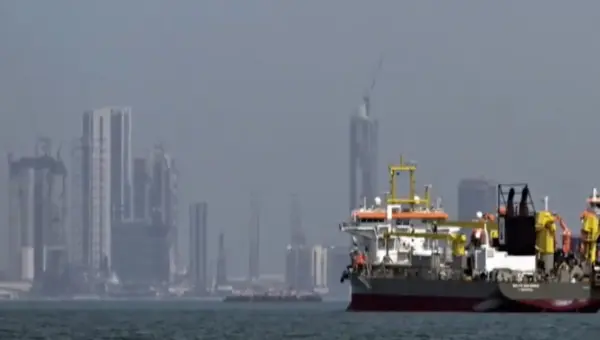
Iran Blocks China Ships, Exposing Beijing’s Weak Grip
Iran's recent decision to block Chinese ships at the Strait of Hormuz is exposing the limits of Beijing's influence in the Middle East. This action is causing delays and cancellations for Chinese manufacturers, turning a perceived geopolitical win into an economic strain.
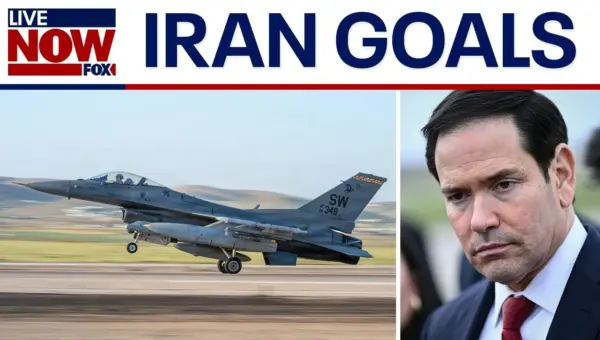
Rubio: US Can Achieve Iran War Goals Without Troops
Senator Marco Rubio outlined a strategy to counter Iran without deploying U.S. ground troops, focusing on weakening the regime and enhancing maritime security. He also criticized Cuba's economic system and expressed concerns about West Bank violence.