Iran Controls Strait, Threatens Global Oil Flow
Iran's assertion of control over the Strait of Hormuz, a vital global oil chokepoint, threatens international trade and stability. Amidst escalating Middle East tensions and doubts about upcoming peace talks, the world watches to see if diplomacy or military action will prevail in ensuring freedom of navigation.


Iran Controls Strait, Threatens Global Oil Flow
The world’s oil supply is facing a major threat as Iran asserts control over the Strait of Hormuz. This narrow waterway is crucial, with about one-fifth of the world’s oil passing through it. Reports suggest Iran is charging fees to oil tankers, creating a “toll booth” situation. This action is causing significant concern for global trade and stability.
Middle East Tensions Flare
The situation is made more complex by ongoing conflicts in the Middle East. Israel’s war with Hezbollah in Lebanon is putting pressure on a fragile ceasefire. There are reports that Israeli Prime Minister Benjamin Netanyahu is urging President Trump to reduce attacks in Lebanon. However, Israel maintains there is no ceasefire in Lebanon and will continue to strike Hezbollah. The United States plans to host peace talks between Israel and Lebanon soon.
Strait of Hormuz: A Critical Chokepoint
The Strait of Hormuz is a vital natural waterway that has been used for thousands of years. Iran’s actions to control it are seen as a violation of international norms. Freedom of navigation is a key principle for the United States and many other countries. If Iran can control this strait, other nations might try to control other international waterways, leading to further instability.
International Response and Diplomacy
The United States is calling for a global coalition to stand up against Iran’s control of the strait. Diplomacy and economic sanctions are suggested as initial steps. If these fail, a military coalition might be needed to ensure freedom of navigation. Former Defense Secretary Mark Esper believes that Iran cannot be allowed to control the Strait of Hormuz. He suggests that the global community, including Europeans and Asians who depend heavily on Gulf oil, must assert their right to free passage.
Peace Talks and Ceasefire Doubts
High-stakes peace talks are planned, with Vice President J.D. Vance expected to lead the U.S. team. However, there are doubts about Iran’s willingness to honor any agreements. Some experts believe that Iran’s command structure is fractured, making it difficult to guarantee compliance. Former Ambassador to the UN John Bolton expressed skepticism, comparing negotiating with Iran to dealing with a rug salesman. He believes military action may be the only way to ensure the strait remains open.
Historical Context and NATO’s Role
The control of the Strait of Hormuz is a long-standing issue. Iran’s actions have previously caused friction between NATO allies and the United States. President Trump has expressed frustration with allies for not providing enough support to defend the strait, given Europe’s reliance on Gulf oil. NATO Chief Mark Rutte has promised increased European support, admitting allies were slow to help during the crisis.
First Lady Addresses Epstein Allegations
In unrelated news, First Lady Melania Trump made a public statement denying any relationship with Jeffrey Epstein. She called for an end to lies linking her to the convicted sex offender and urged Congress to hold hearings for Epstein survivors. She stated she was never friends with Epstein and that he did not introduce her to President Trump. The timing of her statement, during a period of international crisis, has raised questions, with some analysts suggesting it might be a strategic move to address lingering issues.
Artemis II Mission Faces Re-entry Challenge
The Artemis II crew is preparing for a risky re-entry into Earth’s atmosphere. The mission’s heat shield, which protects the astronauts from extreme temperatures, faced issues during the first unmanned Artemis mission. While NASA is confident the current heat shield will hold, some former astronauts have voiced concerns, suggesting the launch should have been delayed. The crew is aware of the dangers, with pilot Victor Glover stating they are focused on returning safely with valuable data and experiences.
Global Impact
Iran’s control over the Strait of Hormuz poses a significant threat to the global economy. Disruptions to oil flow could lead to soaring energy prices and widespread economic hardship. This situation also highlights the complex geopolitical dynamics in the Middle East, where regional conflicts can have far-reaching international consequences. The effectiveness of international diplomacy and the willingness of global powers to cooperate will be crucial in resolving this crisis.
Source: First lady denies relationship with Epstein; Ceasefire implosion? | Vargas Reports Full Episode 4/9 (YouTube)

Related Articles
Iran Cease-Fire Eases Oil Prices, But Inflation Still Bites
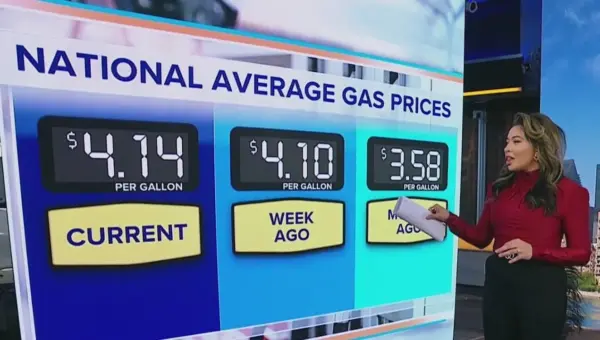
A cease-fire in the Iran conflict has led to a significant drop in oil futures and is starting to lower gas prices. However, U.S. inflation remains a concern, with consumer prices rising and real earnings falling. This comes as the economy shows signs of slowing down, impacting consumer confidence.

Iran Demands Trump’s Surrender Amidst Diplomatic Showdown
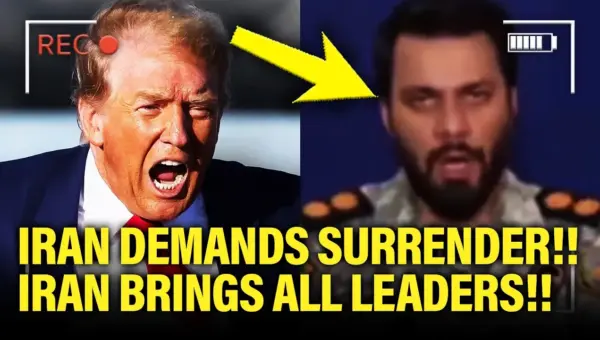
Negotiations between the U.S. and Iran in Islamabad reveal a stark contrast in delegation strength, with Iran presenting a high-level team while the U.S. sent less senior officials. Iran's assertive stance and 10-point framework, reportedly accepted as a basis for talks, suggest a potential diplomatic victory for Tehran, raising questions about U.S. seriousness and regional power dynamics.

US, Iran Meet for Peace Talks Amid Regional Tensions
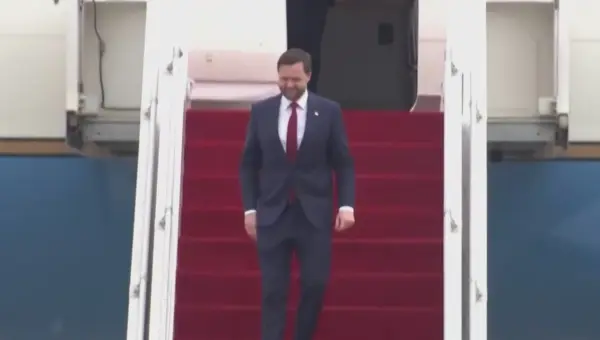
Vice President JD Vance leads U.S. talks with Iran in Pakistan, focusing on nuclear capabilities and the Strait of Hormuz. Held amid regional tensions and deep distrust, the negotiations face significant hurdles, including Iran's demands for asset release and a Lebanon cease-fire. The outcome could reshape regional stability and global energy markets.