Iran Controls Strait of Hormuz, Threatens Global Economy
Iran has effectively gained control of the Strait of Hormuz, directing ships through its territorial waters and charging fees, a move that has slowed global shipping to a trickle. This "toll booth" strategy, rather than a full blockade, is causing significant economic disruption and raising concerns about global energy supplies and insurance liabilities.

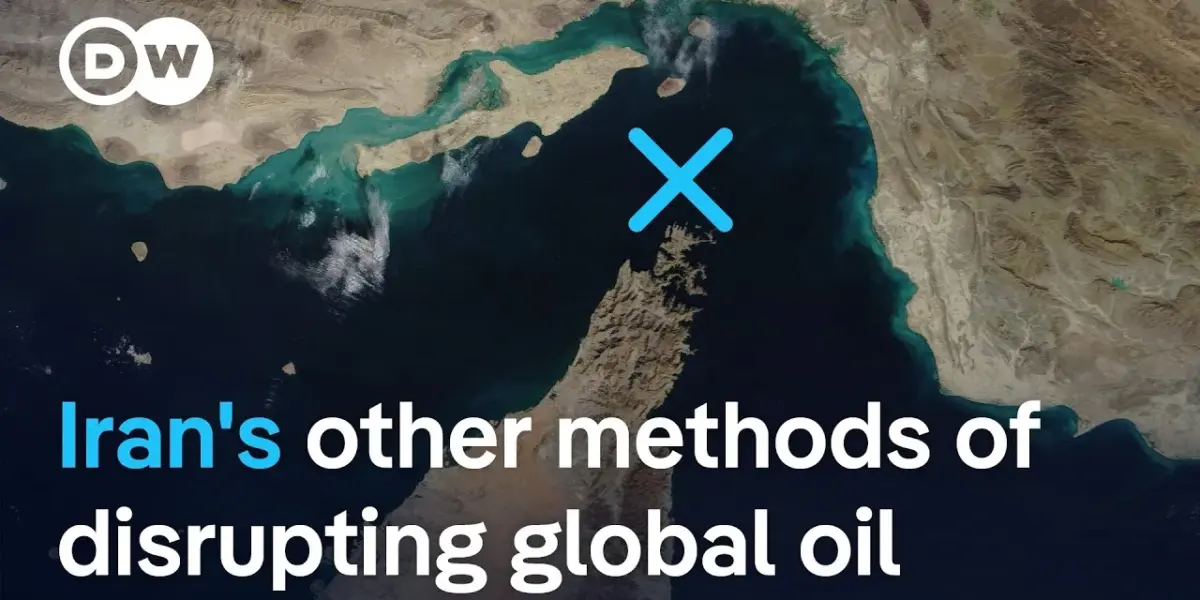
Global Shipping Crisis Looms as Iran Tightens Grip on Key Waterway
Britain has accused Iran of holding the world’s economy hostage amid growing concerns over shipping traffic in the Strait of Hormuz. More than 40 countries met Thursday to discuss ways to reopen the vital waterway, which has seen traffic slow to a trickle due to recent Iranian actions. The Strait of Hormuz, a narrow passage between Iran and Oman, is crucial for global trade, normally carrying about 20% of the world’s oil and gas supply.
Iran’s ‘Toll Booth’ Strategy Disrupts Shipping
Instead of a total blockade, Iran has implemented a strategy that effectively controls passage through the strait. Ships are being directed into Iranian territorial waters, where they reportedly pay fees to proceed. This creates a de facto toll booth, allowing Iran to selectively permit vessels and charge for passage. Professor Sal Mariano of Campbell University explains that Iran doesn’t need to fully close the strait to cause significant disruption.
“They’ve basically set up a toll booth where they’re running ships into their own territorial waters. We believe they’re charging money to go through and they’re being selective in what ships go through.”
Sal Mariano, History Professor, Campbell University
This situation is seen as one of the most serious for global shipping since the Suez Canal closure in the 1960s. The disruption is expected to impact European ports soon, as the effects of delayed shipments begin to be felt.
Insurance Woes and the ‘Dark Fleet’
The actions in the Strait of Hormuz present a complex challenge for insurance companies. Paying fees to Iran could put shipping companies in violation of international sanctions, creating a difficult dilemma. Insurers are hesitant to cover ships navigating these risky waters, and the situation mirrors challenges seen with Houthi actions in the Red Sea.
Unlike the Red Sea, there is no easy alternative route around the Persian Gulf. While some pipelines exist, they lack the capacity to replace the strait’s throughput. Historically, during the tanker wars of the 1980s, insurance rates soared to 5-10% of a vessel’s value, up from the usual under 1%. This suggests that resuming traffic through the strait will likely lead to higher costs for consumers due to increased insurance premiums or payments to Iran.
The rise of a “dark fleet”—vessels operating outside traditional shipping regulations, insurance, and registration—is also a growing concern. These ships could potentially transport oil from countries like Iran and Russia, bypassing international oversight and sanctions.
Limited Options: Military Escorts and Oman’s Role
Western nations have discussed escorting tankers and clearing mines, but these measures may not address the core issue of conditional access. Convoy escorts can only handle a fraction of the normal daily ship traffic, which is around 138 vessels. The prospect of mines being laid in the strait is a worst-case scenario, which would effectively close the waterway.
Oman, which shares territorial waters in the strait, has a role to play. While the UAE has provided significant support for ship protection, Oman controls the southern shore. Ships navigating through Omani waters, outside the main traffic lanes, might offer an alternative route. However, international law, under the UN Convention on the Law of the Sea, designates the strait as an international seaway where free passage should be guaranteed, a principle not always followed.
Iran’s Oil Revenue and Economic Impact
Despite the disruptions, Iran has reportedly doubled its oil earnings since the conflict began. This is partly due to Iran directing ships through its territorial waters and potentially collecting fees. Furthermore, Iran has been able to export its own oil, with reports of increased loadings and sales to various markets. This comes at a time when the US has, in effect, de-sanctioned Iranian oil, a move seen as an attempt to control domestic fuel prices.
However, even with increased Iranian oil exports, it is unlikely to compensate for the global supply deficit caused by the disruptions in the Strait of Hormuz. This suggests that global oil prices could still see significant spikes.
The Path Forward
The situation in the Strait of Hormuz remains tense, with Iran asserting control over a critical global chokepoint. While diplomatic efforts are underway, the effectiveness of non-military solutions is being tested. The long-term implications for global trade, energy prices, and international maritime law are significant. Future developments will likely depend on the diplomatic engagement between Iran and the international community, as well as the willingness of shipping companies and insurers to navigate the risks involved.
Source: Can US allies reopen the Strait of Hormuz without military force, or US help? | DW News (YouTube)

Related Articles

Iran’s Internal Feuds Cripple Its Fight Against US
Internal power struggles within Iran are weakening its ability to confront the US, with different factions fighting each other rather than focusing on external threats. This internal conflict offers strategic options for the US but complicates any potential negotiations.


Global Powers Unite: 40 Nations Target Iran Over Strait of Hormuz
Over 40 nations have joined forces to discuss reopening the crucial Strait of Hormuz, which Iran is accused of blocking. The international effort follows calls for global responsibility in securing the vital waterway. Talks aim to restore the flow of oil traffic without resorting to force.

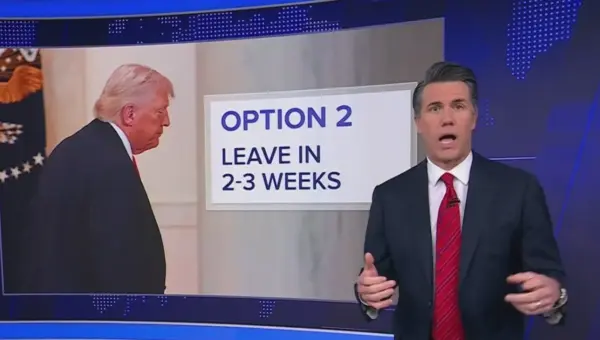
Trump Faces Grim Iran Choices: War, Exit, or Deal
President Trump faces a difficult choice regarding Iran, with limited options including escalating the conflict, withdrawing forces, or negotiating a deal. Each path carries significant risks for U.S. interests, regional stability, and global energy markets.