Iran Controls Oil Flow, Demands Cash for Passage
Iran's alleged protection racket for ships passing through the vital Strait of Hormuz has turned a recent ceasefire into a complex issue. This narrow waterway handles 20% of the world's daily oil supply. Reports indicate Iran is demanding millions of dollars per tanker for safe passage, creating global economic uncertainty. The situation highlights Iran's strategic leverage and the challenges in securing stable energy markets.

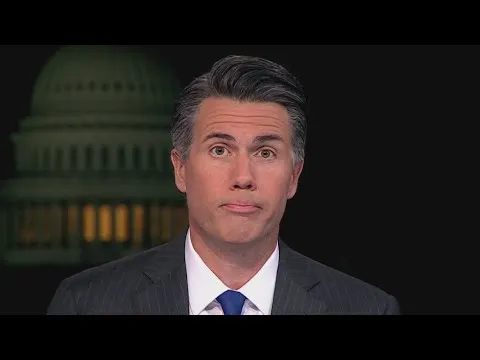
Iran Controls Oil Flow, Demands Cash for Passage
A recent ceasefire, meant to calm tensions, has become a complicated situation. The Strait of Hormuz, a vital shipping lane, is at the center of this. This narrow waterway between Iran and Dubai handles about 20% of the world’s oil each day. Iran has used its position here as a major point of influence. Reports suggest Iran is now asking for protection money from ships passing through. This could bring in billions of dollars if it continues.
The Strait of Hormuz: A Critical Chokepoint
The Strait of Hormuz is a very small sea lane, only about 20 miles wide. Iran has set up defenses to potentially close it. This gives them a powerful way to affect the global economy. It has been seen as Iran’s main bargaining chip. Recently, Iranian state media announced the Strait was open again. This followed Israeli strikes in Lebanon. The White House stated that the President was made aware of these reports. They called any disruption there completely unacceptable.
White House Response and Iranian Demands
The White House noted that what Iran says publicly might differ from private actions. They reported an increase in ship traffic in the Strait. The President expects and demands that the Strait of Hormuz be reopened. However, even if it’s technically open, passage may come at a cost. Reports indicate the Islamic Republic is running a protection racket. This system is compared to a mafia-style operation. It reportedly charges one to two million dollars per tanker for safe passage. Hundreds of ships use the Strait daily. This could generate tens of billions for Iran.
Concerns Over a Deal with Iran
There are concerns about the current situation and any potential deal with Iran. Some analysts believe the US may have overpaid for a ceasefire. They argue that Iran has not shown any good faith actions. The survival of the current Iranian regime seems to be a key outcome, according to some interpretations of the White House’s stance. The specific details of any agreement remain unclear, and the situation is still developing. A final deal will likely take longer than two weeks to finalize. It must address fundamental issues.
Key Issues for a Lasting Agreement
One major issue is the Strait of Hormuz. If Iran or any group can charge for passage, it’s a major problem. This is seen as a red line for the White House. If Iran can profit from controlling passage, they might be better off than before the conflict started. Another critical point is Iran’s uranium program. If Iran hands over all its enriched uranium, it would be a significant victory for the US. Some officials believe Iran will either give up its uranium voluntarily or it will be taken by force. The new Iranian regime must understand it cannot have nuclear weapons or the ability to build them.
Uranium Enrichment and Past Deals
However, if any amount of enriched uranium remains in Iran, it’s seen as no better than previous deals. The Obama administration’s deal with Iran, for instance, reportedly only provided the regime with 1.7 billion dollars. The current situation raises questions about the effectiveness of these agreements. The Iranian Revolutionary Guard Corps’ (IRGC) involvement in the alleged protection racket for the Strait of Hormuz is also a concern.
Iran’s Leverage in Negotiations
The US needs a deal, and Iran is aware of this. This gives Iran leverage in negotiations. It’s compared to buying a rug when the seller knows you urgently need one. You are unlikely to get a good price in such a situation. The current ceasefire has been described as a mess. The stock market has risen, and oil prices have fallen, but this could change quickly. The core issue remains Iran’s control over vital oil shipping routes and its demands for payment.
Global Impact
This situation directly impacts global energy markets. Disruptions in the Strait of Hormuz can cause oil prices to spike. This affects economies worldwide. The potential for Iran to demand payments for passage creates uncertainty for international trade. It also highlights the ongoing geopolitical struggle in the Middle East. The effectiveness of international sanctions and diplomatic efforts is being tested.
Historical Context
Control over the Strait of Hormuz has been a strategic concern for decades. Iran has historically used its geographic position to exert influence. Past tensions in the region have often involved threats to shipping lanes. Agreements and sanctions have been used to try and manage these risks. The current situation echoes past challenges in ensuring freedom of navigation and stable energy supplies.
Economic Leverage
Iran’s main economic leverage comes from its ability to disrupt oil shipments. The alleged protection racket provides a direct revenue stream. The US and its allies have used sanctions to pressure Iran. However, Iran’s control over the Strait gives it a powerful counter-leverage. The flow of oil is critical for global economic stability. Iran’s actions directly affect this flow and global energy prices.
Future Scenarios
One possible scenario is that Iran continues to demand payments for passage. This could lead to increased tensions and potential military responses. Another scenario is a successful diplomatic resolution. This would involve Iran ceasing its demands and ensuring safe passage. A third scenario involves Iran securing its nuclear program, leading to further international isolation. The likelihood of each scenario depends on the actions of Iran, the US, and other major global powers.
Source: Iran ceasefire has been a mess thus far: Vittert | On Balance (YouTube)

Related Articles

GOP Divided: Trump’s Iran Stance Sparks Midterm Fears
Democratic leaders are increasingly challenging President Trump's foreign policy, particularly his approach to Iran. Concerns over escalating tensions and potential war crimes rhetoric are fueling a split within the GOP, as Senate Democrats prepare to force a vote on war powers. The rapid opposition mirrors past conflicts, with many drawing parallels to the Iraq War.

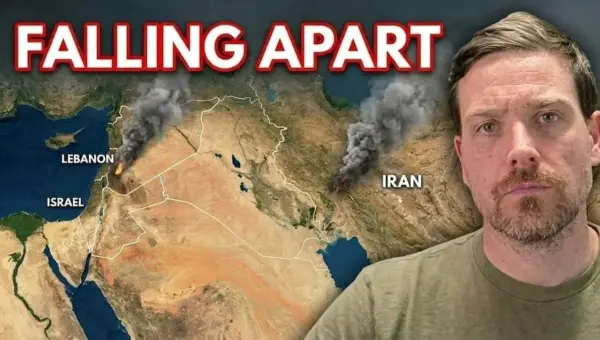
Iran Talks Crumble: Ceasefire Unravels Amidst Standoff
Talks between the U.S. and Iran are on the brink of collapse as preconditions remain unmet and fighting continues. Iran is demanding the release of blocked assets and a full ceasefire before negotiations can begin, while both sides appear to be preparing for renewed hostilities rather than de-escalation.

Ukraine Strikes Deep: Russia’s War Machine Falters
Ukraine's strategic strikes deep within Russia are crippling its war machine, leading to a 93% drop in Russian territorial gains over two months. Economic strain, infrastructure decay, and technological innovation by Ukraine are placing immense pressure on the Putin regime.