Iran Controls Hormuz Strait, US Fails to Act
Iran has established a toll system for ships passing through the Strait of Hormuz, charging up to $2 million per vessel. Despite increased U.S. military presence, Iran's IRGC benefits financially, funding its war efforts and arms procurement. This situation reveals a significant U.S. failure to manage a critical global waterway.

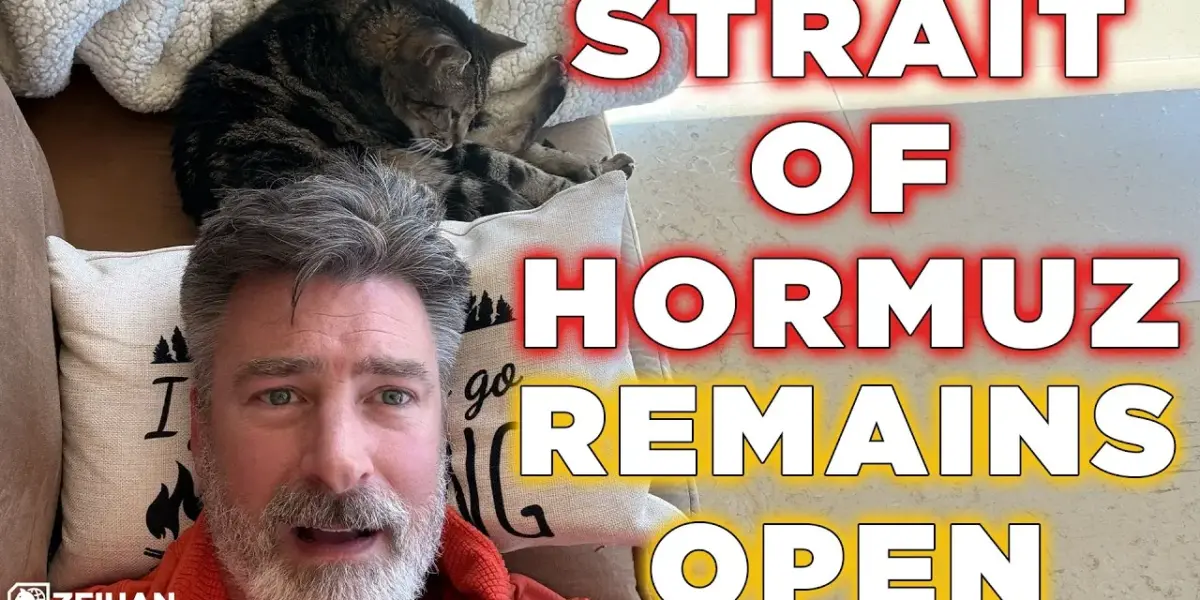
Iran Controls Hormuz Strait, US Fails to Act
Despite international insurance being canceled for ships in the Persian Gulf, Iran has effectively turned the vital Strait of Hormuz into its own toll road. Ships are still moving, but only with Iran’s permission and after paying hefty fees. This situation highlights a major failure by the United States to manage a long-standing geopolitical challenge.
Ships Pay Iran for Passage
Normally, a six-mile channel runs through the middle of the Strait of Hormuz, with separate lanes for traffic going in each direction. A two-mile gap separates these lanes. However, recent attacks have made this central channel unusable. Now, ships seeking to pass through must get clearance from Iran.
To get this approval, ships must sail north to Iran’s Imam Khomeini port. This port is located in the northern part of the Persian Gulf, near Kar Island. Here, vessels must dock, get their papers processed, and pay a fee. For a large trip, this fee can be as high as $2 million.
After paying, ships sail south along the Iranian coast. They avoid the middle channel and stick close to the shore. This is how they are able to pass through the Strait of Hormuz. The same process applies to ships entering the Gulf. They must also travel north to get their paperwork approved by Iran.
US Unprepared for Hormuz Crisis
The United States appears to have been caught completely off guard by this situation in the Strait of Hormuz. For decades, since 1979, the Strait has been a potential flashpoint. Yet, there seems to have been little preparation for a conflict involving Iran and this crucial waterway.
Iran has successfully created what can be described as a protection racket. Not only are goods still moving to and from Iranian ports, but shipments of drone parts from China are also getting through. These ships can sail into the Strait of Hormuz, reach northern Gulf ports, and then return without interference from the U.S. military.
The U.S. military presence in the region is higher than it has been in modern history. However, it is not stopping commercial traffic to and from Iran. This inaction is baffling, especially considering the potential consequences.
Iran’s Economy and IRGC Benefit
The idea that Iran is under pressure economically is misleading. The Islamic Revolutionary Guard Corps (IRGC) largely manages Iran’s economy. This situation has actually increased the IRGC’s income. They are collecting transit fees from ships and benefiting from continued smuggling.
Iran’s oil exports have increased to about 2 million barrels per day. The profits from these exports are now two to three times higher than before the recent conflicts began. The U.S. military’s inability to disrupt these flows means Iran is earning significant revenue.
Normally, military and Department of Energy analysts would report such issues up the chain of command. These reports would reach the President. However, President Trump reportedly fired many of these analysts last year. This lack of informed reporting means crucial details about the flow of goods and money are being missed.
Consequences of Inaction
The current situation has two major negative consequences. First, the IRGC is receiving more money than before. This strengthens the pillars of the Iranian government, helping it sustain its war efforts and maintain political unity.
Second, Iran can easily obtain parts for its missiles and drones, especially from China. This allows Iran to continue its current level of fighting for an extended period. Without interruption, the problem will likely persist indefinitely.
Why This Reshapes the World Order
The Strait of Hormuz is one of the world’s most critical choke points for oil transport. About 20% of the world’s oil passes through it. Iran controlling this passage, even indirectly through fees and permits, gives it significant leverage. This challenges the established international order, which relies on freedom of navigation for global trade and energy security.
The U.S. failure to counter Iran’s actions undermines its credibility as a global security guarantor. It also suggests a potential lack of strategic foresight or a willingness to engage in the difficult diplomacy required to resolve such issues. This could embolden other actors to challenge international norms and maritime security.
Future Scenarios
One possible future is that the U.S. eventually takes decisive action to reopen the Strait of Hormuz to unimpeded traffic. This could involve diplomatic pressure, increased naval presence, or even military options. However, given the current lack of preparation and political will, this seems unlikely in the short term.
Another scenario is that Iran continues to benefit from its control over passage through the Strait. This would solidify the IRGC’s financial and political power. It could also lead to increased regional instability as other countries feel threatened by Iran’s growing influence.
A third possibility is a negotiated settlement. This would likely involve concessions from multiple parties. However, the deep-seated animosity between Iran and the U.S. makes such a diplomatic breakthrough difficult. For now, Iran appears to hold the advantage, and the Strait of Hormuz remains open, but only on its terms.
Source: The Strait of Hormuz Remains Open…For Iran || Peter Zeihan (YouTube)

Related Articles
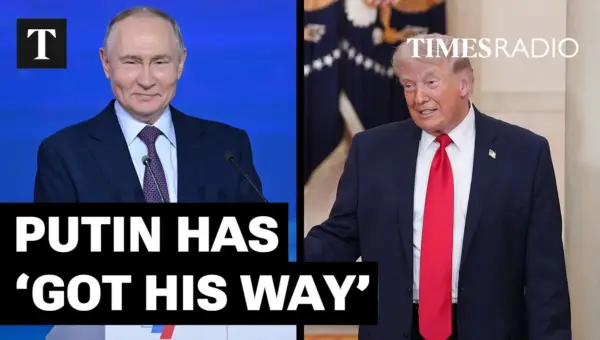
Russia Wins Big as Mideast Crisis Diverts US Focus from Ukraine
The ongoing crisis in the Middle East has inadvertently become a major win for Russia, boosting its economy through higher oil prices and creating strategic geopolitical advantages. As global attention shifts away from Ukraine, Moscow finds itself in a stronger position, both economically and internationally.
Gulf Allies Back US on Iran, Want Straits Open
Gulf nations are growing tired of Iran's aggressive actions and are backing U.S. efforts to keep the Strait of Hormuz open. Despite support from regional allies, traditional Western allies show hesitation, leading to a divided international front.


Trump’s Iran Strategy Faces Backlash, Domestic Division
President Trump's strategy towards Iran is drawing criticism for its mixed messaging and potential to backfire. While military actions are underway, domestic divisions and uncertainty about long-term goals are creating significant challenges. The situation raises questions about the effectiveness of the current approach and its impact on regional stability and global markets.