Iran Conflict: US Underestimated Iran, Humbled by Strait of Hormuz
Experts are calling the recent Iran conflict America's 'Suez Moment,' suggesting the U.S. has been humbled despite military actions. A ceasefire has been brokered, but Iran's terms for reopening the Strait of Hormuz, including charging tolls, present significant challenges for future negotiations.

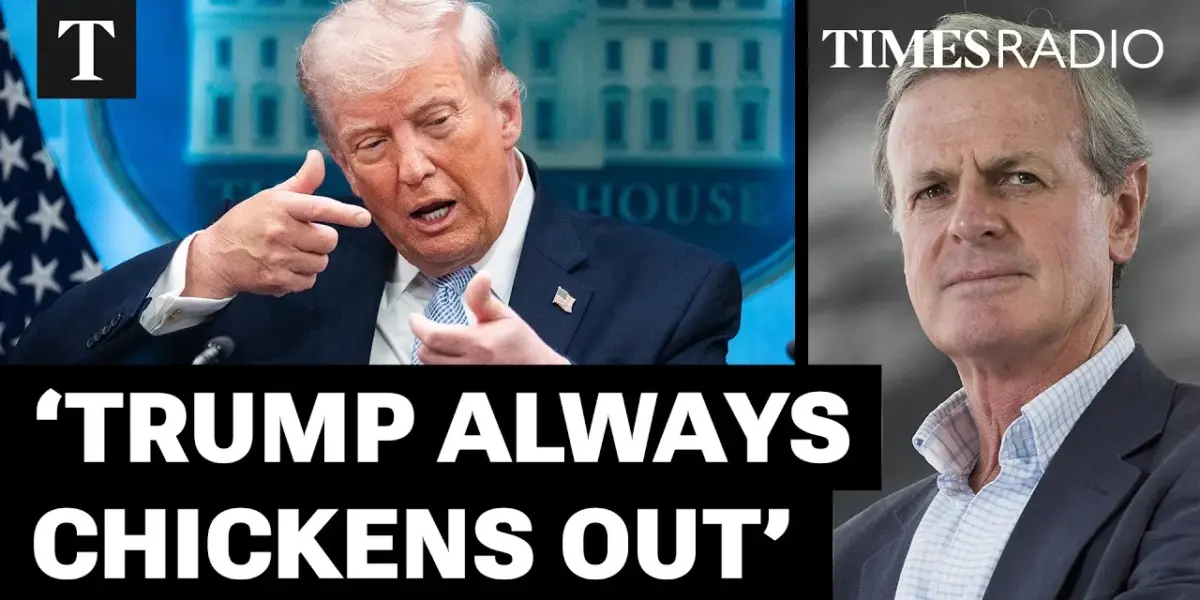
US Humbled in Iran Standoff, Experts Say
In a significant geopolitical development, the United States has been “humbled” by Iran, according to former NATO deputy supreme allied commander General Sir Richard Shirreff. The conflict, which saw Iran close the vital Strait of Hormuz, has been described as a “masterclass in futility” for American and Israeli forces. Despite military successes, including damage to Iran’s ballistic missile capabilities and navy, the core issue of controlling the Strait of Hormuz remained unresolved, leading to a diplomatic pause.
Ceasefire Deal and Iran’s Terms
A two-week ceasefire has been brokered, with the United Kingdom playing a leading role in international efforts to reopen the Strait of Hormuz. While U.S. President Donald Trump hailed the agreement as a victory for world peace, Iran is expected to charge fees for ships passing through the strait. This move is seen as a key point of contention for future talks, potentially held in Pakistan.
Details of the ceasefire remain somewhat unclear, but a 10-point plan is understood to be the basis for negotiations. A critical aspect of the pause involves the U.S. and Israel halting attacks on Iran. In return, Iran proposes reopening the Strait of Hormuz under its own military management. This would allow Iran to collect tolls, ostensibly for reconstruction, in lieu of reparations it sought from the U.S.
Regional Relief Amidst Trump’s Rhetoric
The ceasefire has brought a sense of relief to many in the region. President Trump had previously issued strong threats, suggesting a “whole civilization would die” if Iran did not agree to a ceasefire. General Shirreff described these statements as “typical Trump hyperbole” but acknowledged they were extreme, even for the president. The threat of widespread destruction, including targeting power plants and bridges, has thankfully not materialized, allowing for a pause in hostilities and the possibility of negotiations.
Assessing U.S. Military Achievements
The U.S. claims to have met its military objectives, stating that a large portion of Iran’s ballistic missile capabilities and much of its navy have been neutralized. However, experts point out that these capabilities can be rebuilt. Furthermore, Iran has demonstrated its ability to fight in an asymmetric manner, capable of inflicting significant pain through low-tech methods like closing the Strait of Hormuz and utilizing drones.
The nature of the threat from Iran is seen as having evolved. The fate of Iran’s highly enriched uranium and its potential pursuit of nuclear weapons remain uncertain. The proposed 10-point plan submitted by Iran includes demands such as a complete U.S. military withdrawal from the Middle East, the release of frozen U.S. assets, UN Security Council binding resolution, and the lifting of all sanctions. These are terms the U.S. has previously rejected, making the path forward in negotiations challenging.
NATO’s Position and Future Alliances
The conflict has also highlighted strains within NATO. General Shirreff suggested that the alliance has been significantly damaged by President Trump’s actions and rhetoric. He stated that NATO allies can no longer trust the U.S. under Trump’s leadership. The General called for NATO to become a European-led alliance, emphasizing the need for European nations to increase defense spending and take greater responsibility for their security.
This would involve a strategic defense review, increased investment in defense plans, and a recognition that sacrifices are necessary to fill the gaps left by a potentially unreliable U.S. presence. While acknowledging the financial challenges, the General expressed confidence in Europe’s ability to step up, citing the proactive stance of Eastern European countries like Poland and the Baltic states.
Analysis of Trump’s Decision-Making
General Shirreff believes President Trump underestimated Iran’s resistance and its ability to control the Strait of Hormuz. He suggests that Trump ultimately “blinked” and “backed off” by accepting Iran’s proposals as a basis for negotiation. The General characterized this as another instance of Trump “chickening out.” The real winners, in his view, are the Iranian people and the Gulf states, who were spared the threat of genocide and further escalation.
The ultimate goals for America—removing the Iranian regime and its nuclear capabilities—have not been fully achieved. The fact that America has not won means, by definition, it has lost, resulting in a significant blow to its global prestige. The negotiations, facilitated by Pakistan, offered a way out for Trump, who realized that military action to open the Strait was unlikely to succeed and that accepting Iran’s proposals was the only viable path forward.
Looking Ahead
The coming weeks will be crucial in determining whether the ceasefire holds and if meaningful progress can be made in the negotiations. The international community will be watching closely to see if Iran’s demands are met and how the U.S. responds. The future of regional stability and the effectiveness of international alliances like NATO will also be significantly shaped by the outcomes of this tense standoff.
Source: America’s Suez Moment: Trump Has Completely Underestimated Iran | General Sir Richard Shirreff (YouTube)

Related Articles
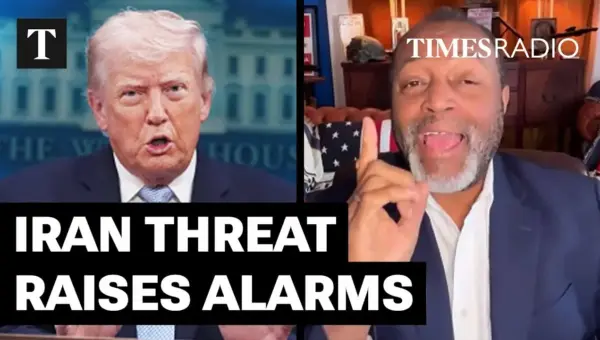
Trump’s Nuclear Rhetoric Sparks Global Outcry, Expert Warns
Malcolm Nance, a former U.S. Navy intelligence officer, has voiced alarm over former President Donald Trump's "blithe attitude" towards nuclear weapons and his threats against Iran. Nance argues this rhetoric is unprecedented and dangerous, drawing condemnation from global leaders and sparking calls for constitutional measures.

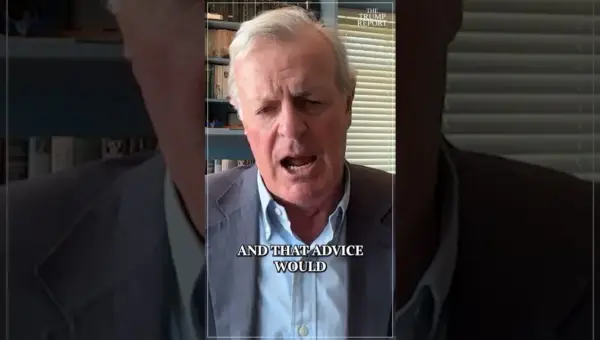
Troops Could Block Trump’s Iran Orders, Experts Warn
Experts suggest U.S. troops might legally refuse orders from a future President Trump concerning Iran, potentially creating a military dilemma. This would signal a serious breakdown between civilian and military leadership, as military advice and adherence to international law are critical.

Iran’s Power Play: Regime Stays Strong Amidst Ceasefire Talks
A recent two-week ceasefire agreement between the U.S. and Iran masks deep internal tensions within Iran's leadership. While the U.S. sees a victory, experts point to the regime's continued hardline stance and its control over crucial resources like enriched uranium. The public's desire for real change clashes with the government's focus on survival.