Iran Conflict: US Strikes Risk Wider War
US strikes on Iran's infrastructure risk devastating the civilian population and escalating regional conflict, experts warn. The strategy faces challenges in weakening the regime and may lead to unintended consequences, including Iranian retaliation via the Strait of Hormuz.

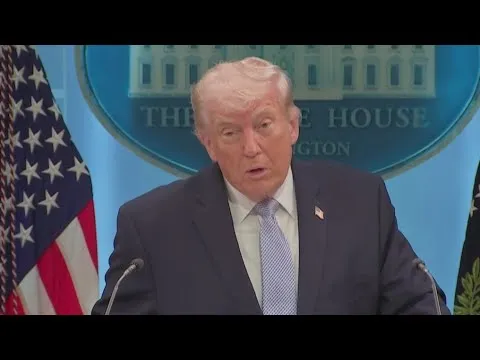
US Strikes on Iran Raise Fears of Escalation and Regional Instability
As the United States considers striking Iran’s infrastructure, a critical question emerges: what comes next? Experts warn that such actions could worsen the suffering of the Iranian people and potentially trigger wider conflict, rather than weakening the ruling regime. The strategy, as discussed by former Middle East peace negotiator Aaron David Miller and former NATO Supreme Allied Commander General Wesley Clark, faces significant challenges and risks unintended consequences.
The Limits of Military Action
General Wesley Clark explained that an air campaign, especially one aimed at infrastructure, has a limited lifespan. “As you start to run out of militarily significant targets,” he noted, “you’re looking for other things that make a difference.” This often leads to targeting “dual-use” items like bridges and transportation networks. While these can be justified as military targets, the question remains: how many such targets are there, and will hitting them achieve the desired strategic outcome?
The core problem, as highlighted by Professor Keon Box, is that pressure on the regime might not lead to the intended results. The leadership in Iran, described as zealots, may not care about infrastructure damage or the suffering of their own people. Instead, they might see it as an opportunity to rally support or to retaliate, particularly concerning the Strait of Hormuz. “They still have the storage of Hormuz,” Box stated, warning that the US cannot control it. Every military simulation, according to sources, has predicted Iran would make a move on the Strait of Hormuz.
Strategic Miscalculations and Unintended Consequences
Aaron David Miller raised concerns about the overall strategy, suggesting a potential lack of clear objectives and an exit ramp. He described the current situation as a “war of choice” that has become a “war of necessity for the international community and the global economy.” The idea of cutting deals with individual countries for passage through the Strait of Hormuz, rather than keeping it open, suggests a transactional approach that might not serve long-term stability.
Miller also pointed out that after six weeks of conflict, there is “absolutely no evidence that they are prepared, no matter what kind of military pressure the United States brings to bear, to become compliant.” He believes the United States has witnessed the dominance of hard power, embodied by the Islamic Revolutionary Guard Corps (IRGC), and that the regime’s command and control, while possibly fragmented, still functions. The critical question is whether the president was fully briefed on Iran’s potential responses, such as using geography as a weapon.
Humanitarian Impact and Iranian Perspective
Professor Keon Box emphasized the human cost of striking infrastructure. “If you go bombing infrastructure, you’re going to hurt the rest of the population every bit as much as the regime itself.” For Iranians hoping for better days, damage to power grids, water systems, and transportation networks would devastate their quality of life. Box shared insights from conversations with Iranians, noting three concerning takeaways from President Trump’s rhetoric:
- Lack of Good Faith Negotiations: Many Iranians do not believe the leadership is negotiating in good faith, especially if the goal is capitulation.
- Threat of Bombing: The threat to bomb the country “back to the Stone Age” is heard not as a threat to the regime, but to the people who rely on the infrastructure built over decades. Iran boasts one of the best infrastructures in the Middle East, developed by a well-trained bureaucracy.
- Plea to Open Hormuz: The perceived plea for Iran to open the Strait of Hormuz suggests to Iranians that the US might eventually leave, leaving them with a more empowered regime and damaged infrastructure, making life less livable.
Historical Context and Future Scenarios
The current tensions echo past conflicts and diplomatic standoffs in the Middle East. The US strategy appears to be focused on maximum pressure, a tactic that has yielded mixed results in the past. The potential for ground forces to be deployed is a scenario that would not surprise some analysts, indicating a potential escalation beyond air strikes.
The situation is complex, with competing interests at play. The US seeks to curb Iran’s influence and nuclear ambitions, while Iran seeks to maintain its regime and regional standing. The international community is concerned about the economic impact, particularly on energy markets and global trade, which could be severely disrupted by conflict in the Strait of Hormuz, a vital chokepoint for oil transport.
Global Impact: Why This Reshapes the World Order
A direct conflict involving Iran, especially one that targets its infrastructure, carries profound global implications. It could lead to a significant spike in oil prices, destabilizing the global economy. Regional allies and adversaries would be forced to take sides, potentially igniting wider proxy wars or direct confrontations. The humanitarian crisis within Iran could worsen, leading to mass displacement and further regional instability. The current approach risks alienating the Iranian population, potentially strengthening hardliners rather than fostering change, and could leave the region in a more volatile state than before.
The path forward remains uncertain, but the current trajectory suggests a high-stakes gamble with potentially devastating consequences for Iran, the Middle East, and the global order.
Source: What comes next if US focuses strikes on Iran's infrastructure? | CUOMO (YouTube)

Related Articles
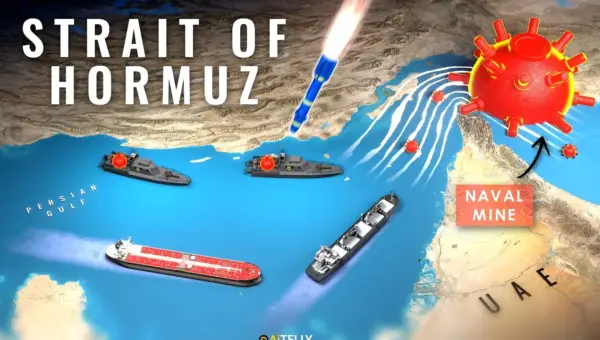
US Strikes Iran’s ‘Mosquito Fleet’ to Secure Oil Lanes
Iran's use of naval mines and fast attack boats in the Strait of Hormuz prompted a decisive US response. The US employed a preemptive strategy, striking mine-laying ships and storage facilities with precision-guided missiles and bombs.
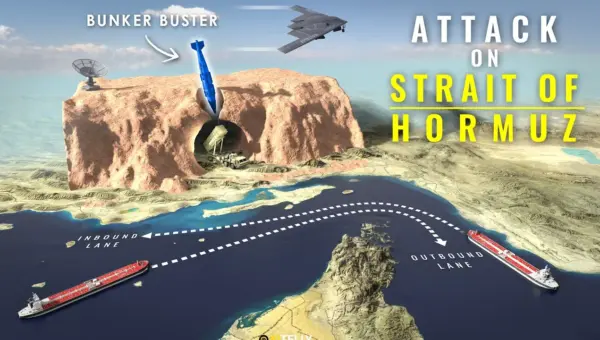
Iran’s Strait of Hormuz Trap: How the US Fights Back
Iran's strategy to control the Strait of Hormuz involves using islands as bases for anti-ship missiles and launching swarm attacks with small boats. The US counters with advanced defense systems, surveillance drones, and powerful bunker-buster bombs, highlighting the ongoing tension in this vital global shipping lane.
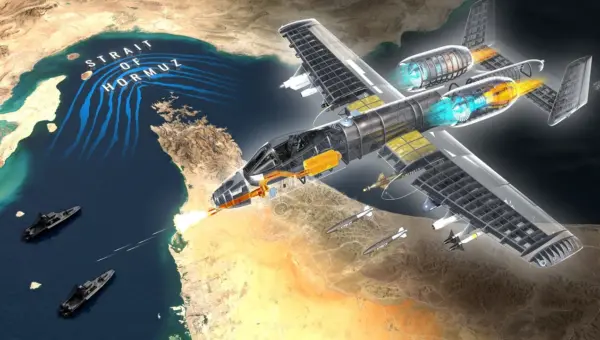
A-10 Warthog Defies Retirement in Hormuz Strait
The U.S. Air Force's plan to retire the A-10 Thunderbolt faces a challenge in the Strait of Hormuz. Its unique design, built for low-and-slow flight and extreme durability, makes it essential for countering small boats and drones in the narrow waterway. The Warthog's ruggedness and specialized firepower prove its continued value.