Iran Conflict: US Strategy Faces Fierce Debate
A heated debate on CNN questioned the true effectiveness of recent US military actions against Iran. Critics argue that despite striking thousands of targets, key threats remain, and objectives have shifted, leading to concerns about a perpetual conflict rather than clear victory.


Debate Erupts Over Iran Strategy’s True Impact
A recent CNN discussion revealed deep disagreements about the effectiveness and long-term goals of recent US military actions concerning Iran. While some argue these actions have achieved significant military victories, others point to a lack of clear objectives and potential for ongoing conflict. This debate highlights concerns about whether the US is truly securing its interests or simply engaging in a costly, repetitive cycle.
Questions Swirl Around Iran’s Nuclear Ambitions
A major point of contention is Iran’s nuclear program. Officials have stated that efforts to rebuild enrichment capabilities have been halted, with facilities being sealed. However, conflicting information has surfaced, leading to questions about the truthfulness of these statements. The core issue remains: has Iran been stopped from developing nuclear weapons, or does the enriched uranium still pose a threat?
One perspective suggests that the enriched uranium is still in Iran and that no concrete steps have been taken to remove it. If the goal is to prevent Iran from obtaining nuclear weapons, the lack of verification is deeply concerning. This uncertainty leads to the possibility of a continuous military strategy, sometimes called a “military treadmill,” where strikes might be needed repeatedly to manage the threat.
The idea that he was reassuring Americans that this won’t be a forever war was contradicted by what we were just talking about. They’re setting up perpetual oversight in the air so they can perpetually see what Iran is doing. And there’s a chance we might have to perpetually strike them over and over.
Military Gains Questioned Amidst Ongoing Threats
The discussion also challenged the idea of a decisive victory. While thousands of targets have reportedly been struck, including parts of Iran’s missile and drone industrial base, key threats remain. Critics point out that Iran’s air force and navy, described as ancient and largely gifted decades ago, were not significant threats to the US. Destroying these older systems, they argue, does not represent a meaningful strategic win.
Furthermore, Iran’s ability to disrupt shipping in the Strait of Hormuz, a critical global oil route, continues to be a problem. This capability, even with older equipment, allows Iran to generate revenue. The debate questions whether the US actions have truly defanged Iran’s ability to fund regional proxies or control vital waterways.
Shifting Objectives and Public Perception
The conversation touched on how the stated goals of the operation have appeared to change over time. Initial objectives, such as regime change, seemed to shift towards addressing weapons of mass destruction, and then to managing the enriched uranium threat. This perceived inconsistency raises concerns about a lack of clear strategy and a “lowering the threshold for what victory is considered as.”
Public opinion also emerged as a significant factor. Polling suggests that a majority of Americans do not feel financially benefited by the conflict and want a swift end to it. The rising costs, potentially seen in grocery bills and gas prices, are making the war unpopular at home, regardless of battlefield successes. This disconnect between military actions and public sentiment is a key challenge.
Historical Context: NATO and Alliances
The debate also briefly touched upon the role of alliances, particularly NATO, and historical US foreign policy decisions. References were made to past US foreign policy, including discussions around NATO’s scope and historical interventions. The effectiveness and necessity of certain alliances and the consultation process with allies before military actions were questioned.
One viewpoint suggested that while Iran’s ballistic missile capabilities pose a threat to Europe, European allies were not adequately consulted before certain US actions. This raises questions about mutual trust and coordinated strategy within alliances when addressing shared security concerns.
Future Outlook: Perpetual Monitoring or Diplomacy?
The discussion presented two main paths forward: either a long-term strategy of perpetual surveillance and potential strikes if Iran moves towards nuclear weapons, or a diplomatic solution that includes removing the nuclear material. The former risks a continuous, costly engagement, while the latter, though not explicitly detailed in the conversation, is presented as an alternative.
The idea of a “mow the lawn” scenario, where the US would continuously monitor and be ready to strike, was met with skepticism regarding its sustainability and cost. The lack of a clear, achievable endgame leaves many questioning the true benefit versus the ongoing risks and expenses.
Why This Matters
This debate is crucial because it questions the effectiveness of US foreign policy and military engagement. If significant resources are being expended without achieving clear, verifiable goals, it raises serious concerns about national security and taxpayer money. The potential for ongoing conflict, coupled with public opposition and economic impact, demands a clear strategy and transparent communication from leadership.
Understanding the differing viewpoints on Iran’s capabilities, the success of military actions, and the long-term implications is vital for informed public discourse and future decision-making in foreign policy. The core question remains: is the current approach leading to a more secure future, or is it trapping the US in an endless cycle of engagement with unclear benefits?
Source: He Came for Me on CNN… It Backfired Badly (YouTube)

Related Articles


Iran Downs US Jet, Escalating Mideast Tensions
Iran has reportedly shot down a U.S. fighter jet, prompting immediate search and rescue operations for the downed airmen. This incident significantly escalates regional tensions and could alter ongoing U.S. military plans against Iran. The event highlights the volatile nature of the Middle East and the potential for miscalculation.


Trump Shakes Up Top Ranks Amid Iran Uncertainty
President Trump has initiated a series of high-profile firings, including the Attorney General and the Army's Chief of Staff, sparking uncertainty in Washington. These changes occur as the administration's strategy regarding Iran remains unclear. Meanwhile, Vice President JD Vance has been appointed "Fraud Czar," taking the lead on a new anti-fraud initiative.

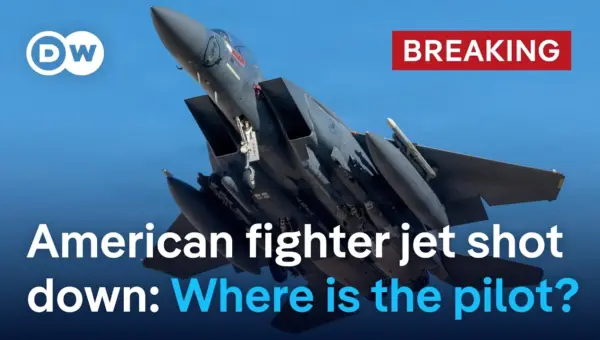
US Jet Downed in Iran: Crew Fate Unknown, War Unpopular
An American F-15 fighter jet has been shot down over Iran, with U.S. officials confirming the loss but offering few details on the crew's fate. The incident occurs amid widespread public opposition to the war and raises questions about Iran's air defense capabilities.