Iran Conflict: US Policy Lacks Clarity, Fuels Global Unease
Confusing U.S. policy on Iran creates global unease. Shifting goals, unclear objectives, and conflicting messages leave allies and adversaries uncertain. This lack of clarity impacts energy markets and international relations.

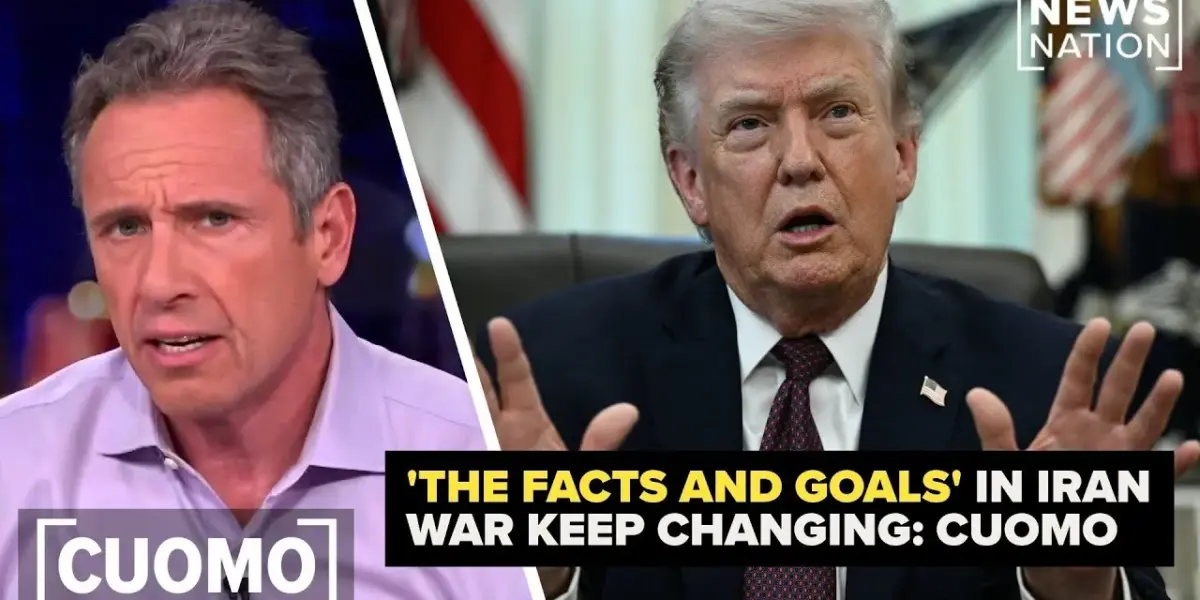
US Policy on Iran Creates Global Uncertainty
The United States’ approach to Iran is causing confusion both at home and abroad. President Trump has spoken about goals in Iran, but the message is unclear. This leaves many wondering what will happen next in the region and even in the United States. Many people want to see the current Iranian regime removed. They also want the Iranian people to be free and safe. The real problem is not wanting this outcome, but trusting that it will happen as planned.
Shifting Goals and Conflicting Messages
President Trump recently spoke about lowering gas prices. He suggested this would happen if the U.S. left Iran. He also talked about changing the regime. He said the U.S. had already removed one regime and was now dealing with a new, more reasonable one. However, he also said that regime change was not his goal and that he only had one objective. He mentioned finishing a job in perhaps two weeks.
Shortly after these remarks, an important presidential address about Iran was announced. This sudden announcement suggests something changed. It feels like important information is being hidden, making the situation hard to understand. Some suggest looking at betting markets to guess what might happen, implying that even people in the administration might not be sure.
Questioning the Narrative on Iran
While most people agree the current Iranian regime should go, that doesn’t mean the U.S. actions are right. Watching the administration try to explain its actions for weeks has led to a different idea. Perhaps the U.S. is not really at war with Iran after all. The President and his advisors have called it a war. But this happened even though Congress had no say, which might be against the law. The goals keep changing, and there seems to be a strong desire to leave without fully understanding why the U.S. got involved.
The stated goal was to prevent Iran from getting nuclear weapons. But how can anyone be sure they won’t get a weapon? We were told before that Iran’s nuclear abilities were destroyed. Yet, they were said to be stronger than ever. This makes it hard to believe current promises.
Is it a War or Something Else?
What the U.S. is doing in Iran seems to be less than a full war. There have been attacks on sites, supposedly weakening Iran’s capabilities and leadership. But these actions are described as ‘alleged.’ The word ‘alleged’ is used often because the public has been misled before. The goals keep changing. The President said the regime was gone weeks ago, but the situation has become more intense. He also claimed a new, reasonable group was in charge and ready to make a deal. However, the person supposedly negotiating denied any talks were happening.
Public Opinion and Misinformation
A recent poll from Harvard is being used to suggest that Americans believe the U.S. is winning in Iran. This poll shows that many Americans, including Democrats, think the U.S. is winning. This is presented as proof that the truth is winning over a false story. But the real surprise is that the Iranian regime is still in power. Iran doesn’t even have a strong air force or air defenses anymore.
When people are asked if they approve of the strikes in Iran, less than a third say yes. The reason is that no one knows why the U.S. is involved or why the goals keep changing. It’s not that the enemy knows what’s happening; it’s that the U.S. doesn’t seem to know either. Some on the political right are spreading polls to gain an advantage, not because it’s about right and wrong.
Economic Confusion and Future Scenarios
A new and confusing idea is that oil and gas prices will become cheaper. This is supposedly because the U.S. will just leave, and the Strait of Hormuz will reopen. This doesn’t make much sense. President Trump had previously threatened to crush Iran’s civilian infrastructure if they didn’t open the Strait, a threat some consider a war crime. When he asked allies to help open the Strait, many refused. Now, some countries won’t even let U.S. planes land.
Back home, people are struggling with costs. The administration might pay for the war by cutting healthcare for those who need it most. This is unlikely to be popular. It’s important for leaders to be right, but hope alone is not a plan. There’s no good reason to believe the current strategy will work. Critical thinking is needed more than ever.
The Need for Independent Analysis
This situation highlights the need for independent analysis. People need to question the messaging from all sides. Common sense is often ignored in political debates. Being independent means not blindly following one political party. Blind loyalty has led to problems in the past. Being independent thinkers is the best way to find solutions. We need to discuss the real situation, not just what the administration or the opposition wants us to hear.
Global Impact
The unclear and shifting U.S. policy towards Iran creates instability. It affects global energy markets, particularly oil prices, due to concerns over the Strait of Hormuz. Allies are unsure of U.S. commitments, potentially weakening international cooperation. The lack of a clear strategy can embolden adversaries and create dangerous miscalculations. This uncertainty ripples through international relations, impacting trade, security alliances, and diplomatic efforts in the Middle East and beyond.
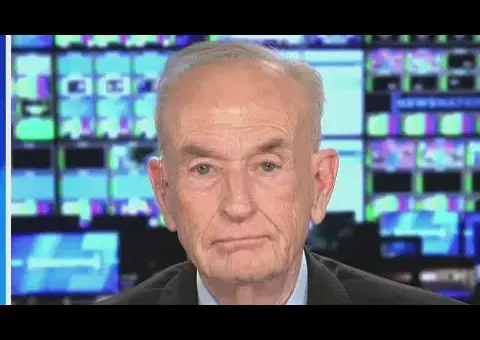
Source: Trump’s confused nature, messaging creating unknowns with Iran war: Cuomo | CUOMO (YouTube)

Related Articles

Markets Rally on War End Hopes, But Risks Remain
Global markets surged on hopes of a swift end to the Iran conflict, but analysts warn that elevated oil prices and ongoing geopolitical risks could still significantly impact economic growth. The true economic fallout may not yet be fully reflected in stock prices.

US Faces Iran War Test Amid Shifting Goals
President Trump faces a critical juncture in the war with Iran, with shifting objectives and domestic pressures influencing his strategy. Iran's control over the Strait of Hormuz presents a significant challenge, testing American resolve and global leadership.
NATO Crumbles as Allies Shun U.S. Over Oil and Arctic Defense
NATO allies are showing signs of fracture, prioritizing national interests over collective security, impacting global oil routes and Arctic defense. European nations are urged to secure their own energy, while Spain's refusal of U.S. air power highlights growing disunity. President Trump's upcoming address will likely focus on these issues and domestic economic concerns.