Iran Conflict: US Made Costly Mistakes, Expert Warns
War game expert Finley Grimble argues the US made significant strategic errors in its approach to Iran, underestimating its retaliation capabilities and the difficulty of controlling the Strait of Hormuz. He suggests declaring victory and withdrawing is the best path forward, rather than getting bogged down in a costly conflict.

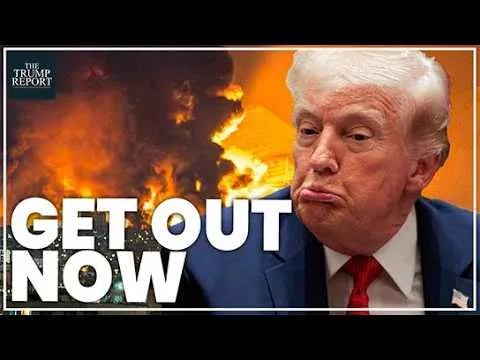
Expert Warns of Irreversible Mistakes in Iran Strategy
The United States’ approach to Iran has been marked by strategic missteps, according to war game expert Finley Grimble. Grimble, CEO of Knightsbridge Strategy Group and former advisor to the UK government, believes that key assumptions about controlling the Strait of Hormuz and Iran’s potential reactions were deeply flawed. This analysis suggests that the US may have underestimated Iran’s long-term strategy and its ability to disrupt global oil flow.
Misjudging Iran’s Intentions and Capabilities
Grimble argues that the idea of completely preventing disruption in the Strait of Hormuz is highly unlikely, if not impossible. He finds it implausible that serious military war games would suggest otherwise. This means that any assumption by Central Command that they could hold the straits while pursuing actions in Iran was likely a dangerous miscalculation.
The expert also questions Vice President Mike Pence’s claim about Iran using “nuclear suicide vests.” Grimble states he is unaware of any intelligence supporting this and finds the timing of potential strikes odd. He contrasts this with Israel’s “begging doctrine,” which focuses on covert means to prevent Iran from obtaining nuclear weapons.
The Inevitability of Retaliation
Grimble emphasizes that Iran’s retaliation in the Strait of Hormuz was not a shock but rather an expected outcome. He points out that Iran has viewed the strait as vital since the late 1970s. War games consistently show that preventing disruption there is extremely difficult. Therefore, military advisors would have likely warned leadership about this possibility.
Grimble’s firm, Knightsbridge Strategy Group, conducts war games on Iranian scenarios monthly. He notes that even less capable groups, like the Iran-backed Houthis in the Red Sea, have caused significant disruption. For Iran, facing existential threats, actions in the Strait of Hormuz are seen as a crucial response.
Asymmetrical Tactics in War Games
When war gaming Iran, Grimble consistently sees the use of asymmetrical tactics, particularly swarm tactics in the Strait of Hormuz. As a secondary power, Iran’s strategy would focus on causing economic havoc to pressure adversaries. He states he has never participated in a war game where Iran didn’t resort to these methods.
Grimble suggests that President Trump and his inner circle may have believed that a strong military response would force Iran to back down and accept a deal. However, Iran views the US and Israel as existential threats, seeking to contain its regional influence. This deep-seated fear drives their strategic decisions.
Holding the Strait: A Difficult Task
Grimble believes that while not impossible, forcing and holding the Strait of Hormuz would be an immense task. He advises against it, citing the vast resources required. This would divert attention from more critical strategic concerns, such as China.
Declaring Victory and Moving On
Grimble’s advice to the US administration is to declare victory and withdraw. He argues that the operations have already significantly weakened Iran’s conventional military threat. This would allow the US to claim success and refocus on other priorities. He uses the examples of Iraq and Afghanistan to show the difficulty of regime change through military force.
He suggests that regime change is better achieved through covert means, such as influencing politicians or long-term information campaigns, rather than direct military attacks. He draws parallels to historical British covert operations across the empire.
NATO’s Limited Role
Grimble doubts NATO’s ability or willingness to play a significant role in the Strait of Hormuz. European allies are primarily focused on the conflict in Ukraine and the threat from Russia. They view the situation in the Middle East as a distraction from these core concerns.
Iran’s Missile Capabilities
Regarding Iran’s missile capabilities, Grimble confirms that they possess intercontinental ballistic missiles capable of reaching London. However, he believes the NATO air defense system would likely intercept such missiles with high probability. While Iran has the range, a successful military strike on a capital like London is considered highly unlikely.
Economic Pressures and Long-Term Strategy
Grimble identifies oil prices above $150 per barrel as a major concern, leading to significant political and diplomatic pressure. However, he notes that the US is willing to absorb economic shocks for strategic objectives. Long-term advisors focus on decades-long goals, such as regional dominance, and may accept oil price volatility to achieve them.
He believes the US and Israeli strategy of gradually eroding Iran’s influence and proxies in the region was working well. The problem with Iran, he argues, is not just its conventional or nuclear capabilities, but its financing of terror and proxies. This presents a difficult challenge, as disrupting Iran’s energy sales would cause a global crisis.
A Strategic Mistake?
Grimble considers the recent US operations in Iran a mistake. He acknowledges a possible rationale based on intelligence suggesting impending regime change, but finds this scenario far-fetched. He compares the situation to Napoleon getting bogged down in Spain, diverting focus from larger European powers.
No Trap, Just an Off-Ramp
Despite the military buildup, Grimble insists the US is not trapped. He reiterates that declaring victory is the easiest option. Iran would likely welcome this, reopening the straits and signaling its own success in resisting external pressure. This would allow President Trump to claim a victory, even if some objectives remain unmet.
He believes that effective communication can frame the operation as undermining Iran’s threat capability and restoring peace, convincing a significant portion of the public. This would allow the US to refocus on critical issues like China.
“There’s not many war games that I’m aware of in a serious military um entity that do not acknowledge that the complete prevention of disruption in the Straits of Hammoose is is highly implausible if not impossible.”
Source: Trump's Iran retaliation ‘shock’ exposed | Wargame expert analyses irreversible mistakes (YouTube)

Related Articles
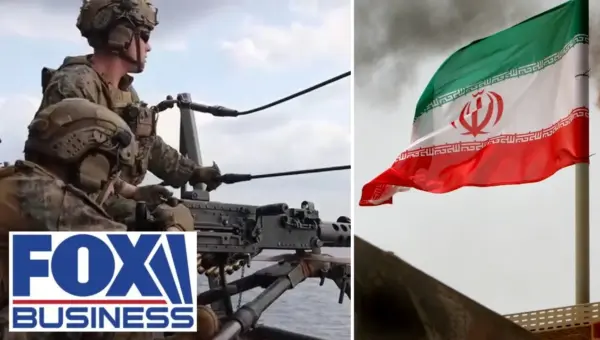
Pentagon Weighs 10,000 Troops for Iran Showdown
The Pentagon is reportedly weighing a significant troop increase of 10,000 soldiers to the Middle East, potentially escalating tensions with Iran. This move comes amid reports of U.S. precision strikes and interceptions of Iranian missiles by allies, raising concerns about regional stability and global oil supplies.


Asia Faces Oil Shortages as Middle East War Disrupts Global Energy
A war in the Middle East has triggered widespread oil and gas shortages across Asia, leading to protests, rationing, and long fuel lines. The crisis, described as the largest supply disruption in history, is forcing governments to take drastic measures and is creating economic strain throughout the continent. Analysts are closely watching the Strait of Hormuz and diplomatic efforts to ease the energy emergency.

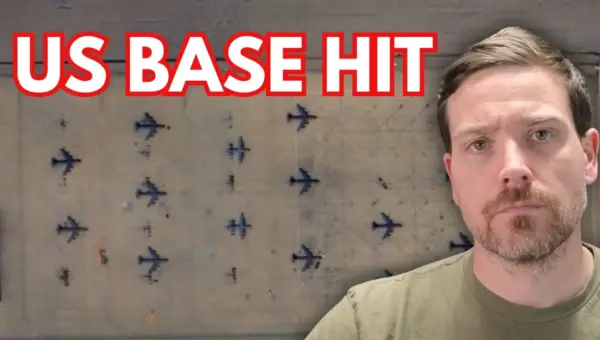
Iran Strikes US Base: Are We Learning from Mistakes?
A recent Iranian drone and missile attack wounded American service members and damaged aircraft in Saudi Arabia. This incident highlights concerns about military preparedness and the failure to learn from past mistakes, as exposed aircraft remain vulnerable targets. The ongoing conflict involves complex regional dynamics, including Iran's missile capabilities and the potential involvement of groups like the Houthis, raising questions about future stability.